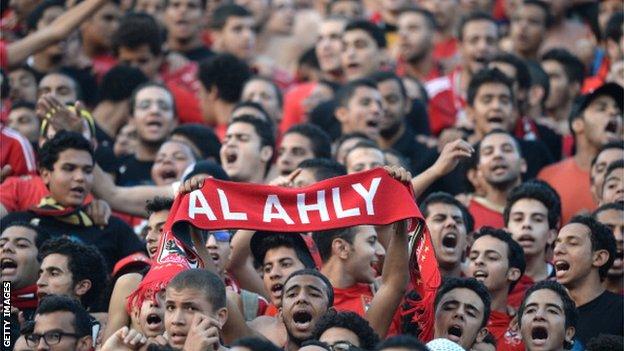
Egyptian media personality Ahmed Shobir criticized the behavior of Al-Ahly fans towards coach Emad Nassar, warning that such actions could adversely affect the team's trajectory and the future of its players. This statement was made during his radio program, where Shobir stressed the necessity of supporting coaches in tough times rather than putting pressure on them.
Shobir, who is regarded as one of the prominent figures in Egyptian football, pointed out that fans should be aware of the impact of their actions on the atmosphere within the team. He noted that negative chants could lead to cutting off livelihoods, referring to the economic and social repercussions that may arise from instability within the team.
Details of the Incident
Shobir's remarks came at a critical time when Al-Ahly is facing significant pressure following a series of unsatisfactory results. Recently, there has been widespread criticism from fans towards Emad Nassar, who took over the team's leadership under challenging circumstances. Shobir urged fans to exercise patience and support the coach, indicating that sudden changes in the coaching staff may not be the optimal solution.
He also affirmed that Emad Nassar possesses the necessary experience to lead the team and that he requires time to rebuild the squad and achieve the desired results. Shobir emphasized that fans need to understand that every coach requires a period to adapt to the team's conditions and to develop performance.
Background & Context
Historically, Egyptian football has faced numerous challenges that coaches have had to confront, especially at major clubs like Al-Ahly. Often, teams are subjected to immense pressure from fans, leading to hasty and ill-considered decisions. Emad Nassar, who previously played for Al-Ahly, is well aware of the nature of the pressures that coaches face at this prestigious club.
It is noteworthy that Al-Ahly is considered one of the most successful clubs in the history of Egyptian and Arab football, having achieved numerous domestic and continental championships. Nevertheless, the pressures faced by coaches and players remain an integral part of the football culture in Egypt.
Impact & Consequences
The negative behavior of fans can directly affect the team's performance, as it may lead to a loss of confidence between players and the coach. Additionally, psychological pressures can impact technical performance, complicating the situation further. Shobir warned that the continuation of such behaviors could exacerbate conditions within the team, potentially reflecting negatively on results.
Moreover, the economic repercussions cannot be overlooked, as instability within the team may lead to a decline in revenues from matches and sponsorships. Therefore, fan support for the coach and players is vital for maintaining team stability.
Regional Significance
Football in the Arab world is more than just a sport; it plays a crucial role in shaping national identity and culture. Consequently, events occurring at major clubs like Al-Ahly resonate with fans across the region. Support from fans for coaches and players can positively influence the overall atmosphere in Arab football.
In conclusion, fans must remember that football is a team game that requires cooperation and support from everyone. Negative behaviors can lead to counterproductive results, while positive support can significantly impact the team's journey.