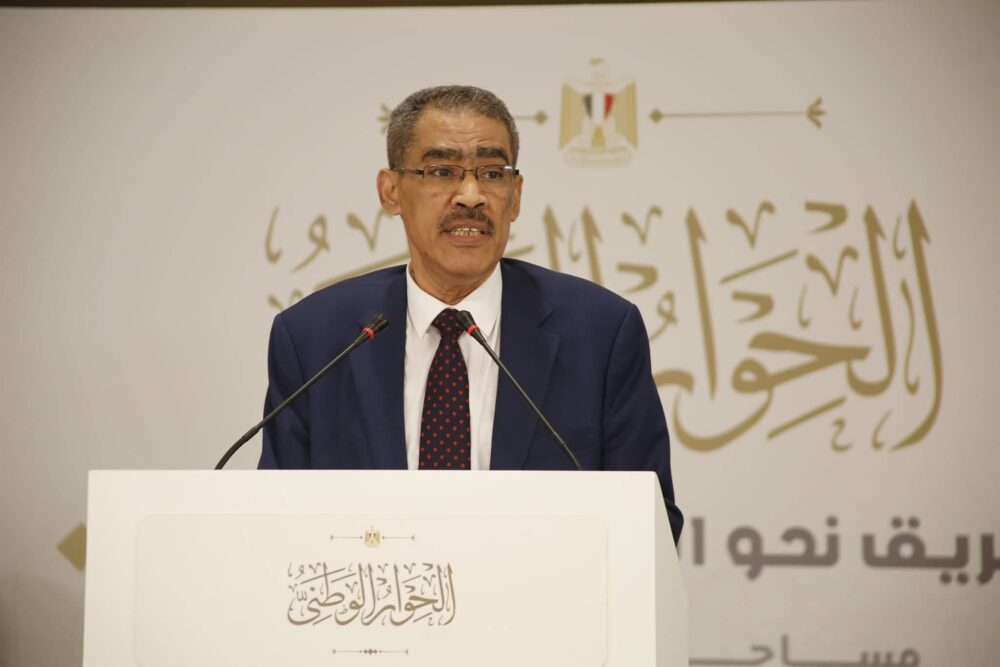
In a controversial statement, Egyptian media figure Mohamed Ali Kheir criticized remarks made by Diaa Rashwan, the head of the National Press Authority, who compared Egyptian bread to the French baguette. Kheir emphasized that this comparison reflects a significant loss in cultural understanding and the essence of Egyptian food identity.
Rashwan's comments sparked widespread debate among social media users, with many arguing that the comparison lacks accuracy and shows a lack of appreciation for the Egyptian culinary heritage. In this context, Kheir stated, "You have lost a lot," referring to the importance of Egyptian bread as a part of the cultural identity.
Details of the Event
Rashwan's remarks came during a cultural event, where he noted that while Egyptian bread is part of the Egyptian heritage, it cannot be compared to the French baguette in terms of quality and taste. This statement provoked the ire of many critics, who believe that such comparisons contribute to the marginalization of local products.
Mohamed Ali Kheir, known for his bold opinions, did not hesitate to respond to Rashwan, pointing out that Egyptian bread is not just food but a symbol of Egyptian culture and history. He added that such statements could undermine efforts to promote local food identity.
Background & Context
Historically, Egyptian bread has been an integral part of the Egyptian table, used in many traditional dishes. With the increasing openness to Western cultures, some voices have begun to compare local and foreign foods, sparking debates about cultural identity.
In recent years, Egypt has seen a growing interest in food heritage, with many events organized to promote local foods. However, challenges remain in this trend, especially with the influence of globalization on dietary habits.
Impact & Consequences
Statements like those made by Rashwan can lead to a division between supporters of traditional dietary habits and advocates for openness to other cultures. Additionally, these remarks may impact government efforts to promote food tourism, which is considered an important source of revenue.
Moreover, these discussions could increase awareness of the importance of preserving food heritage, potentially encouraging support for local products and farmers. At the same time, there should be efforts to educate the public about the importance of dietary diversity.
Regional Significance
Food identity is an important topic in many Arab countries, where each nation seeks to preserve its cultural heritage. Discussions about local and foreign foods are not limited to Egypt but extend to other countries in the region, where global pressures on traditional dietary habits are increasing.
In this context, Rashwan's statements can be seen as a call to reflect on how to maintain food identity amid the rapid changes the world is experiencing. Promoting pride in local products may help address the challenges facing food culture.
In conclusion, the debate surrounding food identity and the significance of Egyptian bread reflects deeper issues related to culture and heritage. It requires a balance between openness to other cultures and the preservation of local identity, which should be the focus of future discussions.