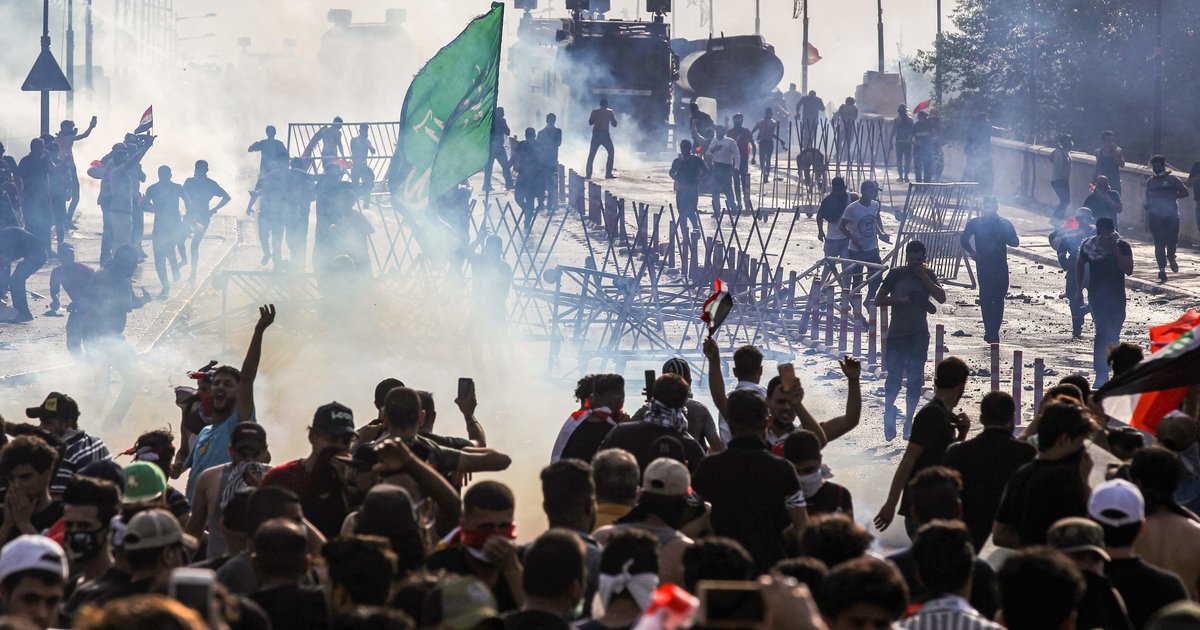
The elite class in the Arab world is facing sharp criticism, as it is perceived as stagnant and unable to meet the needs of communities. Amid escalating economic and social crises, questions arise about the role of this elite in improving or exacerbating conditions.
Voices calling for radical reforms are growing louder, with corruption and mismanagement being the most prominent issues that stir public discontent. While citizens face daily challenges, the elite seem detached from their reality, widening the gap between classes.
Details of the Events
In recent years, many Arab countries have witnessed popular protests against corruption and mismanagement, with citizens taking to the streets demanding change. These protests have shown that the elite class is no longer able to meet the people's needs, but has instead become a symbol of corruption and exploitation.
This criticism is particularly evident in countries suffering from severe economic crises, where poverty and unemployment are on the rise. At the same time, the elite continue to benefit from wealth and resources, causing widespread resentment among citizens.
Background & Context
Historically, the elite class in the Arab world has enjoyed significant privileges, contributing to the spread of corruption and nepotism. Over time, these practices have eroded trust between citizens and the elite, leading many to feel marginalized.
Calls for political and economic reforms are increasing, as citizens demand more transparency and accountability. Studies have shown that corruption costs Arab countries billions of dollars annually, negatively impacting sustainable development.
Impact & Consequences
The criticism directed at the elite class affects social and political stability in the region. As discontent grows, protests may escalate and turn into violence, threatening security and stability in Arab countries.
Moreover, this criticism could lead to political changes, as governments may be forced to take serious steps to combat corruption and enhance transparency. If the elite continue to ignore the people's demands, they may face severe consequences.
Regional Significance
The elite class is a crucial part of the social and political fabric in the Arab world, so any changes within it will impact all aspects of life. The required reforms could lead to improvements in economic and social conditions, benefiting entire communities.
At the same time, these reforms must be comprehensive and address all aspects of corruption and mismanagement. Real change requires strong political will and citizen involvement in the decision-making process.
In conclusion, the elite class in the Arab world remains under scrutiny, as pressures mount for it to provide effective solutions to the crises facing communities. Responding to the people's demands may be the key to achieving stability and sustainable development in the region.