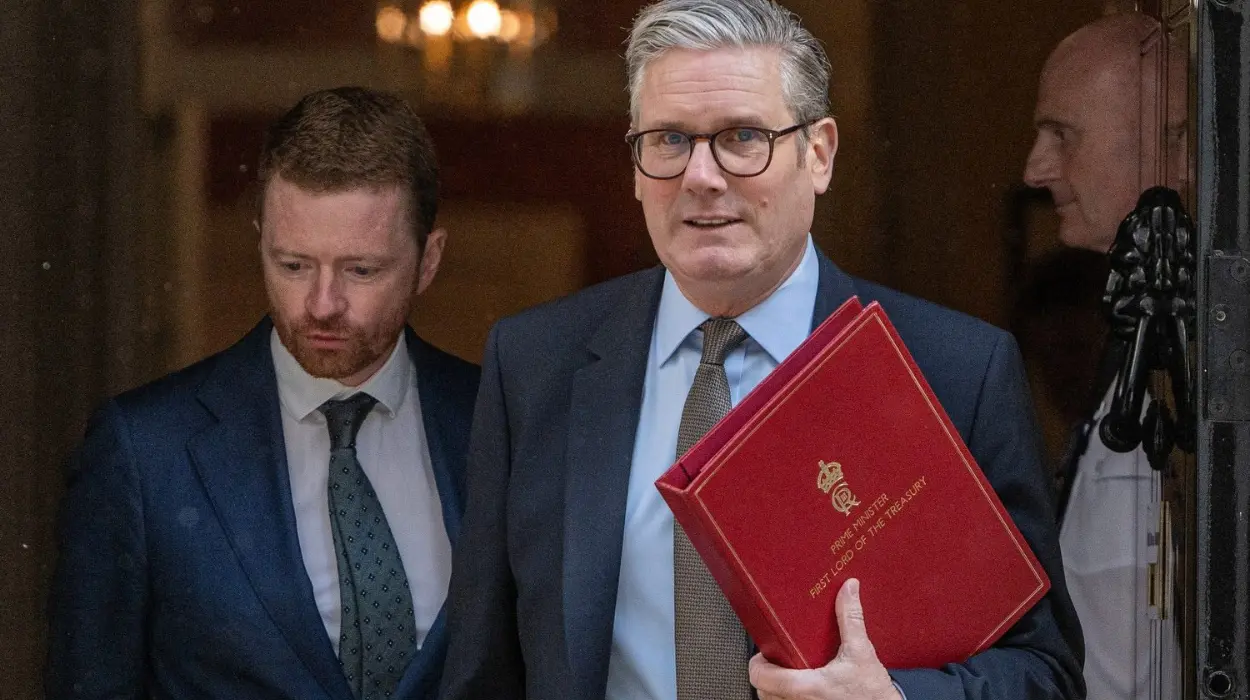
In a compelling hearing before the British Parliament's Foreign Affairs Committee, Morgan McSweeney, former Chief of Staff to Keir Starmer, sharply criticized the appointment of Peter Mandelson. McSweeney labeled this decision a 'serious error in judgment,' highlighting the potential risks this appointment poses to Britain's foreign policy.
These remarks come at a critical juncture as the Labour Party, under Starmer's leadership, seeks to rebuild its political image following years of internal divisions. Mandelson, who served as Trade Secretary in Tony Blair's government, is considered a controversial figure, and his appointment has elicited mixed reactions within political circles.
Details of the Criticism
During the session, McSweeney elaborated on how Mandelson's influence might affect foreign policy, noting that his experience may not align with the current challenges facing Britain. He pointed out that Mandelson's appointment could be seen as a regression from the principles the party aims to uphold.
The timing of Mandelson's appointment coincides with escalating global challenges, including tensions with Russia and China, which underscores the necessity for leadership capable of addressing these issues wisely and effectively. Some MPs have expressed concern that Mandelson may not be the right person to guide foreign policy under these circumstances.
Background & Context
Historically, Mandelson has been a pivotal figure in British politics, playing a key role in shaping Labour Party policy in the 1990s. However, his return to the political arena amid rising global challenges raises questions about his suitability for leadership at this stage.
It is noteworthy that the Labour Party has undergone significant transformations in recent years, as Starmer aims to reunite the party after a period of divisions experienced during Jeremy Corbyn's leadership. Mandelson's appointment could be viewed as a step towards rebuilding trust, but it may also spark controversy among the party's grassroots supporters.
Impact & Consequences
Mandelson's appointment could significantly affect the Labour Party's image in the eyes of voters. If his appointment is perceived as a misstep, it could lead to a deterioration of trust in the party's current leadership. Additionally, the criticisms voiced by McSweeney may bolster the position of dissenters within the party, further exacerbating internal divisions.
Moreover, this appointment could influence Britain's international relations, especially given the current tensions. If Mandelson fails to provide a clear and effective vision, it may result in a decline in Britain's standing on the global stage.
Regional Significance
The implications of Mandelson's appointment extend beyond domestic politics, potentially affecting Britain's relationships with other nations, particularly in the Arab world. The political changes within the Labour Party may have ripple effects that alter how Britain engages with international partners.
In conclusion, the appointment of Mandelson is a critical development that reflects the internal divisions within the Labour Party and its impact on foreign policy, which could ultimately influence Britain's international relations.