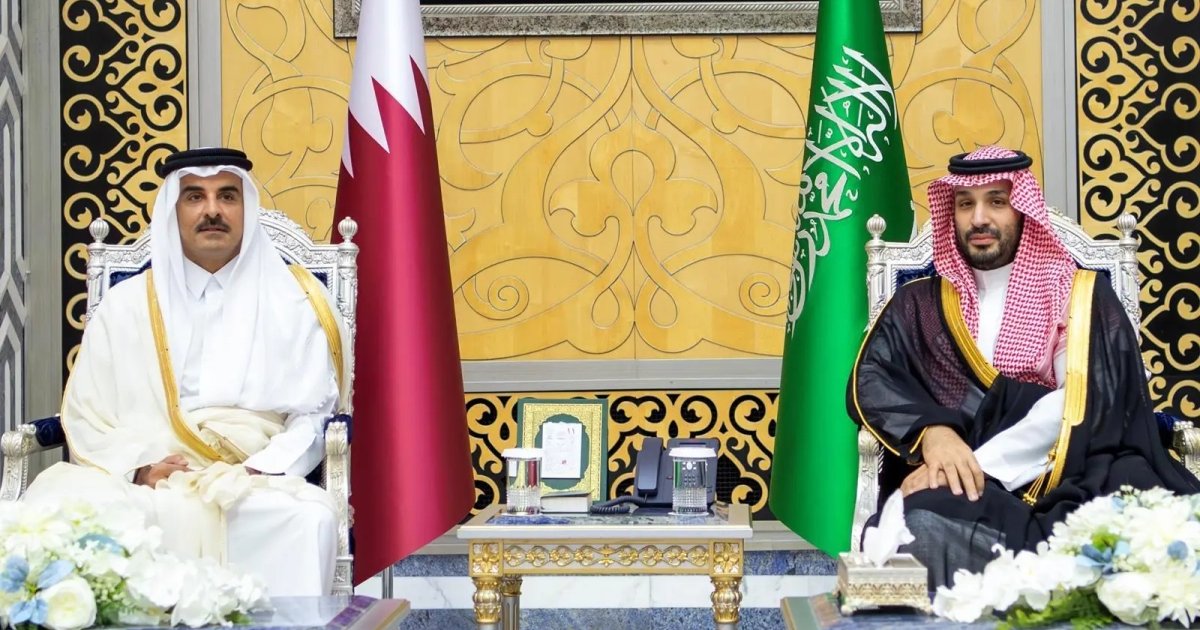
On Tuesday, Saudi Crown Prince and Prime Minister Mohammed bin Salman chaired the advisory summit of the Gulf Cooperation Council in Jeddah, attended by leaders and heads of delegations from member states. Discussions centered on several issues related to regional and international developments, along with the need for coordination among member states to tackle ongoing challenges.
This summit comes at a time when the region is experiencing increasing tensions, with ongoing diplomatic efforts being highlighted, particularly the Pakistani mediation between the United States and Iran, aimed at alleviating the crisis and opening negotiation channels to help de-escalate the situation.
Event Details
The summit underscored the importance of unifying the Gulf stance and enhancing joint coordination among member states to support collective security and protect economic gains. Notable leaders in attendance included the Emir of Qatar, Sheikh Tamim bin Hamad Al Thani, King Hamad bin Isa Al Khalifa of Bahrain, Crown Prince Sheikh Sabah Al-Khalid Al-Sabah of Kuwait, and Deputy Prime Minister and Minister of Foreign Affairs Sheikh Abdullah bin Zayed Al Nahyan of the UAE.
The Saudi Foreign Minister Prince Faisal bin Farhan bin Abdullah also participated in the summit, reflecting the event's significance within the context of Gulf and international relations.
Background & Context
The Gulf Cooperation Council was established in 1981 in response to the security and economic challenges facing the region's countries. Since then, the council has become an important platform for enhancing cooperation among member states in various fields, including security, defense, and economics.
Over the years, the council has faced numerous crises, including tensions with Iran and conflicts in the region. Recent events have heightened the need for coordination and cooperation among member states to address these challenges effectively.
Impact & Consequences
This summit is seen as a significant step towards strengthening Gulf unity amid rising regional tensions. Coordination among member states can contribute to improved security and stability in the region, benefiting all member countries.
Moreover, the success of the Pakistani mediation between the United States and Iran could open new avenues for regional cooperation and enhance the role of the Gulf Cooperation Council as an effective mediator in regional issues.
Regional Significance
The summit emphasizes the importance of Arab cooperation in confronting common challenges. Strengthening relations among Gulf countries can have a positive impact on other Arab nations, contributing to overall regional stability.
In conclusion, this summit reflects the commitment of Gulf countries to cooperation and coordination in addressing regional and international challenges, thereby enhancing their role in the global political arena.