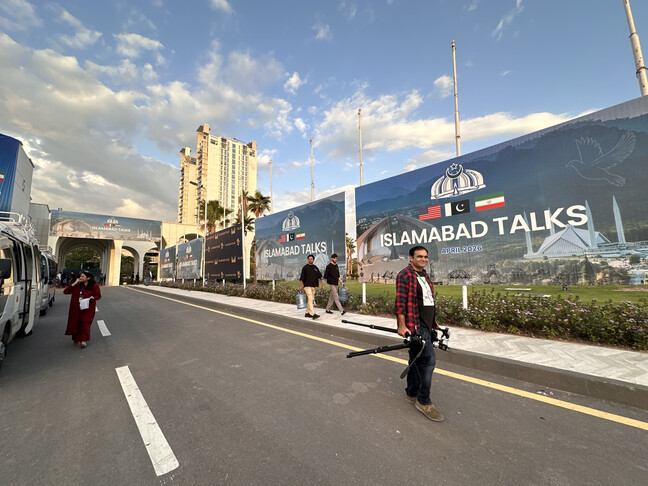
In an official statement, the spokesperson for the Qatari Foreign Ministry affirmed that using the Strait of Hormuz as a pressure tool on any party is unacceptable. This came in the context of Qatar's support for Pakistani mediation aimed at achieving an agreement between Iran and the United States. These statements reflect Qatar's steadfast position in supporting freedom of navigation in this strategic waterway.
Qatar is considered one of the active countries in the field of regional diplomacy, always striving to enhance dialogue among conflicting parties. It has expressed its readiness to support any efforts aimed at easing tensions in the region, especially in light of the multiple crises it is witnessing.
Details of Qatar's Position
Qatar's statements come at a time when relations between Iran and the United States are experiencing increasing tensions, with both countries exchanging accusations and threatening military options. In this context, the Strait of Hormuz is a vital point, through which approximately 20% of the world's total oil passes. Therefore, any threat to close it or use it as a pressure tool could lead to dire consequences for the global economy.
On the other hand, Pakistan is seeking to play a mediating role between Iran and the United States, hoping to achieve an agreement that alleviates tensions. Qatar's support for these efforts reflects its desire to promote stability in the region.
Background & Context
Historically, the Strait of Hormuz has witnessed numerous crises, serving as a theater for several conflicts among major powers. For decades, there have been multiple attempts to ensure freedom of navigation in this corridor, but political tensions often hinder these efforts. In recent years, tensions between Iran and the United States have intensified, increasing the importance of this strategic corridor.
Qatar is one of the countries striving to achieve balance in the region, maintaining good relations with Iran while also preserving its strategic partnership with the United States. This balance makes Qatar a key player in any diplomatic efforts aimed at easing tensions.
Impact & Consequences
Tensions in the Strait of Hormuz could lead to negative effects on the global economy, as any closure of the strait would result in a significant rise in oil prices. Additionally, this could impact the stability of global financial markets, making it essential to find swift diplomatic solutions.
Moreover, the continuation of tensions could lead to military escalation, complicating the situation in the region and affecting regional security. Therefore, Qatar's support for Pakistani mediation could be a positive step towards achieving stability.
Regional Significance
The situation in the Strait of Hormuz is not only crucial for the countries involved but also for global trade and energy supplies. The geopolitical dynamics in this area have far-reaching implications, affecting not just regional players but also global economies.
In conclusion, Qatar's proactive stance in supporting mediation efforts reflects its commitment to fostering dialogue and reducing tensions, which could contribute to a more stable regional environment.