Saudi Arabia held an extraordinary Gulf summit, where participants underscored the necessity of coordination among Gulf Cooperation Council (GCC) countries to confront the security and economic challenges facing the region, particularly in light of increasing Iranian aggression.
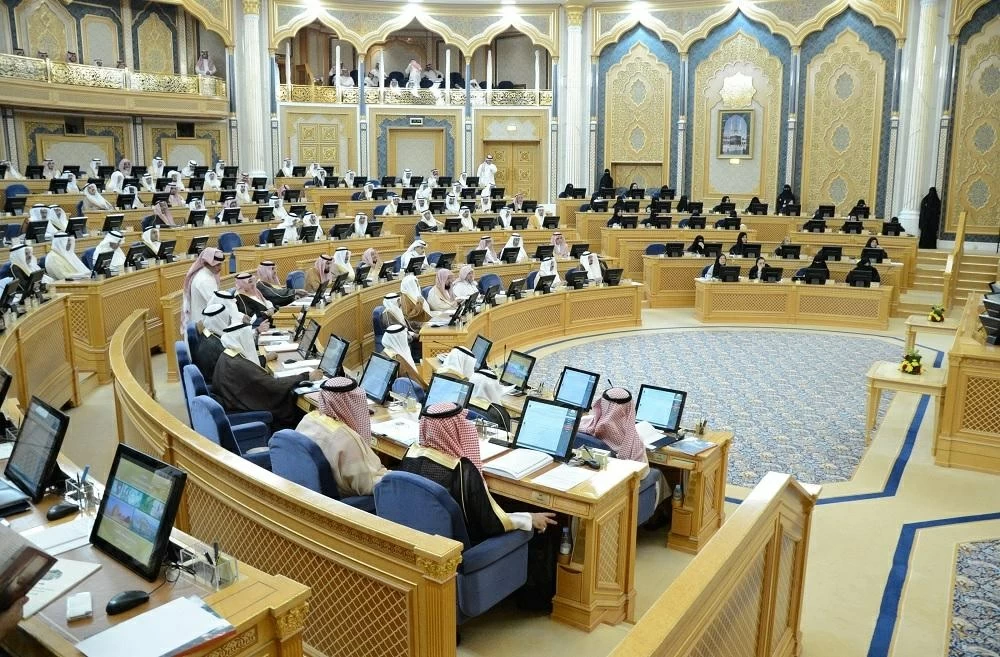
Dr. Amal Al-Hazani, a member of the Shura Council, noted that the Kingdom's hosting of this summit reflects its steadfast commitment to enhancing dialogue and aligning positions among GCC states, contributing to greater integration and stability in a complex regional environment. She emphasized that the GCC countries are working to contain tensions while ensuring that their territories are not used for any hostile actions.
Details of the Event
This summit comes at a sensitive time, as Iran and its affiliated militias continue to escalate their actions, necessitating an effective response from GCC states. The Kingdom condemned these practices, viewing them as violations of international law and threats to regional security. The GCC countries welcomed UN Security Council Resolution (2817), which condemned Iranian attacks, stressing their collective security and the importance of safeguarding their sovereignty.
In this context, Al-Hazani confirmed that the repercussions of the crisis extend beyond the regional framework, impacting the global economy, especially with the navigation in the Strait of Hormuz being affected, which necessitates maintaining the flow of trade and energy supplies.
Background & Context
Historically, the Gulf region has witnessed numerous crises that required high levels of coordination among the member states of the Gulf Cooperation Council. Since the establishment of the Council nearly fifty years ago, Saudi Arabia has played a pivotal role in promoting cooperation among member states, particularly in facing external threats.
The current Gulf summit is seen as a continuation of this approach, as member states seek to enhance effective crisis management strategies, ensuring regional stability and strengthening their capacity to confront future challenges.
Impact & Consequences
The current circumstances demand a swift and effective response from the GCC countries. Shura Council member Fadl bin Saad Al-Bouainain noted that the summit was convened at a time when the region faces security and economic risks due to escalating tensions. He affirmed that Crown Prince Mohammed bin Salman played a significant role in calling for this summit to coordinate efforts to contain the repercussions of crises on the region.
Dr. Abdullah bin Omar Al-Najjar pointed out that the summit reflects the cohesion of the Gulf system and its ability to address exceptional challenges, thereby enhancing the prospects for achieving security and stability in the region.
Regional Significance
This summit is an important step toward enhancing Arab cooperation in the face of regional challenges, as participants look to formulate practical outcomes that bolster the security and stability of Gulf states. This highlights the importance of coordination among Arab countries in confronting common threats.
In conclusion, the extraordinary Gulf summit remains an opportunity to reaffirm Arab unity and strengthen collective efforts to address the challenges facing the region, contributing to achieving security and stability for its peoples.