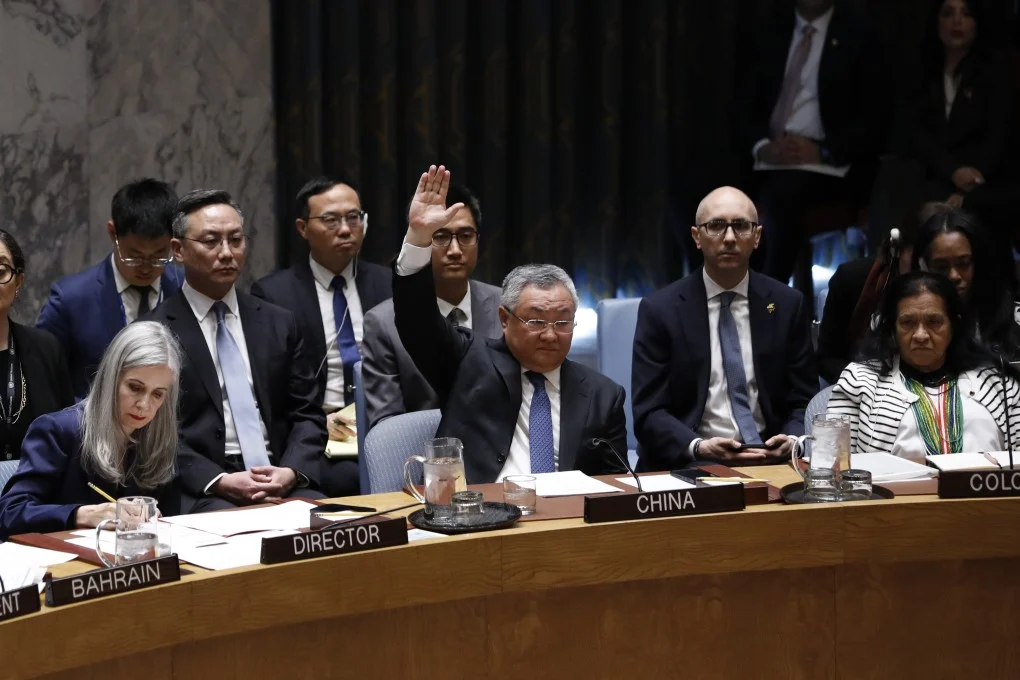
In a new development on the international stage, Chinese President Xi Jinping has stressed the necessity of opening the Strait of Hormuz for normal navigation, highlighting the importance of achieving a comprehensive ceasefire in the region. These statements were made during talks with Saudi Crown Prince Mohammed bin Salman, reflecting the increasing pressures exerted by China on Iran amid ongoing tensions.
This call serves as an indicator of how the relationships between Beijing and Tehran are being tested in light of escalating regional conflicts. Notably, President Xi did not directly mention Iran or the United States, which underscores China's desire to maintain a delicate balance in its relations with both parties.
Details of the Event
During the meeting between Xi Jinping and Mohammed bin Salman, the Chinese president emphasized the importance of keeping the Strait of Hormuz open for normal navigation, which is considered a vital artery for oil and gas transport. These remarks come at a time when the region is witnessing a rise in tensions, as Iran imposes restrictions on navigation in the strait.
These pressures coincide with growing international concerns about the impact of the conflict in the region on global energy supplies. The Strait of Hormuz is a major transit point for approximately 20% of the world's oil, making any restrictions on navigation a threat to global energy security.
Background & Context
Historically, the Strait of Hormuz has been a focal point for political and military tensions in the region. For decades, the area has experienced multiple conflicts, including the Iran-Iraq War, tensions between Iran and the United States, and other crises related to the Iranian nuclear issue. This background complicates China's efforts to strengthen its economic ties with Iran while navigating international pressures.
Moreover, Chinese-Iranian relations have seen a notable improvement in recent years, with both countries signing economic and military cooperation agreements. However, with rising tensions, it appears that Beijing is facing new challenges in managing these relationships.
Impact & Consequences
China's call to open the Strait of Hormuz could have significant implications for regional and international relations. This pressure may lead to a change in Iran's behavior, potentially contributing to a de-escalation of tensions in the area. However, at the same time, China may find it challenging to maintain a balance in its relations with Tehran, especially if Western pressures continue.
Furthermore, any change in Iran's policy regarding navigation in the strait could affect global oil prices, which may have negative repercussions for the global economy. Thus, Chinese moves come at a highly sensitive time, as concerns grow over the impact of regional conflicts on global markets.
Regional Significance
For Arab countries, China's call to open the Strait of Hormuz reflects the importance of regional cooperation in facing shared challenges. These nations are directly concerned with the security of navigation in the strait, given their significant reliance on oil exports.
Additionally, Chinese initiatives may pave the way for further cooperation between Arab nations and China, particularly in the fields of energy and trade. As tensions rise, this opportunity may be ripe for enhancing economic and political relations between Arab countries and Beijing.