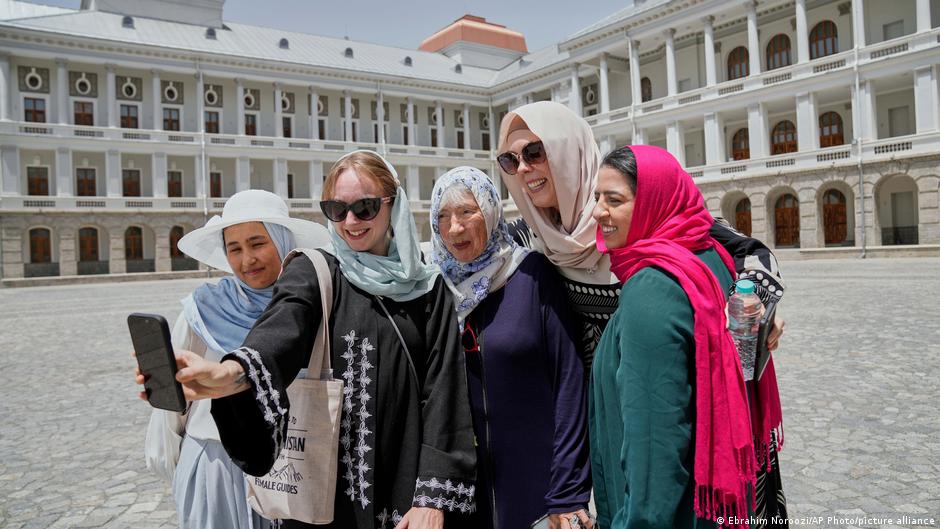
The criticism directed at Western travel bloggers promoting Afghanistan as a tourist destination is intensifying, given the difficult circumstances faced by the Afghan people under Taliban rule. These bloggers are accused of ignoring official travel warnings and instead focusing on aesthetic and interesting aspects.
Among these bloggers is Zoe Stevens, who has made several trips to Afghanistan and published numerous videos on her YouTube channel and Instagram accounts. Stevens claims she provides a more balanced view of the situation in Afghanistan compared to other bloggers who have only spent short periods in the country. She states, "I refuse to create provocative content."
Details of the Event
Some videos posted by other bloggers feature them conversing with Taliban fighters, raising questions about the ethics of these interactions. Many accuse these bloggers of supporting a regime that seeks to promote tourism in Afghanistan, despite the severe human rights violations occurring there.
Claudia Paganini, a philosopher at the University of Innsbruck, argues that bloggers often focus on the aesthetic aspects of tourist destinations, which can be harmful when it comes to a country suffering under a dictatorial regime. She emphasizes that many issues cannot be depicted in videos, making it difficult for viewers to accurately assess the situation.
Background & Context
Historically, Afghanistan has endured ongoing conflicts, having experienced wars and civil strife for decades. Since the Taliban's return to power in 2021, humanitarian conditions have worsened, making the country one of the most dangerous places for women and minorities. Nevertheless, some bloggers attempt to portray Afghanistan as an attractive tourist destination, sparking debate about the ethics of tourism in such circumstances.
Social media platforms lack regulations governing the behavior of bloggers, leaving the door open for controversial practices. Paganini has suggested the need for some form of quality certification for content published on these platforms.
Impact & Consequences
The implications of this phenomenon extend beyond tourism, affecting how the Western public understands the situation in Afghanistan. While some videos garner thousands of views, Stevens' content, which highlights the harsh reality, remains less popular. This reflects how provocative content captures more attention than balanced reporting.
Johannes Klaus, a blogger who founded a platform for travel writers, stresses the need for a code of conduct for bloggers, noting that much of the tourism content relies on excitement rather than providing objective reports.
Regional Significance
This issue is significant for the Arab world, as it may influence how Arab countries approach tourism in conflict areas. There is an urgent need to understand how tourism can affect local communities, especially in countries experiencing conflicts.
In conclusion, this phenomenon raises questions about the ethics of tourism in conflict zones and highlights the importance of providing objective content that considers humanitarian conditions. Bloggers must take greater responsibility in how they portray reality, especially in countries suffering from human rights violations.