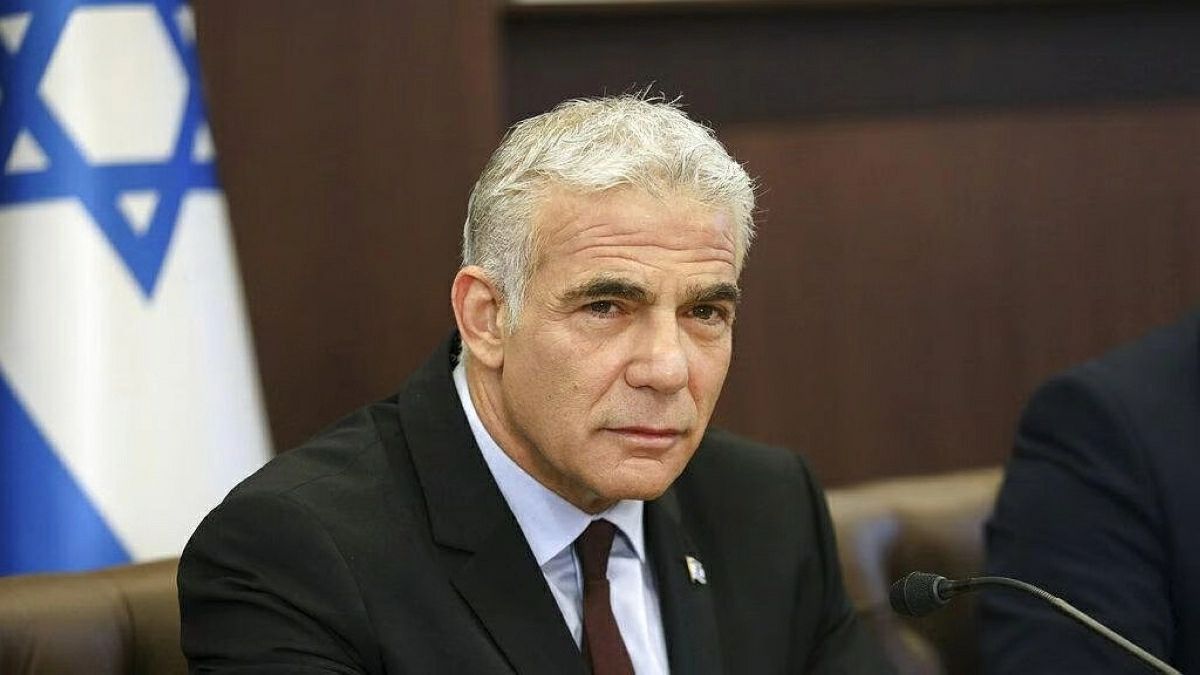
Israeli opposition leaders have launched severe criticisms against Prime Minister Benjamin Netanyahu regarding the ceasefire agreement reached with Iran, which they view as a significant diplomatic failure. Yair Lapid, the opposition leader, pointed out that "Israel was not even at the negotiating table when decisions concerning our national security were made."
Lapid further stated that the Israeli army executed everything that was asked of it, and the public demonstrated remarkable resistance, but Netanyahu "failed diplomatically and strategically and did not achieve any of the goals he set for himself." This criticism comes at a sensitive time after the United States and Iran agreed to a two-week ceasefire in an attempt to avert comprehensive destruction of Iran, a threat previously made by former U.S. President Donald Trump.
Details of the Ceasefire Agreement
Reports indicate that Netanyahu's office supported Trump's decision to suspend bombing on Iran, but emphasized that the ceasefire does not include Lebanon, where Israeli forces are engaged in battles against Hezbollah, an Iran-backed group. Netanyahu had identified the elimination of the Iranian nuclear program as a primary war goal, describing it as an "existential threat" to Israel.
Netanyahu also called for neutralizing Iran's missile capabilities, weakening the Iranian regime, and reducing Tehran's regional influence by targeting its allied networks. Opposition leaders considered this ceasefire a major strategic failure, with Yair Golan, head of the leftist Democratic Party, labeling the ceasefire a "strategic failure" for Netanyahu.
Background & Context
Historically, Israeli-Iranian relations have been marked by intense tension, as Israel views the Iranian nuclear program as a direct threat to its security. Successive Israeli governments have attempted to confront this threat through various strategies, including military and intelligence operations. However, diplomatic agreements like this ceasefire may reflect a shift in Israeli strategy towards Iran.
In recent years, tensions between Iran and Israel have escalated, particularly with Iran's support for Hezbollah and other armed groups in the region. These dynamics have impacted regional security and raised concerns about a larger escalation in conflicts.
Impact & Consequences
Reactions to the ceasefire indicate a clear division in Israeli politics, with many leaders believing that this move could lead to negative repercussions for national security. Avigdor Lieberman, a member of parliament, warned that this ceasefire gives the Iranian regime "an opportunity to regroup."
Lieberman added that any agreement with Iran that does not involve abandoning the destruction of Israel, uranium enrichment, or the production of ballistic missiles means that Israel may have to return to another military campaign under more difficult circumstances, which would come at a greater cost.
Regional Significance
The developments surrounding this ceasefire highlight ongoing tensions in the Middle East and their impact on regional security. The potential for Iran to reorganize its military capabilities poses a significant challenge for Israel and its allies.
In conclusion, the criticisms directed at Netanyahu reflect broader concerns about the effectiveness of Israel's current strategies in dealing with Iran and the implications for future security dynamics in the region.