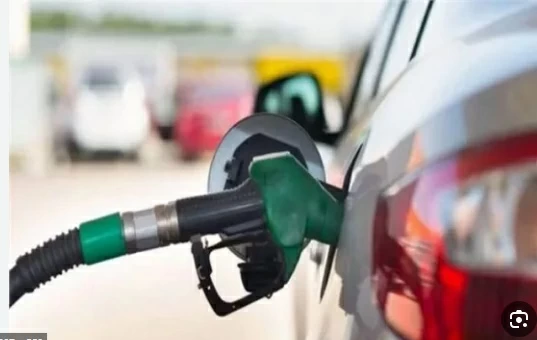
Cuba's Minister of Energy and Mines, Vicente de la O Levy, has announced that the country's stocks of diesel and fuel oil have been entirely depleted, worsening the electricity crisis in the capital, Havana. The city is currently facing its worst wave of repeated power outages in decades, with neighborhoods experiencing blackouts lasting up to 22 hours daily.
The minister noted that these outages have significantly increased over the past two weeks, leading to heightened tensions in a city already suffering from severe shortages of food, fuel, and medicine. This dire situation reflects the impact of the U.S. embargo, which limits fuel supplies to the island.
Details of the Situation
Under these circumstances, Cuba's national electricity grid is operating entirely on local crude oil, natural gas, and renewable energy. De la O Levy explained that Cuba has installed solar panels with a capacity of 1300 megawatts over the past two years; however, a significant portion of this energy is wasted due to grid instability, reducing efficiency and production.
The minister also added that Cuba is open to anyone willing to sell fuel to the country, reflecting the urgent need for new supplies to address this crisis.
Background & Context
Historically, Cuba has faced similar crises due to the U.S. embargo imposed decades ago. This embargo has significantly affected the Cuban economy, leading to shortages of essential resources such as fuel and food. Additionally, Cuba heavily relies on imports to meet its energy needs, making it vulnerable to fluctuations in the global market.
In recent years, the Cuban government has attempted to promote the use of renewable energy, but economic and political challenges hinder these efforts. As pressures on the electrical system increase, the need for urgent solutions has become more pressing.
Impact & Consequences
The fuel and electricity crisis in Cuba directly affects citizens' lives, with increasing instances of protests due to the lack of essential services. The deteriorating economic situation further exacerbates the suffering of the population, threatening social stability in the country.
Moreover, the continuation of this crisis could worsen relations between Cuba and the United States, as the Cuban government may seek international support to address current challenges. These conditions could also impact tourism, which is one of the main sources of revenue in Cuba.
Regional Significance
The crisis in Cuba serves as a reminder for Arab countries about the importance of securing energy sources and self-reliance in facing crises. Many Arab nations face similar challenges in securing energy supplies, prompting the need to consider new strategies to enhance sustainability.
Additionally, the situation in Cuba may pique the interest of Arab nations in how to handle economic and political crises, potentially leading to an exchange of experiences and solutions among countries.
In conclusion, Cuba's current crisis remains an example of the challenges countries can face under difficult economic and political conditions, necessitating a swift and effective response from both the government and the international community.