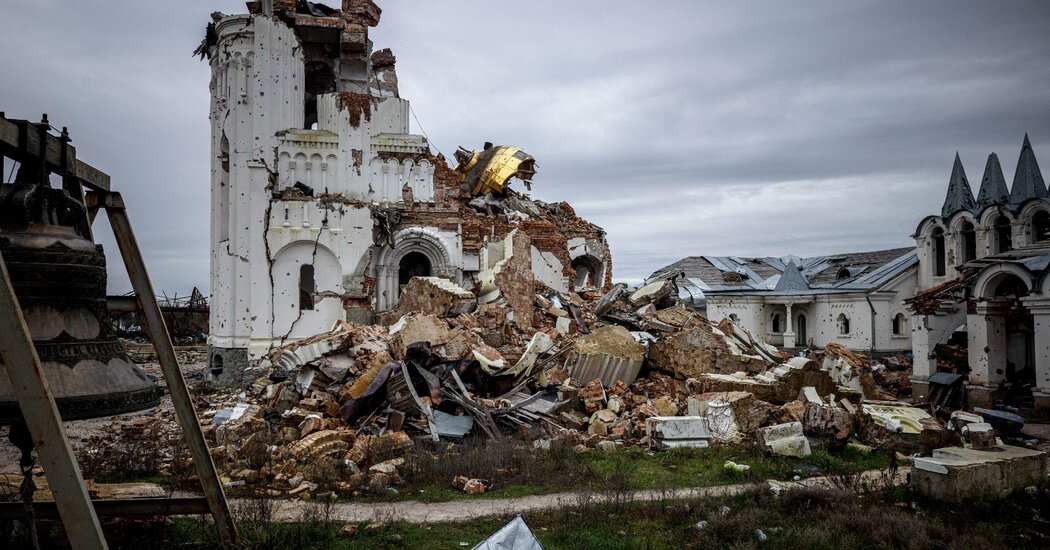
The Iranian Ministry of Cultural Heritage and Tourism has reported that the damage inflicted on historical sites due to war has reached 132 archaeological sites, affected across 18 provinces as of yesterday. These cultural losses represent a severe blow to Iranian heritage that spans thousands of years, as these sites are an integral part of the national and cultural identity of the country.
The damages are spread across a variety of historical sites, including ancient castles, temples, and archaeological sites that reflect Iran's rich history. Field assessments have been conducted by specialized teams within the ministry, where damages have been meticulously recorded to determine the extent of the losses.
Details of the Damage
The recorded damages include the destruction of parts of archaeological sites, as well as the deterioration of some locations due to the ongoing conflict. The ministry has confirmed that these damages are not merely material losses but also represent a loss of the cultural and historical memory of the Iranian people.
The damages are distributed across several regions, reflecting the extent of the conflict's impact on the cultural heritage of the country. Among the affected sites are historical locations listed as UNESCO World Heritage sites, which increases the urgency of protecting these sites and restoring what can be salvaged.
Background & Context
Historically, Iran has witnessed numerous conflicts and wars that have affected its cultural heritage. Since the Islamic Revolution in 1979, the country has experienced political and military tensions, negatively impacting many archaeological sites. With the escalation of the current conflict, these sites have become even more endangered.
Iran is considered one of the oldest civilizations in the world, housing a wide array of archaeological sites that date back to various historical periods. This cultural heritage is not only a part of Iranian identity but also represents a significant aspect of global human heritage.
Impact & Consequences
The repercussions of these cultural losses extend beyond Iran's borders, affecting tourism and culture throughout the entire region. Iran has been a popular tourist destination for visitors from around the world, but the ongoing conflict has led to a significant decline in tourist numbers.
Moreover, the loss of cultural landmarks negatively impacts the local economy, as many communities rely on tourism as a means of livelihood. Protecting cultural heritage has become an urgent necessity under the current circumstances.
Regional Significance
The cultural heritage losses in Iran serve as a warning to neighboring Arab countries that also face similar challenges. Armed conflicts and political strife threaten cultural heritage in many nations, necessitating collective efforts to protect this heritage.
Experiences from Arab countries in preserving cultural heritage may provide valuable lessons for Iran, where knowledge and expertise in protecting archaeological sites can be exchanged. Preserving cultural heritage should be a shared priority in the region.
The damage to archaeological sites in Iran represents a significant loss not only for the Iranian people but for humanity as a whole. The current situation requires concerted efforts from all stakeholders to protect cultural heritage and ensure its sustainability for future generations.