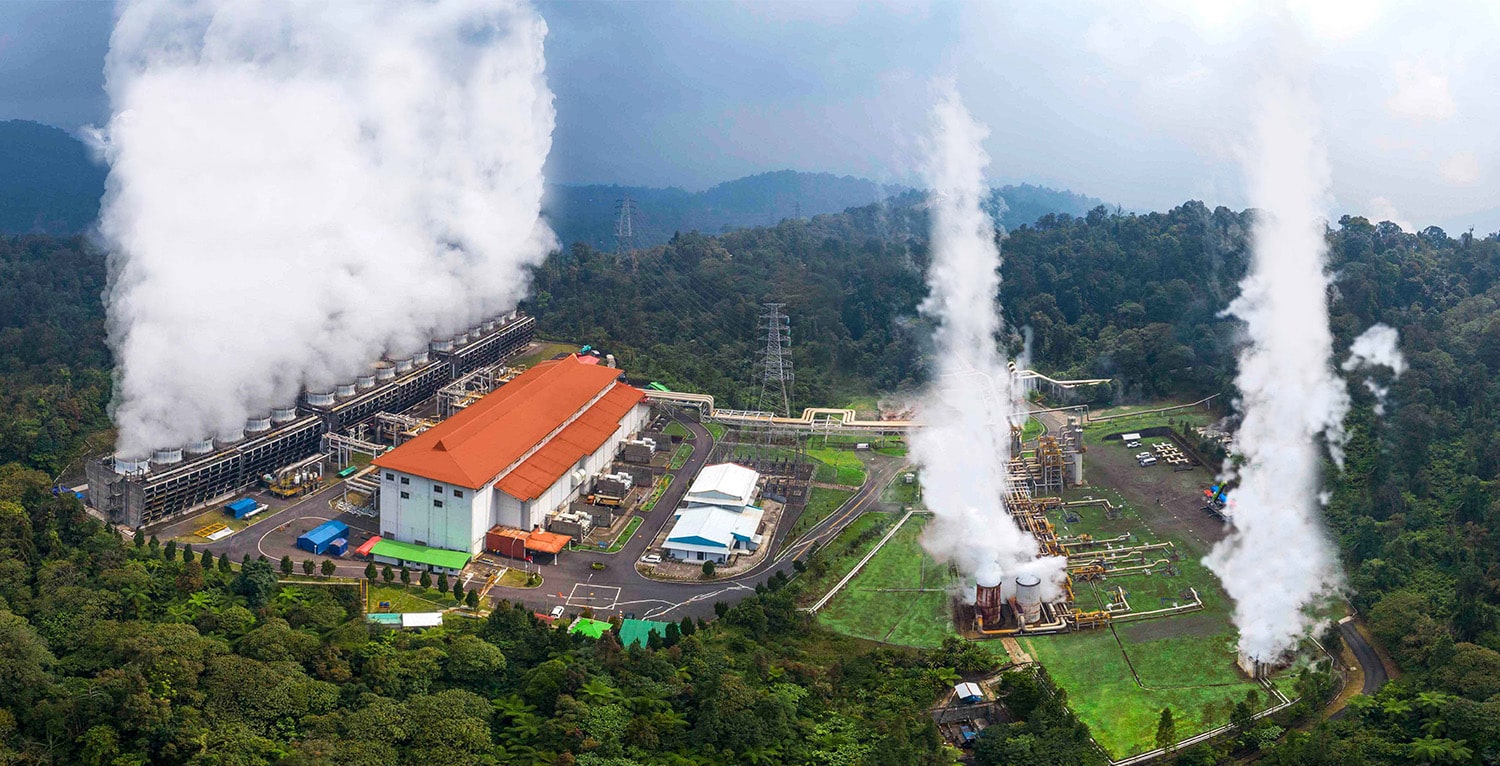
In a significant statement, the Indonesian Minister of Higher Education and Technology, Stella Christi, disclosed the reasons that hinder the effective use of geothermal energy in Indonesia. She explained that the cost of producing electricity from geothermal energy is approximately 18 cents per kilowatt-hour, while the cost of electricity from coal does not exceed 7-8 cents.
Christi pointed out that this price gap makes many countries, including Indonesia, hesitant to adopt this renewable energy source. Despite Indonesia's vast potential in this field, the actual exploitation of geothermal energy does not exceed 10% of the total available potential.
Event Details
During her talk in Jakarta, Christi emphasized the need to enhance research and development in the geothermal energy sector. She clarified that Indonesia holds a prominent position in this field, possessing about 40% of the world's total geothermal energy. Therefore, it is crucial for various stakeholders to collaborate to better utilize these resources.
Christi also confirmed that the Indonesian government is working to integrate energy research into the national strategic research program, aiming to achieve the renewable energy target of reaching 23% of the total energy used by 2025.
Background & Context
Geothermal energy is considered one of the most sustainable renewable energy sources, providing clean and uninterrupted power. However, economic and technological challenges hinder the progress of this sector in many countries. In Indonesia, there is an increasing need to effectively exploit these resources, especially in light of the global trend towards reducing dependence on fossil fuels.
Historically, Indonesia has heavily relied on coal and oil to meet its energy needs. However, the shift towards renewable energy has become an urgent necessity amid climate change and international commitments to reduce carbon emissions.
Impact & Consequences
If Indonesia can enhance the effectiveness of geothermal energy use, it could contribute to achieving its environmental and economic goals. Increasing reliance on renewable energy can reduce carbon emissions and enhance the country's energy security.
Moreover, government investment in research and development in this field could open new horizons for international cooperation and strengthen Indonesia's position as a leading country in renewable energy.
Regional Significance
Renewable energy is also a vital issue in the Arab region, where many countries face similar challenges in the energy sector. Arab nations could benefit from Indonesia's experiences in harnessing geothermal energy, especially given the availability of suitable natural resources.
Ultimately, this development in Indonesia represents an opportunity to enhance cooperation between Arab countries and Indonesia in the field of renewable energy, which may contribute to achieving shared environmental and developmental goals.