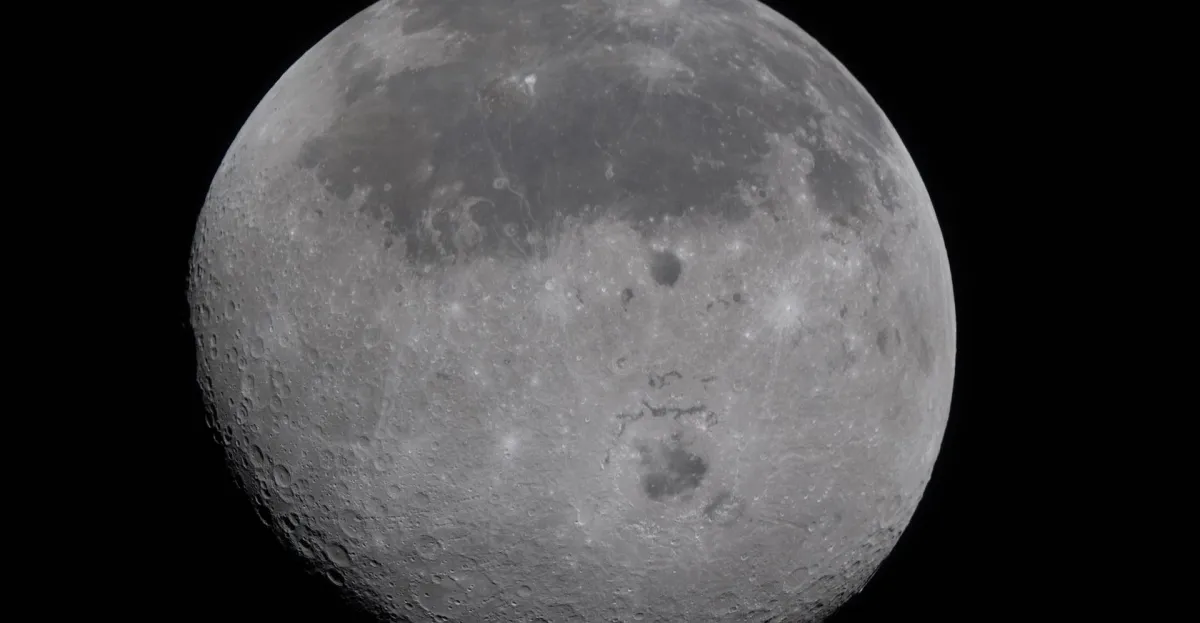
The crew of Artemis 2 has achieved a historic milestone, having traveled over 248,655 miles, making them the farthest humans from Earth in history. This accomplishment took place just minutes before 2 PM EST on Monday, surpassing the record set by Apollo 13 56 years ago.
To celebrate this occasion, the crew held a ceremony to name two craters on the moon. They gathered in lunar orbit, exchanging hugs in an emotional moment that reflected their teamwork and collaboration.
Details of the Achievement
The crew announced their proposal to name two craters on the moon, with the first crater named Integrity, in honor of their spacecraft. The second crater was more personal, named Carroll in memory of the wife of mission commander Reid Wiseman, who passed away in 2020.
During NASA's live broadcast, astronaut Jeremy Hansen stated, "Years ago, we began this journey as a family of astronauts, and we lost one of our loved ones." Hansen explained that the crater named Carroll represents a "bright spot on the moon," reflecting the emotional significance of this tribute.
Background & Context
The Artemis program aims to return humans to the moon and establish a sustainable presence there. Artemis 2 is a crucial step in this initiative, as it prepares for future missions that will include landing astronauts on the lunar surface.
This mission not only breaks records but also serves as a testament to the advancements in space exploration technology. The collaboration between various space agencies and private companies has played a significant role in making such achievements possible.
Impact & Consequences
The successful completion of Artemis 2's mission signifies a new era in space exploration, showcasing the capabilities of modern technology and international cooperation. This milestone is expected to inspire future generations of scientists and engineers.
Moreover, the mission's success enhances the credibility of the Artemis program, paving the way for subsequent missions that will further explore the moon and eventually Mars. The naming of the craters also highlights the human aspect of space exploration, reminding us of the personal stories behind these scientific endeavors.
Regional Significance
This achievement holds particular significance for countries in the Arab region, as it emphasizes the importance of investing in space technology and exploration. It serves as an inspiration for Arab nations to develop their own space programs and participate in international space missions.
As the world watches the progress of Artemis 2, it encourages collaboration and knowledge sharing among nations, fostering a spirit of unity in the pursuit of scientific discovery.
Closing Thoughts
The Artemis 2 mission not only marks a historic achievement in space exploration but also reinforces the importance of teamwork, innovation, and remembrance. As humanity continues to reach for the stars, the legacy of those who have contributed to this journey will be honored and celebrated.