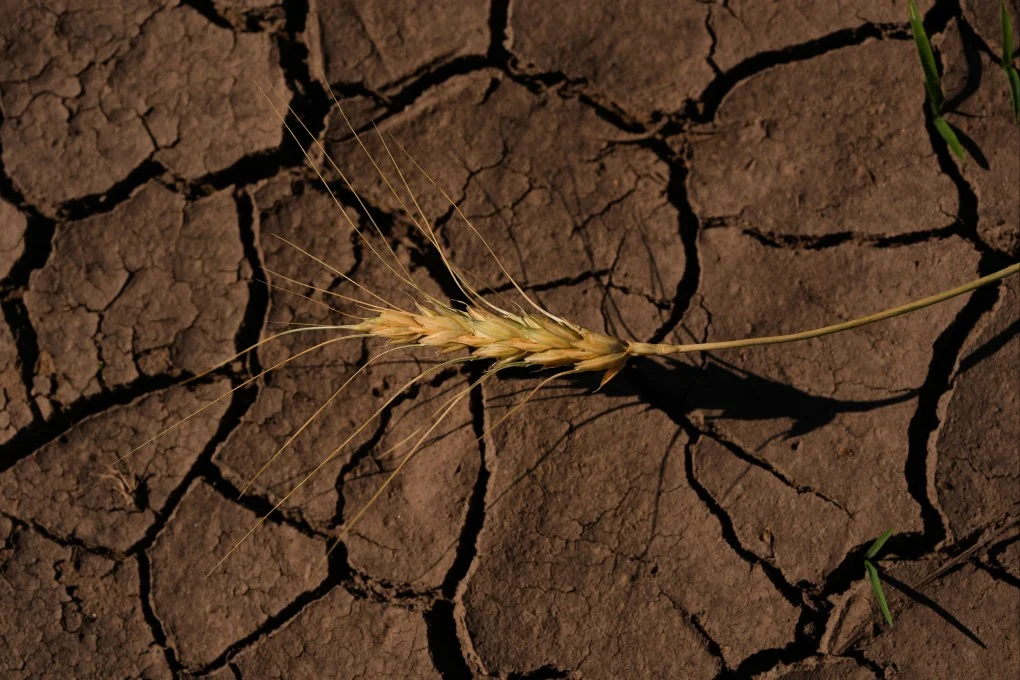
The United Nations has issued a warning that the Earth will witness a significant rise in temperatures over the next five years, which could lead to exceeding international climate thresholds. According to new forecasts, the planet is expected to break previous records for high temperatures, raising concerns about the impacts of climate change on the environment and humanity.
Reports indicate that the World Meteorological Organization predicts a temperature increase in the Arctic of up to 1.66 degrees Celsius by 2030. This rise could exacerbate environmental crises, including droughts and wildfires in the Amazon, which is considered a crucial part of the Earth's natural defenses.
Event Details
These predictions serve as a warning to the international community, as exceeding established climate thresholds could have dire consequences for wildlife and ecosystems. Research suggests that these extreme climate phenomena will particularly affect areas most vulnerable to climate changes, threatening biodiversity and increasing health risks.
There are also concerns that rising temperatures will lead to an increase in natural disasters, such as floods and severe storms, necessitating urgent responses from governments and international organizations.
Background & Context
Historically, the Earth has experienced significant temperature increases since the onset of the industrial revolution, with greenhouse gas emissions rising sharply. This increase has exacerbated the greenhouse effect, negatively impacting the global climate. In recent years, climate change has become a major topic in political and economic discussions, as countries seek to develop effective strategies to tackle these challenges.
The annual climate summit is seen as an opportunity for nations to collaborate and exchange ideas on how to address the climate crisis. However, progress in this area remains slow, increasing concerns about the future of the planet.
Impact & Consequences
The repercussions of rising temperatures extend beyond environmental boundaries, affecting the global economy and food security. Climate change is expected to lead to water resource shortages, intensifying conflicts over water and food. Economic impacts may include rising property and infrastructure insurance costs, burdening governments and businesses.
Furthermore, climate change could trigger mass migrations from affected areas, creating new humanitarian crises and increasing pressure on receiving countries.
Regional Significance
The Arab region is already experiencing the effects of climate change, with many countries suffering from water shortages and rising temperatures. The Middle East and North Africa are among the most vulnerable areas to climate changes, increasing economic and social challenges. Arab nations must take urgent action to address these challenges, including enhancing regional cooperation and developing effective strategies for adapting to climate changes.
In conclusion, the current situation demands an urgent response from the international community to address the climate crisis. Cooperation among nations and the exchange of knowledge and experiences will be key to achieving sustainable development goals and protecting the planet for future generations.