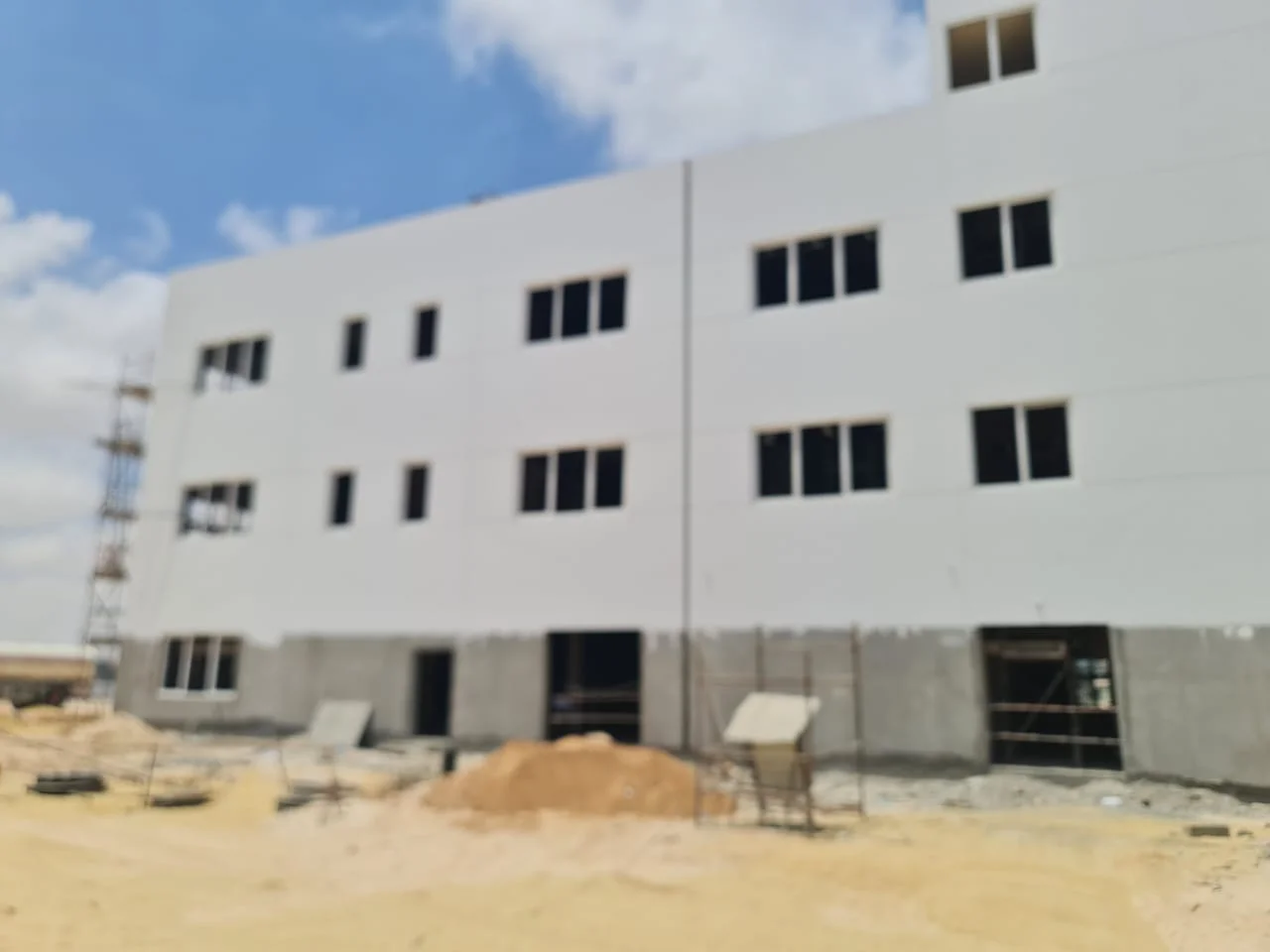
The Dabaa nuclear project is a strategic initiative by Egypt aimed at diversifying its energy sources. This project is crucial for achieving the country's energy goals and reducing reliance on fossil fuels.
The project aims to provide clean and sustainable energy, contributing to a decrease in dependence on fossil fuels. Additionally, it seeks to enhance Egypt's capacity to meet its growing energy demands.
Project Details
The Dabaa project was announced in 2015 and is considered Egypt's first nuclear power plant. The project includes the construction of four nuclear reactors with a total capacity of up to 4800 megawatts. It is being implemented in collaboration with Russia, following the signing of an agreement to build the nuclear plant.
The project's phases include establishing the necessary infrastructure and training Egyptian personnel to operate and maintain the reactors. It is expected that the project will create new job opportunities and boost the local economy.
Background & Context
For years, Egypt has been striving to diversify its energy sources to meet its increasing needs. The Egyptian economy heavily relies on natural gas, making energy diversification essential. The Dabaa project is part of Egypt's Vision 2030, which aims to achieve sustainable development.
Historically, Egypt has depended on traditional energy sources, but with the rising demand for energy, it has become necessary to seek alternative solutions. The Dabaa project represents a significant step toward achieving this goal.
Impact & Consequences
The Dabaa project is expected to have a positive impact on the Egyptian economy by providing energy at competitive prices. It will also contribute to reducing carbon emissions, enhancing Egypt's efforts to combat climate change.
Moreover, the project could elevate Egypt's status as a leading energy nation in the region, attracting foreign investments and fostering regional cooperation.
Regional Significance
The Dabaa project serves as a model for other Arab countries seeking to diversify their energy sources. The Egyptian experience could inspire other nations to adopt similar projects, contributing to energy security in the region.
Additionally, it may enhance Arab cooperation in the energy sector, aiding sustainable development across Arab nations.
In conclusion, the Dabaa project is a strategic step toward achieving energy diversification in Egypt, strengthening the country's ability to face future energy challenges.