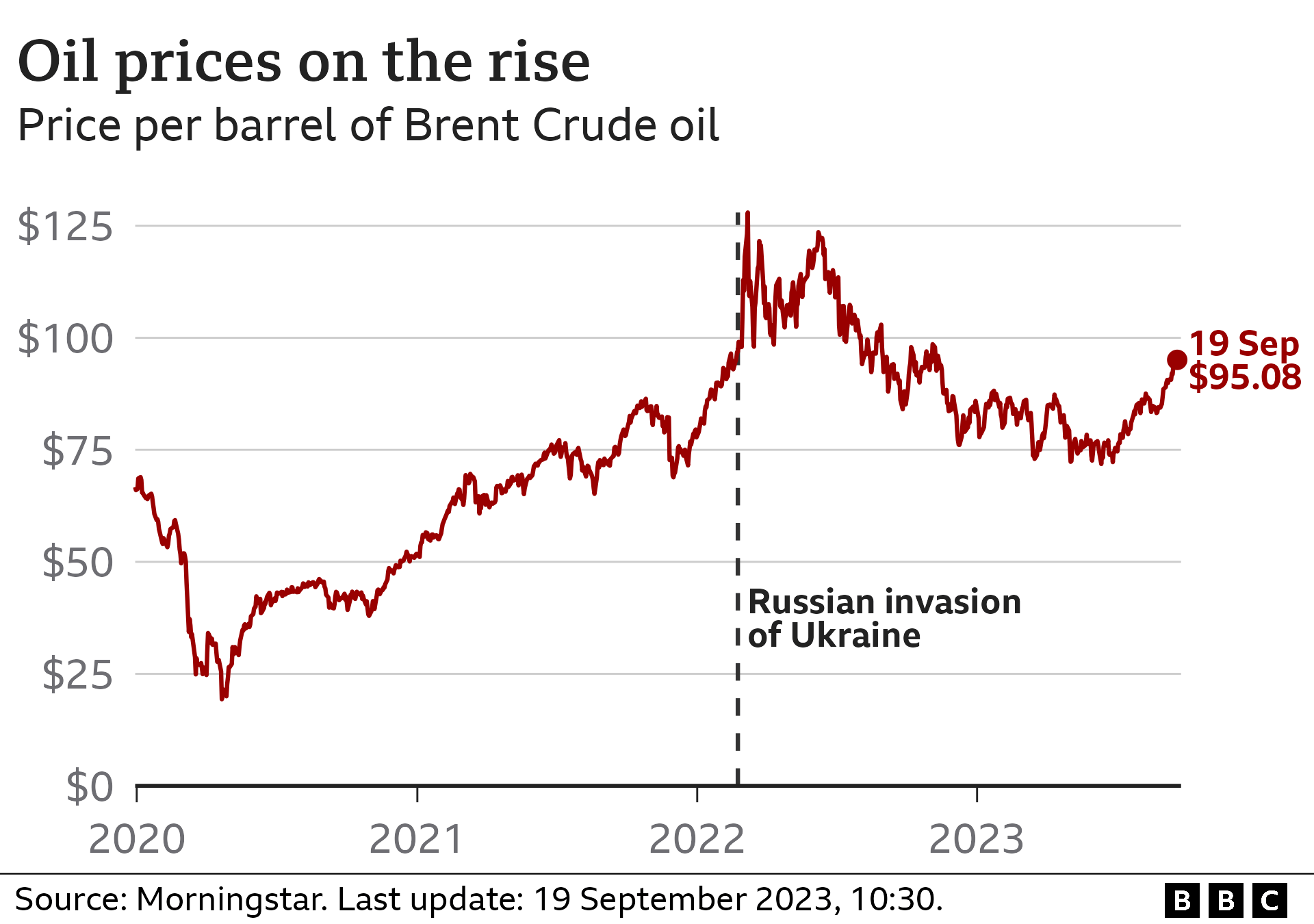
Brent crude oil prices have risen significantly to $110 per barrel, marking the highest level in three weeks. This increase comes as uncertainty surrounding the Iranian nuclear talks continues to impact the market. Investor concerns are growing regarding the potential resumption of Iranian oil exports if the involved parties reach an agreement.
This price increase is an indicator of instability in the oil market, where prices are heavily influenced by political and economic developments. Recent market fluctuations reflect fears of supply shortages amid rising demand.
Details of the Event
Attention is currently focused on the Iranian nuclear talks, as the international community seeks to reach an agreement that ensures the non-proliferation of nuclear weapons. However, the uncertainty surrounding the outcome of these negotiations contributes to upward pressure on oil prices. Recent reports indicate that investors expect any negative outcomes to significantly impact the market.
At the same time, oil-producing countries continue to monitor the situation closely, striving to balance supply and demand. Data has shown that demand for oil remains strong, which increases the challenges facing the markets.
Background & Context
Historically, oil prices have been significantly affected by political events in the Middle East, particularly those related to Iran. For several years, sanctions imposed on Iran have impacted its oil exports, leading to price volatility. As the talks approach a critical phase, interest is growing in how they will affect the market.
It is noteworthy that oil prices have experienced sharp increases and decreases in recent years, reflecting geopolitical and economic tensions. These fluctuations have affected global economies, especially those reliant on oil.
Impact & Consequences
The increase in oil prices can have multiple effects on the global economy. On one hand, oil-producing countries may benefit from this rise, while importing countries may face challenges in managing energy costs. Additionally, rising prices could lead to increased inflation, affecting consumers' purchasing power.
Furthermore, this increase may prompt changes in economic policies of countries, as some governments may seek to implement measures to mitigate the impact of rising prices on their citizens. Companies that rely on oil as a primary energy source may also face challenges in production costs.
Regional Significance
The Middle East is one of the regions most affected by oil price fluctuations, as many Arab countries heavily depend on oil revenues. If prices continue to rise, producing countries like Saudi Arabia and the UAE may benefit, while other nations could face economic challenges.
Moreover, these changes may impact investments in the region, as investors seek to assess the risks associated with price volatility. Political stability in the region is also a crucial factor in attracting investments.
In light of the ongoing uncertainty surrounding the Iranian talks, the future of oil prices remains uncertain. Investors and analysts must closely monitor developments to evaluate their impact on the market.