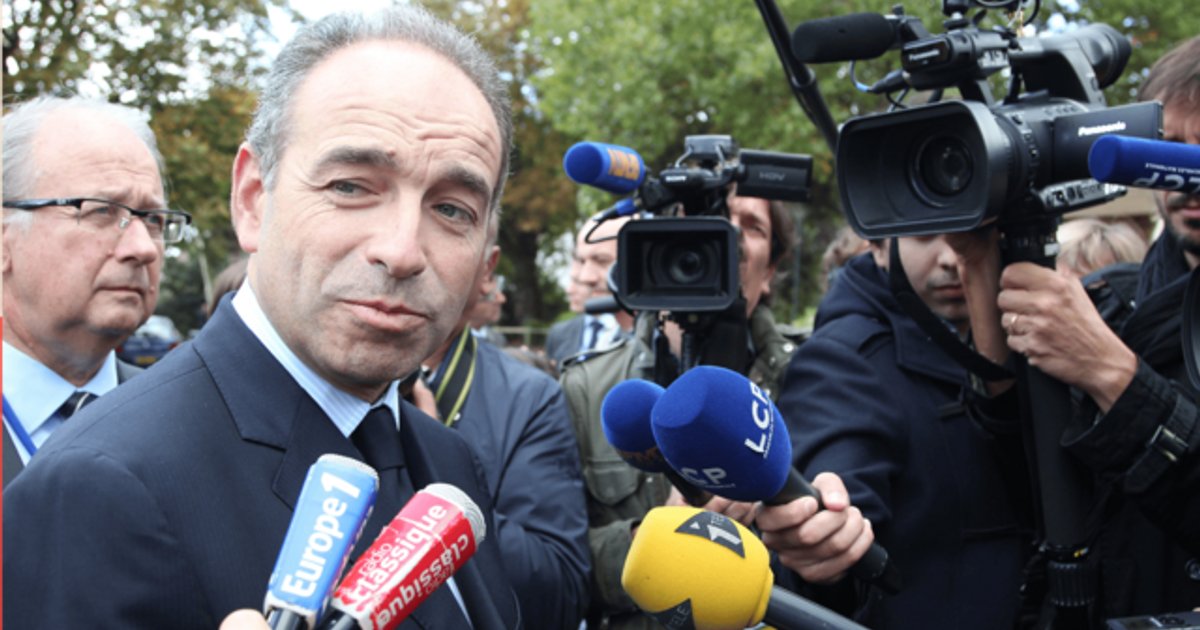
David Lisnard, the mayor of Cannes and vice president of the French Republicans, announced that he is no longer affiliated with the party, indicating that the current situation does not align with his political ambitions. This announcement comes at a sensitive time for the party, which is facing significant challenges amid political and social changes in France.
Lisnard criticized the method of selecting the party's sole candidate for the upcoming elections, arguing that this approach hinders democracy within the party and prevents fair competition. He calls for open primary elections, reflecting the desire of many party members for a change in leadership style.
Details of the Announcement
David Lisnard is considered a prominent figure in the French Republicans, having served as vice president of the party for a long time. However, his recent statements indicate a growing division within the party, as many members feel that the party needs a genuine renewal to address current challenges.
Lisnard's statements come at a time when the party is experiencing a decline in popularity, particularly following recent elections that saw the rise of new parties. There seems to be a general sense of dissatisfaction with the current leadership, highlighting the need for a reassessment of the party's strategy.
Background & Context
The French Republicans were established as an alternative to the Union for a Popular Movement and have played a significant role in French politics for decades. However, the party has seen a notable decline in recent years, losing many parliamentary seats, which has led to calls within the party for radical changes.
Historically, the party relied on its traditional leadership, but with the emergence of new political forces such as La République En Marche, it has become clear that the party needs to rethink its strategy. Lisnard is among the voices advocating for this change, making him a pivotal figure in current discussions about the party's future.
Impact & Consequences
Lisnard's statements may exacerbate divisions within the party, potentially negatively affecting its chances in the upcoming elections. If this trend continues, we may witness further splits within the party, which could weaken its position in the French political arena.
On the other hand, Lisnard's calls for new primary elections may open the door for new faces within the party, potentially revitalizing it and making it more competitive. This change could be essential if the party wishes to regain voter trust.
Regional Significance
The political developments in France are particularly significant for the Arab region, as France plays a key role in European and global politics. Any changes in French political leadership could impact French-Arab relations, especially in areas such as security and immigration.
Moreover, the rise of new parties in France may influence European policies towards Middle Eastern issues, necessitating close monitoring by Arab countries. Understanding the political dynamics in France can help Arab nations shape their strategies in response to potential changes.
In conclusion, David Lisnard's announcement signals a significant shift in the French political landscape, reflecting the challenges faced by the French Republicans. It will be important to monitor how events unfold in the coming weeks and whether these changes will lead to a reshaping of French politics.