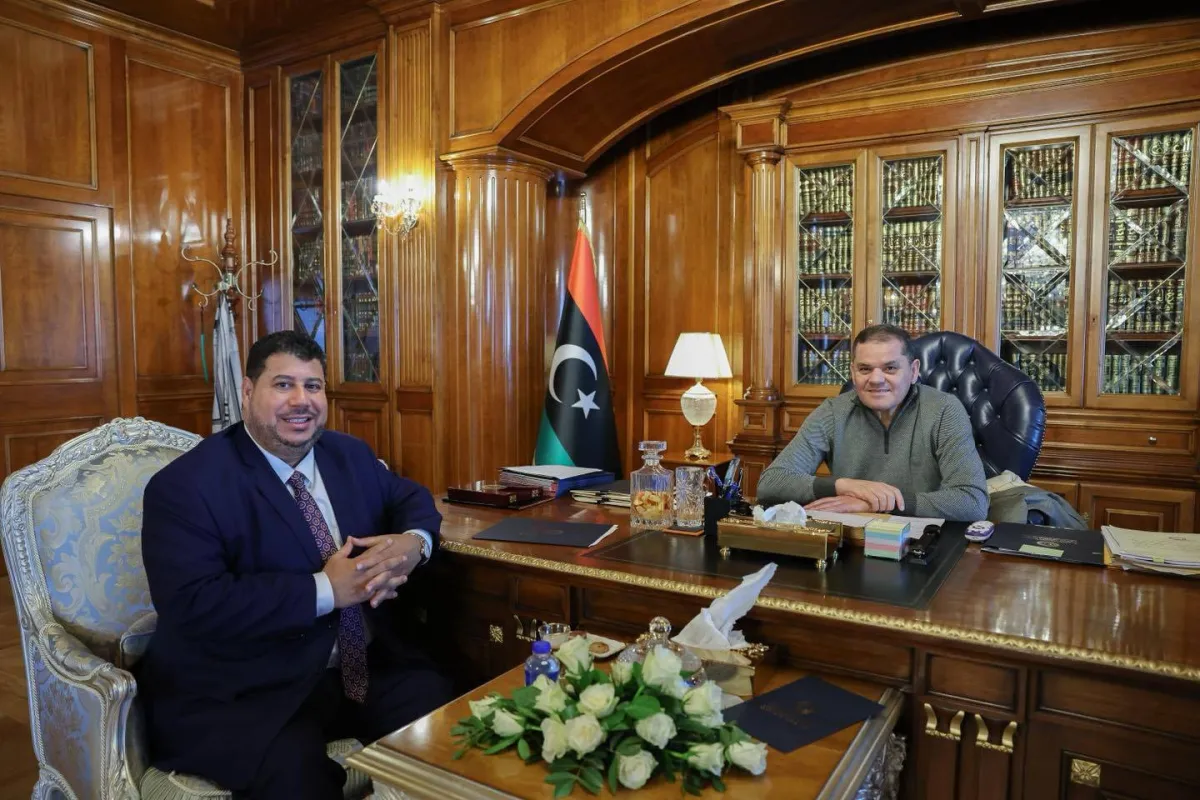
Abdul Hamid Dbeibah, the Prime Minister of Libya's interim National Unity Government, announced the termination of the development agreement with the private Arkno Oil Company, a move that follows a leaked report from the UN expert committee, which pointed to corruption involving current and former officials in the country.
The report, covering the period from October 2024 to February 2026, indicated that Arkno had transferred at least 3 billion dollars of oil revenues to bank accounts outside Libya between January and November 2025. The company was established in 2023 and is indirectly controlled by Saad al-Hifter, the Deputy Commander of the Libyan National Army, and faces allegations of oil smuggling.
Details of the Event
Amid rising public anger, Dbeibah sent a message to the Chairman of the National Oil Corporation, requesting the termination of the agreement signed between the Arabian Gulf Oil Company and Arkno, pointing to the widespread campaign that accompanied the public's rejection of this agreement. Nevertheless, this action did not calm his opponents, who considered it merely a ploy that would not lead to tangible results.
In defending his decision, Dbeibah noted that some parties had exploited the situation to inflate figures and spread rumors, diverting attention from the real causes of the economic crisis facing the country. He emphasized that public debt has exceeded 300 billion dinars, necessitating strict measures to protect the state's interests.
Background & Context
These developments come at a time when Libya is suffering from a sharp political divide between two competing governments, one in Tripoli led by Dbeibah and the other in Benghazi led by Osama Hamad. The UN expert committee's report has raised questions about the potential for political accountability in the country, especially with the increasing allegations of corruption.
This report is not the first of its kind, as Saad al-Hifter's name has previously appeared in reports related to oil smuggling, reflecting the depth of corruption pervasive in the Libyan oil sector. Oil is the main source of revenue in the country, making any allegations of corruption a serious threat to economic and political stability.
Impact & Consequences
The steps taken by Dbeibah may lead to increased pressure on the current government, as analysts believe these measures could be merely an attempt to absorb public anger without taking real steps toward reform. Additionally, the ongoing allegations of corruption could hinder any efforts to reach a comprehensive political settlement.
At the same time, these developments may strengthen the position of political forces seeking to gain more control over oil resources, complicating the political landscape in Libya further. Some believe that these conditions could open the door to new external interventions, especially from countries with interests in the oil sector.
Regional Significance
Libya is considered one of the main oil-producing countries in North Africa, and any disruptions in this sector could affect global oil prices. Moreover, the volatile political situation in Libya may reflect on the stability of neighboring countries, especially amidst existing tensions in the region.
In conclusion, Libya's future hinges on its leaders' ability to overcome political and economic divisions and achieve a national consensus that ensures the country's stability and restores confidence in its institutions.