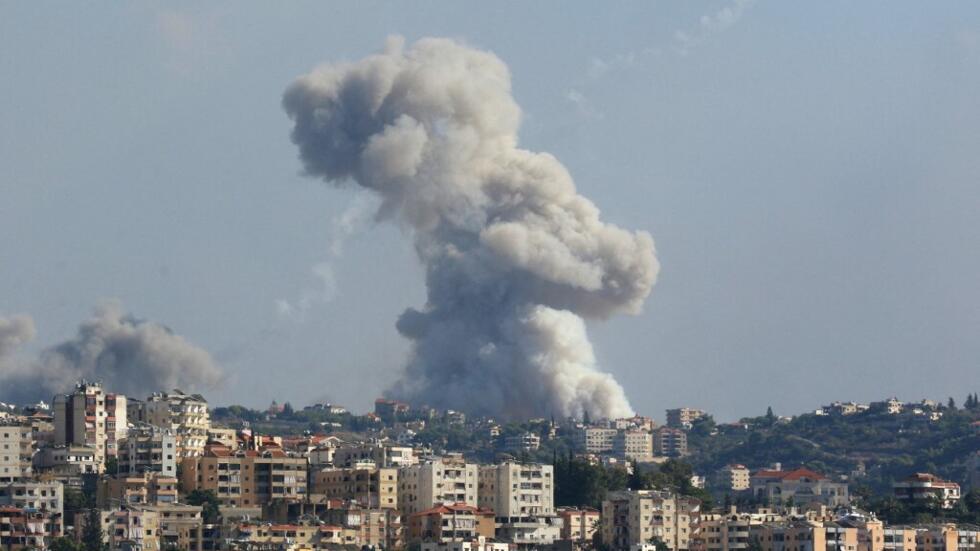
The Lebanese Disaster Risk Management Unit, part of the Prime Minister's Office, announced that the death toll from the escalating Israeli attacks since March 2 has risen to 1238, while the number of injured has surpassed 3543. On Sunday alone, 49 fatalities and 116 new injuries were recorded, reflecting the deteriorating humanitarian conditions in Lebanon.
Israeli military operations continue across various regions of Lebanon, exacerbating the suffering of civilians and leading to the destruction of infrastructure. Numerous humanitarian organizations have indicated that the situation in Lebanon has become catastrophic, with residents facing severe shortages of food, water, and healthcare.
Details of the Incident
The frequency of Israeli attacks on Lebanon has increased since the beginning of March, targeting residential areas and vital facilities. These attacks have led to the displacement of many families, putting additional pressure on the country's limited resources. Reports indicate that many of the victims are children and women, highlighting the tragic humanitarian impact of these assaults.
Under these circumstances, the Lebanese government is striving to provide support to those affected; however, economic and political challenges hinder relief efforts. Many countries and international organizations have expressed their readiness to offer assistance, but the deteriorating security situation complicates the implementation of this aid.
Background & Context
Historically, Lebanon has experienced multiple conflicts with Israel, with several rounds of violence over the years. The current conflict stems from ongoing tensions in the region, including the Israeli-Palestinian conflict and its impact on neighboring countries. Since 2006, when the July War broke out, Lebanon has witnessed an escalation in Israeli attacks, leading to a decline in humanitarian and economic conditions.
This round of military escalation is part of a broader conflict in the region, where regional and international interests intersect. Political and economic crises in Lebanon have affected the government's ability to address these crises, further complicating the situation.
Impact & Consequences
These events could exacerbate the humanitarian crises in Lebanon, where residents are suffering from severe shortages of essential services. The continuation of attacks may lead to further escalation of the conflict, threatening stability across the entire region. Many humanitarian organizations have warned that the situation could worsen if urgent actions are not taken to halt the violence and provide necessary aid.
Moreover, the ongoing escalation could impact relations between Lebanon and neighboring countries, potentially leading to political repercussions in the region. The situation may also affect peace efforts in the Middle East, as calls for dialogue and negotiation to end the conflict increase.
Regional Significance
The situation in Lebanon is part of the larger picture of conflicts in the Arab region. The crises in Lebanon intersect with those in Syria and Palestine, complicating the regional situation. These crises have affected relationships between Arab countries, with some nations seeking to support Lebanon in facing challenges, while others adopt differing stances.
In conclusion, the situation in Lebanon requires urgent attention from the international community. With the rising death toll and injuries, there must be coordinated efforts to stop the violence and provide necessary humanitarian assistance. Hope for achieving peace and stability in Lebanon demands effective international and regional cooperation.