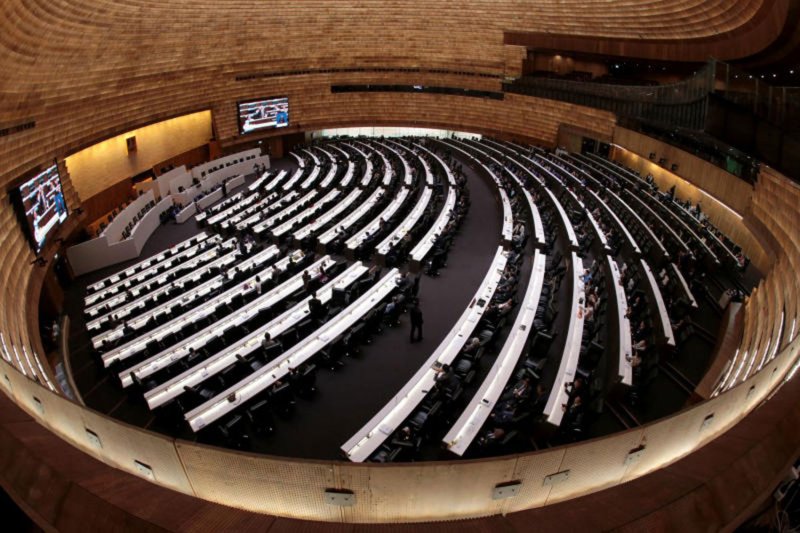
A proposal to abolish the pension fund for former MPs in Thailand has sparked significant debate among parliament members, focusing on issues of fairness and financial sustainability. This discussion comes amid a financial deficit of 23.1 million baht for the fund in the fiscal year 2024, with reports indicating that total income reached 211 million baht against expenditures of 234 million baht.
During a parliamentary session held on Thursday, the Secretary-General of the Parliament, Siroj Vaithavan, presented a report on the fund's financial situation, raising concerns about its sustainability. Dr. Warong Dechgitvigrom, leader of the Thai Pakdee party, criticized the system, deeming it a taxpayer-supported privilege and warning that its structure is unsustainable and could lead to greater losses.
Details of the Event
Dr. Warong stated, "I can clearly say that this fund will eventually turn into a deficit." He noted that MPs contribute 3,500 baht monthly but receive benefits far exceeding that amount, which he considers unfair to the public. These benefits include pensions, medical coverage up to 130,000 baht annually, educational support for two children through university, and disability payments.
Dr. Warong also questioned, "When we are no longer in office, should the public really support us for life?" He proposed completely abolishing the pensions. However, this proposal faced opposition within parliament, as Noppon Luangthongnara, a member of the Future Forward party, argued that abolishing pensions could threaten the financial security of former MPs, noting that some live in shelters.
Background & Context
Historically, the pension fund for former MPs was established as part of a support system for politicians after their term of service. However, the financial challenges currently facing the fund reflect broader issues related to social justice and transparency in the management of public funds. In recent years, there has been increasing pressure on governments worldwide to reassess how public money is spent, especially amid rising economic crises.
This discussion comes at a sensitive time for Thailand, as the country faces multiple economic challenges, including the impacts of the COVID-19 pandemic. Under these circumstances, there is heightened focus on how state financial resources are managed, making the issue of MPs' pensions a contentious topic.
Impact & Consequences
If the pension fund is abolished, it could significantly affect the lives of many former MPs and their families. This decision may also spark broader discussions about how to support politicians after their service ends, potentially leading to changes in social policies in the country. On the other hand, maintaining pensions could exacerbate feelings of discontent among citizens who perceive public funds as being spent unfairly.
This issue requires a delicate balance between preserving the rights of former MPs and ensuring financial justice. Additionally, the debate around this topic may open the door for further reforms in Thailand's political and financial systems.
Regional Significance
The issue of former MPs' pensions in Thailand is similar to challenges faced by other countries in the Arab region, where many nations grapple with managing public financial resources. In some Arab countries, there are calls for reforming financial and political systems to ensure transparency and accountability. Thailand's experience in this area could serve as an important lesson for Arab nations seeking similar reforms.
In conclusion, the issue of former MPs' pensions in Thailand remains a significant point of interest, reflecting the financial and social challenges facing the country. It is crucial that discussions on this topic continue to ensure social justice and financial sustainability.