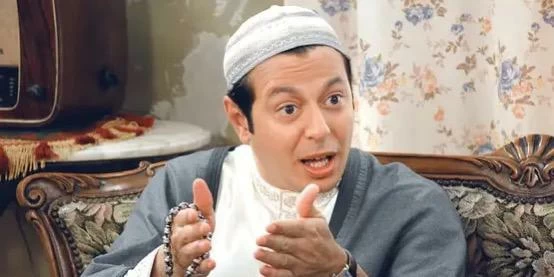
Recent reports circulating in the past hours have ignited a debate regarding the possibility of presenting a new season of the series 'The Fourth Wife', which starred Egyptian actor Mustafa Shaaban during the Ramadan drama season of 2027. This controversy has led the creators of the show to respond decisively to these rumors.
Both the writer Ahmad Abdel Fattah and director Magdy El Hawary categorically denied any intention or actual moves to produce a new season of the series. They confirmed that what is being circulated on social media has no basis in reality, emphasizing that the rights to the idea and the dramatic treatment have been officially documented in their names for years.
Details of the Event
The creators of the show clarified in an official statement that the rights to the idea grant them sole authority to decide on the re-presentation of the work, without interference from any other party. They pointed out that previous agreements did not include any clauses allowing for the production of a second season, which means that executing any project related to the series without their explicit consent would constitute a legal violation that could warrant accountability.
In contrast, actor Mustafa Shaaban confirmed in press statements that he received a proposal to participate in a new season of the series, but he is still in the consideration phase and has not made a final decision yet. He explained that his participation depends on the strength of the idea and the quality of the script, in addition to the necessity of having a complete agreement among all the cast and creators before taking the execution step.
Background & Context
The series 'The Fourth Wife' premiered for the first time during Ramadan 2012 and achieved significant success during that period, featuring a group of prominent stars such as Leqa Al Khamisi, Heba Magdy, Aiten Amer, Dorra, Ola Ghanem, Hassan Hosny, and Mohamed El Bazawy. The script was written by Ahmad Abdel Fattah and directed by Magdy El Hawary.
The plot of the series revolves around social issues related to marriage and women, which has made it widely popular among viewers. Over the years, demands for a revival of the work have increased, especially in light of the success of drama productions that reintroduce old stories in a new style.
Impact & Consequences
The rumors surrounding the production of a new season of 'The Fourth Wife' serve as evidence of the impact that drama productions have on the audience, as these works remain tied to viewers' memories. If a new season is produced, it could help revive memories of the original work and enhance its status in cultural memory.
On the other hand, these rumors may affect the future plans of the creators, as it may require a reassessment of current and future projects based on audience reactions and trends.
Regional Significance
Egyptian drama is considered one of the most prominent forms of art in the Arab world, playing an important role in shaping culture and society. Reviving successful dramatic works could contribute to strengthening cultural identity and reflecting the developments within Arab society.
In conclusion, the question remains open regarding the possibility of producing a new season of 'The Fourth Wife', and whether this idea will materialize in the near future. The audience's interaction with this news could significantly influence the decisions of the creators.