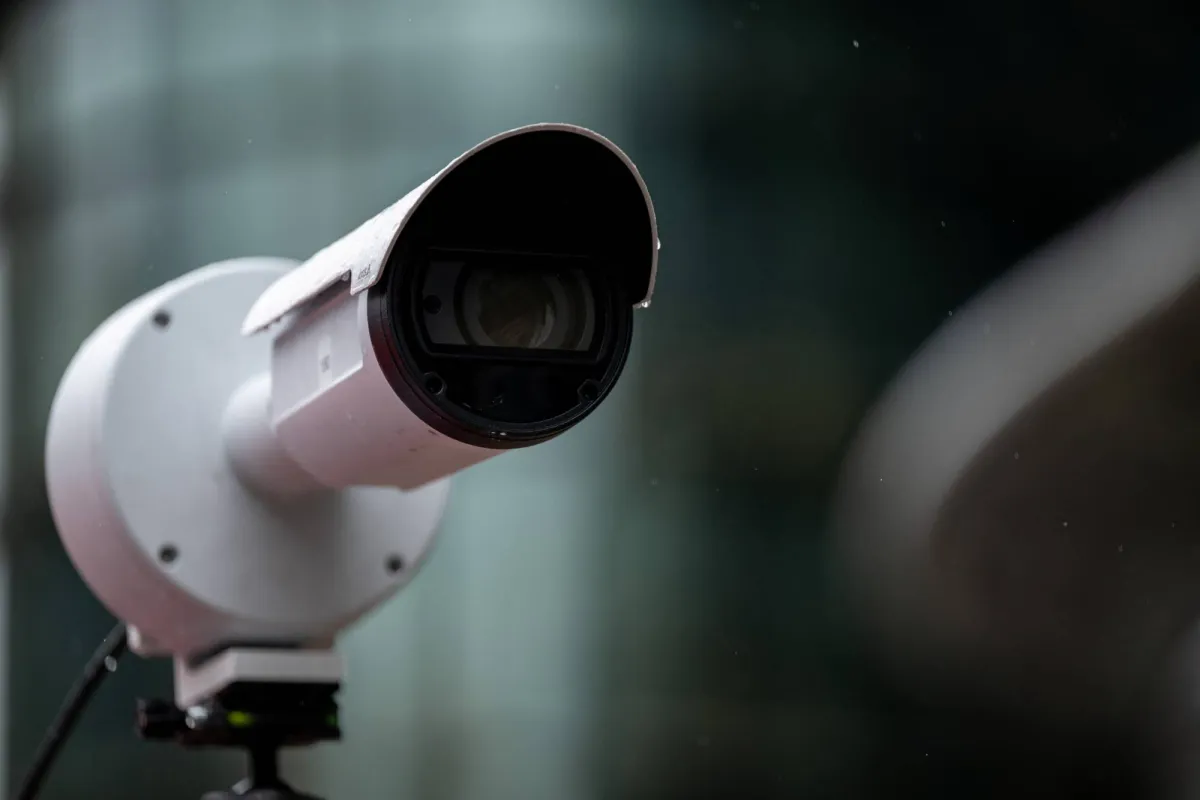
London's police are employing face recognition technology in the streets, integrating tourists and shoppers into a digital identity verification process. The cameras capture images of passersby and analyze their features, comparing them against wanted lists, raising significant privacy concerns.
This operation is part of a substantial shift in policing methods, with authorities reporting that it has aided in the arrest of approximately 2,500 suspects since the beginning of 2024, including individuals suspected of violent and sexual crimes.
Details of the Implementation
Despite the potential security benefits, the use of this technology faces sharp criticism. Opponents argue that instant face recognition undermines the presumption of innocence, treating all passersby as potential suspects. Last month, a legal challenge by human rights activists against the use of this technology was dismissed, paving the way for its expanded use.
In the Victoria area of London, many individuals did not express concern over the presence of cameras, although alerts from the system led to some individuals being questioned by police. In one instance, a man was arrested due to existing judicial restrictions, highlighting how this technology can impact individuals' lives.
Background & Context
The UK is among the leading countries in the use of surveillance cameras, with London residents being filmed hundreds of times daily. Face recognition technology relies on converting facial features into biometric data that is compared against a watchlist of around 17,000 individuals, raising concerns about the accuracy of this technology.
Concerns are mounting that this technology may lead to mass surveillance, with the organization