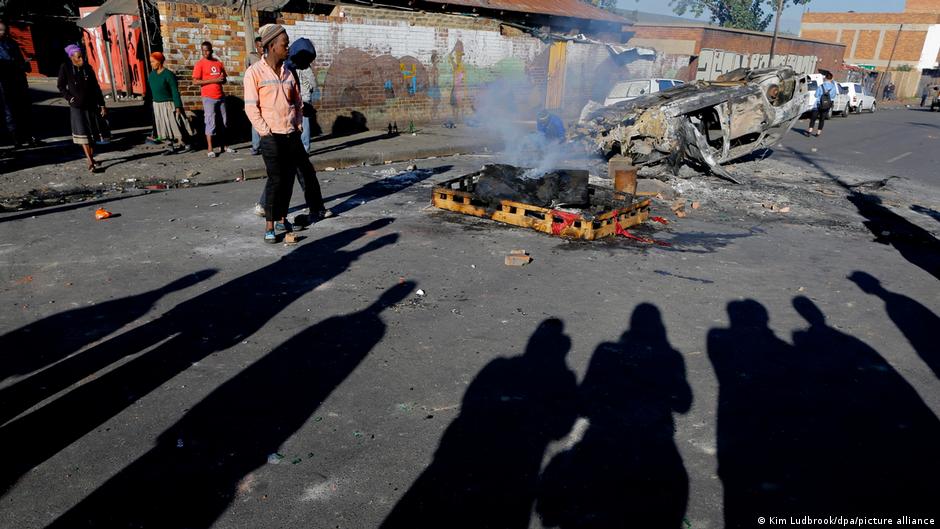
Tensions against migrants are escalating in parts of South Africa, raising questions about the government's effectiveness in addressing xenophobia. Despite the government's condemnations of violence against migrants, critics argue that preventive measures are weak and arrests are limited.
The country has witnessed repeated waves of violence targeting migrants from countries such as Zimbabwe, Nigeria, Somalia, Ethiopia, Malawi, Mozambique, Ghana, and Zambia. Earlier this month, Nigeria summoned the South African High Commissioner, citing increasing protests against African migrants.
Details of the Events
In 2008, over 60 people were killed in riots against migrants, with unrest recurring in 2015 and 2016. In 2019, foreign-owned businesses in Johannesburg were attacked, resulting in the deaths of 12 individuals, ten of whom were South African citizens.
Violence is often linked to dissatisfaction with unemployment, crime, overcrowded services, and poor living conditions, complaints that are frequently directed towards migrants. However, Lauren Landau, a senior researcher at the Migration and Society Centre at the University of the Witwatersrand, emphasizes that the roots of the problem run deeper.
Background & Context
Historically, South Africa has experienced periods of racial and social tensions, with migrants being scapegoated for deeper economic and social issues. In the face of tough economic conditions, public anger is directed towards migrants, exacerbating the situation.
This phenomenon is evident in the rise of movements like Operation Dudula, which calls for combating illegal immigration. While supporters argue that illegal immigration strains jobs, healthcare, and housing, critics warn that such movements may fuel xenophobia and violence.
Impact & Consequences
Concerns are growing that official reactions may exacerbate tensions rather than alleviate them. Vusimuzi Sibanda, head of the refugee advocacy group African Diaspora Global Network, noted that some official responses could intensify the situation, pointing to the use of rubber bullets to disperse vulnerable individuals seeking protection during unrest.
Former South African President Thabo Mbeki remarked that the country's problems are not a result of illegal immigration but stem from failed government policies in areas such as security and the economy.
Regional Significance
These events hold particular significance for the Arab region, where many countries face similar challenges related to migration and displacement. Additionally, relations between African and Arab nations are affected by the tensions in South Africa, necessitating enhanced regional cooperation to address these issues.
In conclusion, there remains hope that the government can effectively tackle these challenges, allowing migrants to live in peace and safety in South Africa.