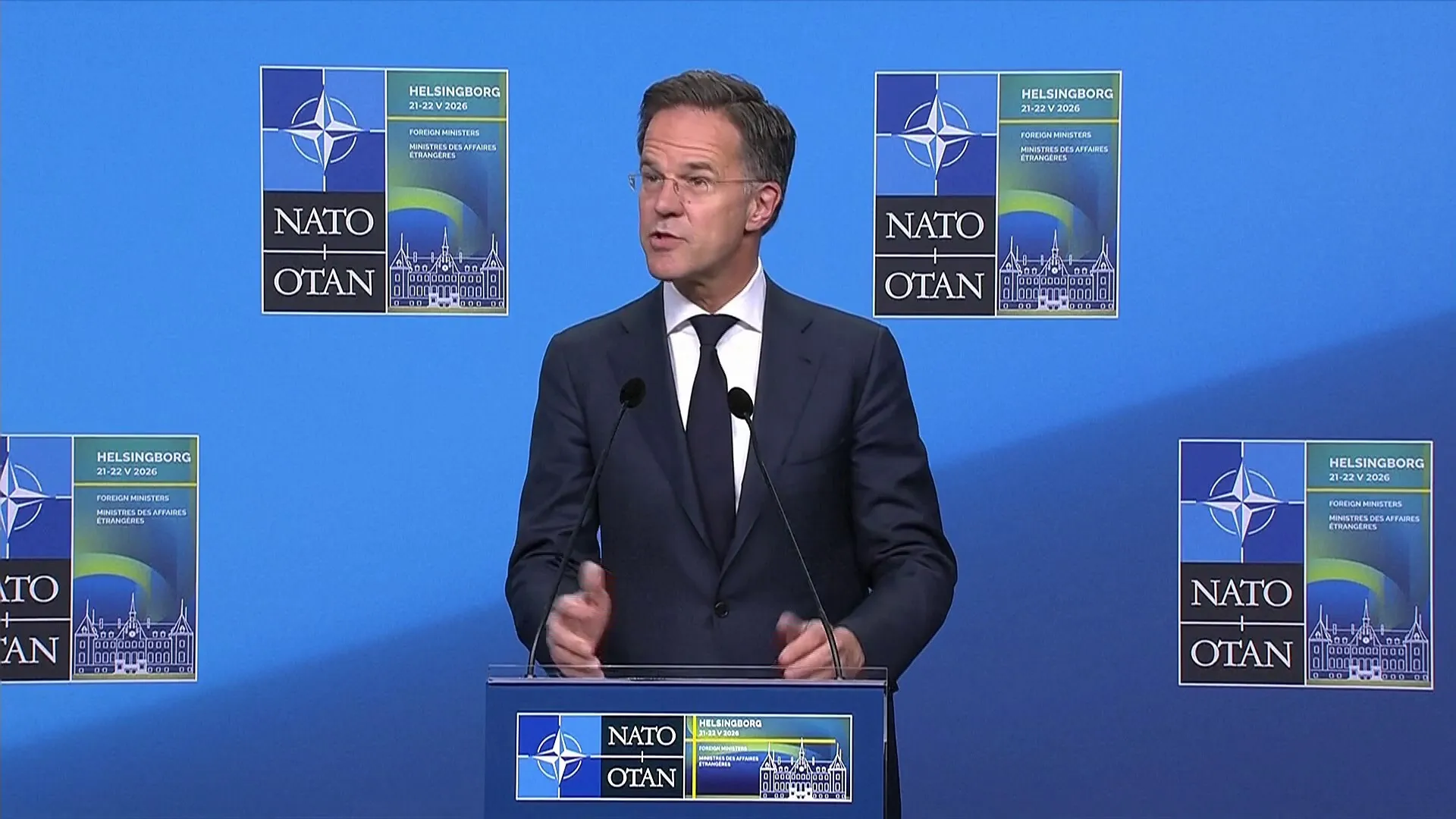
NATO foreign ministers gathered today, Friday, in Helsingborg, Sweden, to discuss vital issues concerning European security, including the freedom of navigation in the Strait of Hormuz, support for Ukraine, and the increase of European defense spending.
This meeting is part of the preparations for the upcoming NATO summit scheduled to take place in Ankara, Turkey, in six weeks, where ministers are focusing on enhancing defense cooperation among member states.
Key Issues Discussed
During the meeting, the ministers addressed three main topics, the first being the situation in the Strait of Hormuz and its impact on freedom of navigation. NATO Secretary General Mark Rutte emphasized the importance of this principle, which cannot be compromised. He noted that Iran has no right to impose any form of protection over this international passage.
The issue of supporting Ukraine amid ongoing tensions with Russia was also discussed, with Rutte mentioning that the front lines are witnessing some progress in reclaiming territory, although this progress remains limited. He praised the capabilities of Ukrainian forces in innovation and the use of modern technologies such as drones.
Regarding defense spending, Rutte reported that European spending has increased by 25% by the year 2025, reflecting the commitment of member states to achieve the historic target set at the Hague summit.
Background & Context
These meetings coincide with rising tensions in the Middle East, where the Strait of Hormuz is considered one of the most crucial maritime corridors in the world, through which approximately 20% of global oil supplies pass. The region has witnessed an escalation in military activities and tensions between Iran and Western countries in recent years.
NATO member states are seeking to enhance their presence in the region through multiple initiatives, including cooperation with around 40 countries as part of efforts to secure navigation in the strait. France continues to expand its presence in the area through a French-British-American initiative.
Impact & Consequences
NATO's statements underscore the significance of freedom of navigation in the Strait of Hormuz, reflecting the alliance's commitment to protecting the maritime interests of member states. This approach may lead to enhanced military cooperation among member countries and an increased military presence in the region, which could help reduce tensions.
On the other hand, these developments may impact relations between Iran and Western countries, as tensions are likely to rise due to military and political pressures. Additionally, the increase in European defense spending may contribute to improving the military capabilities of NATO member states.
Regional Significance
The Middle East, particularly the Strait of Hormuz, is a strategic hub for regional and international security. Strengthening NATO's presence in the region may affect regional dynamics, as other countries may seek to bolster their military capabilities to face potential threats.
These developments could also influence global oil prices, as any escalation in the region may lead to a spike in oil prices, affecting Arab economies that heavily rely on oil exports.
In conclusion, the situation in the Strait of Hormuz remains under close scrutiny by the international community, with growing concerns about any escalation that could impact regional and global security.