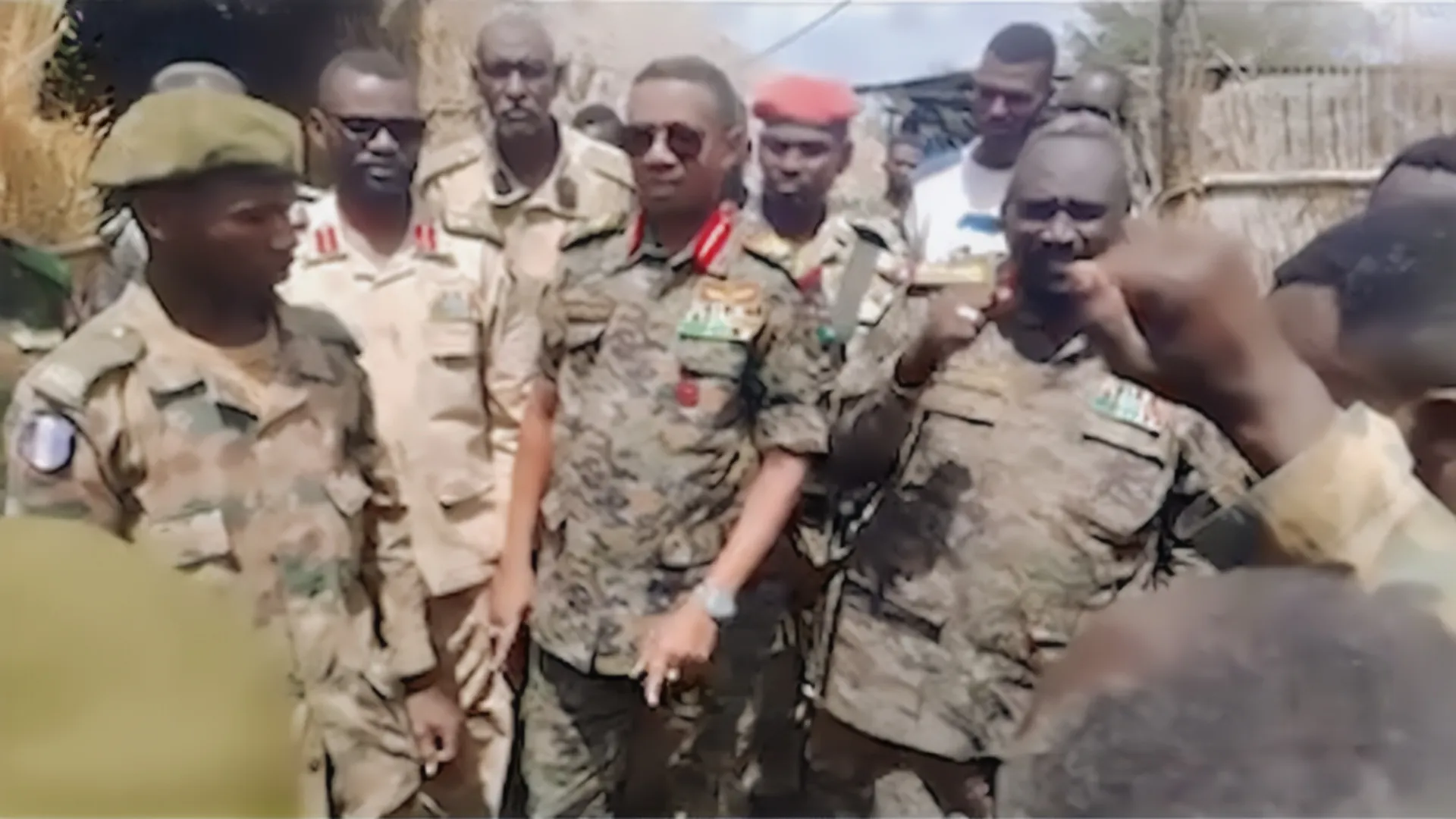
The Blue Nile regional government has declared a state of emergency to confront what it describes as aggression in southern areas of the region. This decision comes at a time when the region is witnessing a noticeable escalation in fighting, with increasing clashes between the Sudanese Armed Forces, the Rapid Support Forces, and the Sudan People's Liberation Movement-North.
Simultaneously, reports indicate that the Rapid Support Forces and the Sudan People's Liberation Movement have managed to seize control of the city of Kurmuk and other areas, resulting in the displacement of thousands of families from conflict zones. These developments raise concerns about the deteriorating humanitarian situation in the region, where displaced individuals face significant challenges in accessing essential humanitarian aid.
Details of the Incident
Information suggests that the Sudanese Armed Forces have bolstered their military presence in the region, with commitments to decisively confront the Rapid Support Forces. This occurs at a sensitive time, as fears grow regarding the worsening security and humanitarian conditions in the area. Images and videos circulated on social media depict scenes of violent clashes, reflecting the extent of the tension in the region.
Additionally, there are reports indicating that many displaced families find themselves in dire circumstances, lacking shelter, food, and healthcare. International humanitarian organizations have expressed their readiness to provide assistance, but access to affected areas remains a significant challenge.
Background & Context
Historically, the Blue Nile region has experienced multiple conflicts, serving as a meeting point for various ethnic and cultural groups. The conflict in the region dates back many years, with government forces clashing with rebel movements demanding autonomy and development. These conflicts often intersect with political and economic crises in Sudan, complicating the situation further.
Since the onset of the conflict in Sudan, many areas have been affected by armed conflicts, exacerbating humanitarian conditions. The Blue Nile region, which suffers from poverty and resource scarcity, is among the most affected areas, where residents live in extremely difficult conditions.
Impact & Consequences
The repercussions of these events could be severe for the entire region. The escalation of fighting may worsen humanitarian conditions, increasing the number of displaced individuals and complicating relief efforts. Furthermore, the continuation of the conflict could negatively impact political stability in Sudan, potentially escalating tensions between the government and rebel groups.
Moreover, the conflict in the Blue Nile could affect relations between Sudan and neighboring countries, as it may lead to an influx of refugees into these countries, increasing pressure on them. The situation may also raise concerns for the international community, which might intervene more actively in an attempt to mitigate escalation.
Regional Significance
The events in the Blue Nile region are part of the larger picture of crises in the Arab region. Armed conflicts in Sudan reflect the challenges faced by many Arab countries amid political and economic crises. Additionally, the conflict in Sudan could impact regional stability, potentially escalating tensions in other areas.
In this context, Arab countries and the international community must take effective steps to support peace and stability efforts in Sudan and work to provide humanitarian assistance to those affected by the conflict.
In conclusion, the situation in the Blue Nile region requires urgent attention from the international community, as the continuation of the conflict will exacerbate humanitarian conditions and increase the suffering of the population. There should be coordinated efforts to support peace and development in the region to ensure that humanitarian and political crises do not worsen.