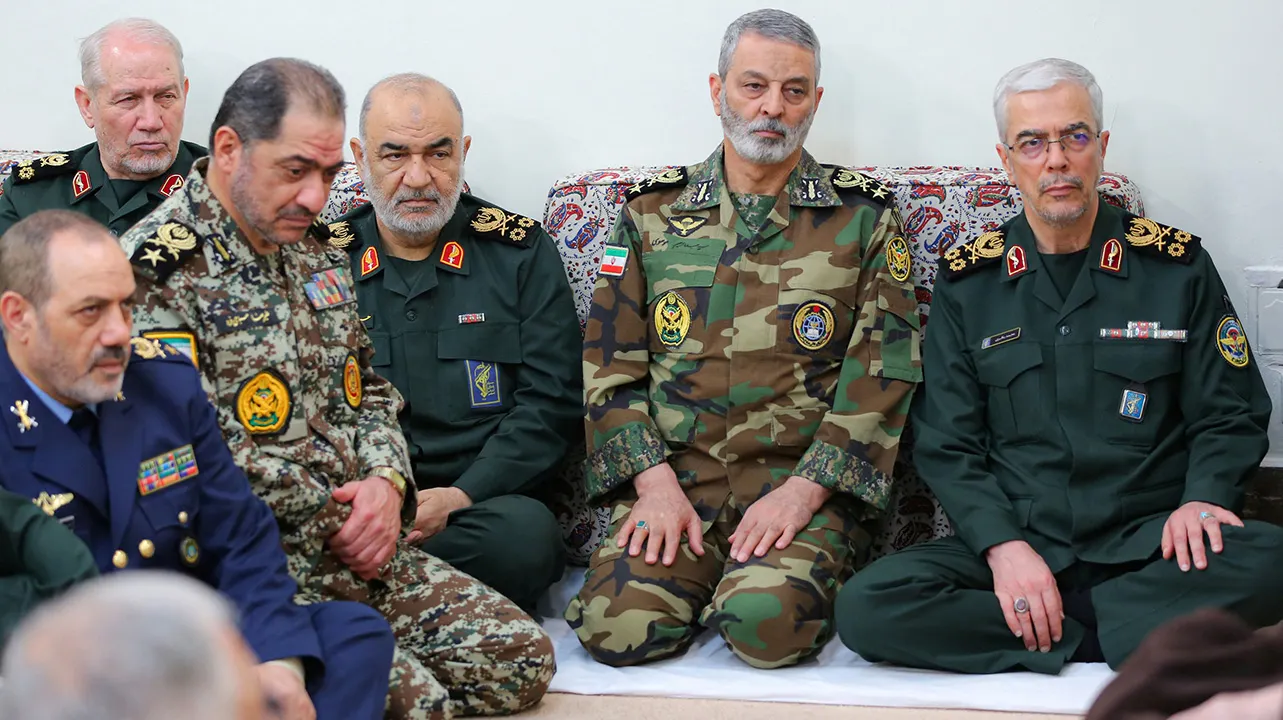
The U.S. Central Command (CENTCOM) has reported that it no longer observes any significant activity from the Iranian navy or air force, raising questions about the military situation in the region. This announcement comes at a sensitive time as the Iranian regime faces internal and external pressures.
These statements indicate a decline in Iranian military activities, which could have significant implications for the military balance in the Middle East. In recent years, Iran has sought to enhance its military presence in the Arabian Gulf, causing concern among neighboring countries and the United States.
Details of the Event
The spokesperson for CENTCOM clarified that available information indicates a lack of traditional military activities that Iran typically conducts at sea and in the air. This decline may be attributed to several factors, including economic sanctions imposed by the United States, which have significantly impacted Iran's ability to finance its military operations.
Additionally, the internal situation in Iran, including popular protests and economic pressures, may play a role in reducing military activities. Some analysts have suggested that the Iranian regime may be focusing more on addressing domestic issues rather than pursuing military expansion abroad.
Background & Context
Historically, Iran has been considered one of the major military powers in the Gulf region, seeking to enhance its influence by supporting militias in Iraq, Syria, and Lebanon. However, increasing tensions with the United States and its allies, along with economic pressures, have led to a reassessment of its military strategies.
In recent years, the region has witnessed a surge in military activities by Iran, including attacks on oil tankers and critical facilities. However, with the decline of these activities, regional dynamics may change significantly.
Impact & Consequences
The decline in Iranian military activity could lead to relative stability in the Gulf region, providing neighboring countries with an opportunity to strengthen their economic and political relations. Furthermore, this reduction may ease tensions between Iran and the United States, potentially opening the door for new negotiations regarding Iran's nuclear program.
However, this situation must be approached with caution, as any changes in Iranian policy could lead to renewed escalation in the future. The stability of the region depends on how other countries respond to this decline in Iranian activity.
Regional Significance
For Arab countries, the decline in Iranian activity could have both positive and negative effects. On one hand, it may lead to reduced tensions in the Gulf, enhancing regional security. On the other hand, some Arab nations may be concerned that Iran could exploit this decline to reassess its strategies in supporting militias in Iraq and Syria.
Ultimately, the situation in the region remains complex and requires close monitoring by all concerned parties. Changes in Iranian military activities could directly impact security and stability in the Middle East.