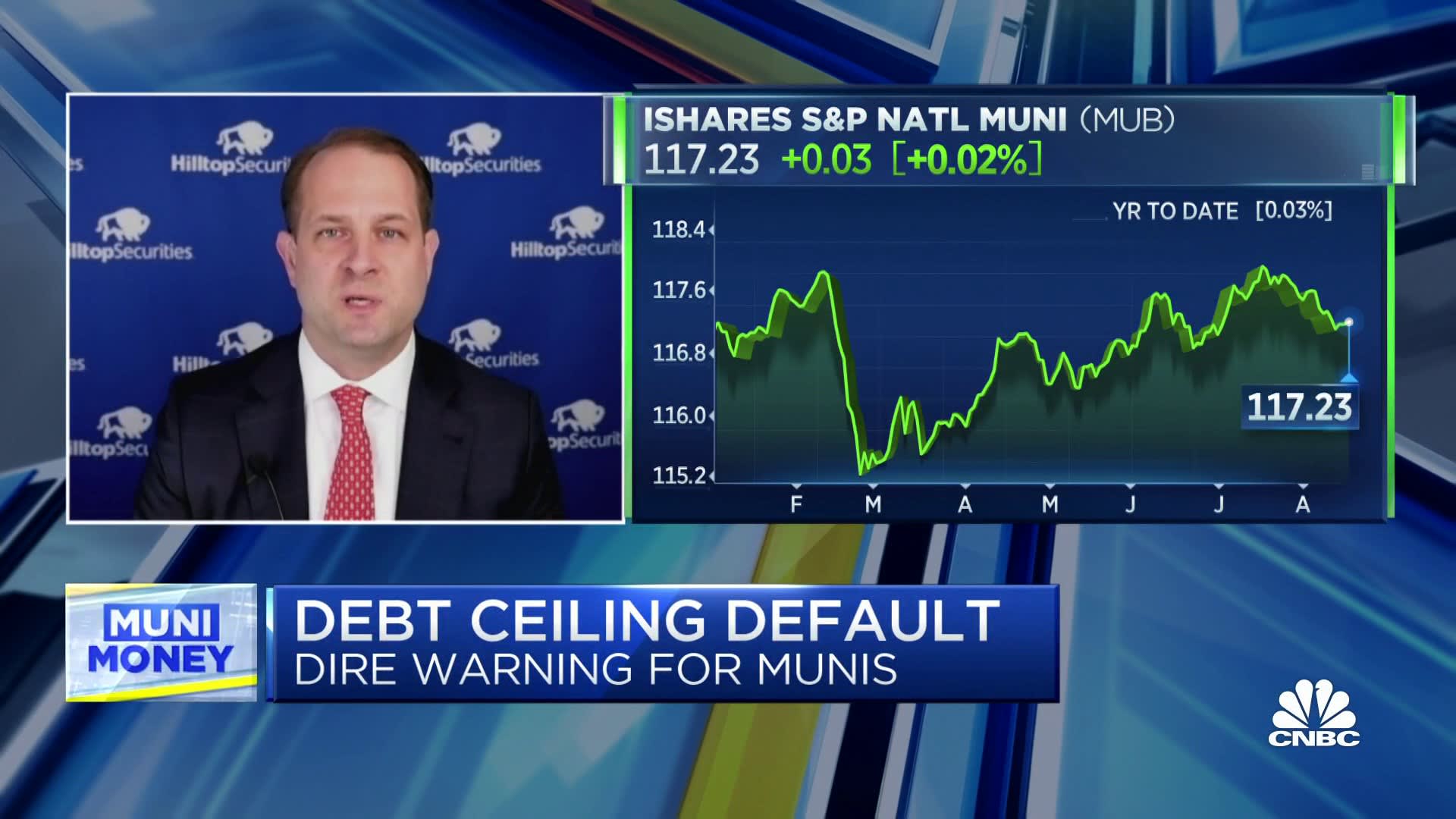
The US municipal bond market has undergone a significant transformation in recent days, with reports indicating that the market has suffered its worst performance in over two years. This drop in prices has made municipal bonds more attractive to investors looking for new opportunities to increase their investments in tax-exempt assets.
In an interview with the "Bloomberg Markets" program, Jennifer Johnston, Vice President and Senior Research Director for Municipal Bonds at Franklin Templeton, confirmed that the substantial decline in bond prices has opened the door for investors to return to the market after a period of hesitation due to rising interest rates.
Details of the Event
Data shows that the US municipal bond market has experienced a significant decline in prices, affecting their yields. This downturn comes at a time when investors are facing increasing economic pressures, as they seek to achieve better returns under the current economic conditions. This decline has drawn the attention of investors who wish to take advantage of the lower prices.
Municipal bonds are considered attractive investment options, as they offer tax-exempt returns, making them a preferred choice for many investors, especially in light of rising interest rates on other government bonds. However, the current economic challenges may make it difficult for some investors to make bold investment decisions.
Background & Context
Historically, the municipal bond market has seen significant fluctuations, being directly affected by monetary and economic policies. In recent years, there has been a notable increase in interest rates, which has negatively impacted bond prices. However, the current decline in prices may represent an opportunity for investors seeking long-term investments.
It is worth noting that municipal bonds play an important role in financing public projects, such as building schools, roads, and hospitals. Therefore, any changes in the bond market can affect local governments' ability to fund these projects.
Impact & Consequences
The decline in municipal bond prices could lead to an increase in demand for these assets, which may help stabilize the market in the long term. If investors continue to return to the market, we may witness a recovery in prices, which could enhance local governments' ability to finance their projects.
On the other hand, this trend may increase pressure on interest rates, as investors seek higher returns. This could affect the economy as a whole, as borrowing costs for public and private projects may be impacted.
Regional Significance
In light of the volatile global economic conditions, trends in the US municipal bond market may have indirect effects on financial markets in the Arab region. Arab investors with investments in US bonds may be affected by changes in prices and yields, prompting them to reassess their investment strategies.
Moreover, these changes may influence foreign investment flows into the region, as investors seek better opportunities in other markets. Thus, monitoring developments in the US municipal bond market will be crucial for Arab investors.