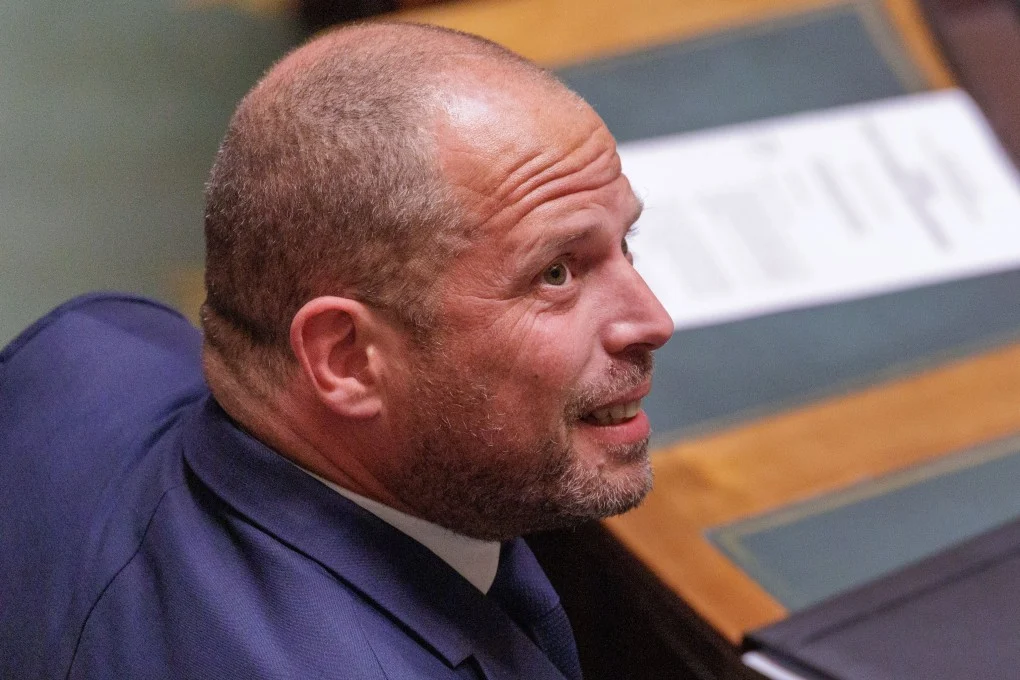
Belgian Defense Minister Theo Francken has disclosed a profound crisis in the relationship between the United States and NATO, indicating a growing sense of frustration from both sides. This statement was made during his speech at a think tank event in Washington, where he emphasized the necessity for Washington to stand by its allies, warning that failure to do so could result in a diminished role for the United States on the international stage.
Francken characterized the relationship between the United States and NATO as akin to a "marriage crisis," stating, "It is very difficult to see how this relationship can continue under the current circumstances." He noted that this crisis comes after nearly 80 years of close cooperation between the two sides, raising concerns about the future of the alliance.
Challenges Facing NATO
Francken discussed the challenges NATO faces amid increasing tensions among its members, highlighting the urgent need to reassess current strategies. He pointed out that the military alliance established after World War II is under unprecedented pressure due to current geopolitical changes.
He also mentioned a growing sense of distrust among NATO member states, complicating the situation further. He stressed the importance of enhancing military cooperation and coordination among member countries to address shared challenges.
Background & Context
NATO was established in 1949 in response to the security challenges faced by Western nations after World War II. Since then, NATO has become a symbol of military cooperation among member states, playing a crucial role in maintaining stability in Europe. However, the current tensions between the United States and European nations indicate a shift in the traditional dynamics of this alliance.
Francken's remarks come at a sensitive time, as concerns grow over escalating tensions between the United States and Russia, in addition to challenges posed by China. These factors make it essential to reconsider NATO's strategies to ensure its continued effectiveness.
Impact & Consequences
The crisis of trust between the United States and its allies could have serious repercussions for European and global security. If this crisis persists, member states may seek alternative alliances, potentially undermining NATO's position as a unified military force.
Moreover, a decline in the United States' role within NATO could open the door for other powers like China and Russia to enhance their influence in the region, further complicating the global security landscape.
Regional Significance
The relationship between the United States and NATO is pivotal for international security, and any deterioration in this relationship could impact global stability. The ongoing crisis highlights the need for a reassessment of alliances and strategies to ensure that NATO remains a relevant and effective force in addressing contemporary security challenges.
In conclusion, the remarks by Minister Francken underscore the urgency of addressing the underlying issues in the US-NATO relationship to prevent further erosion of trust and cooperation among allies.