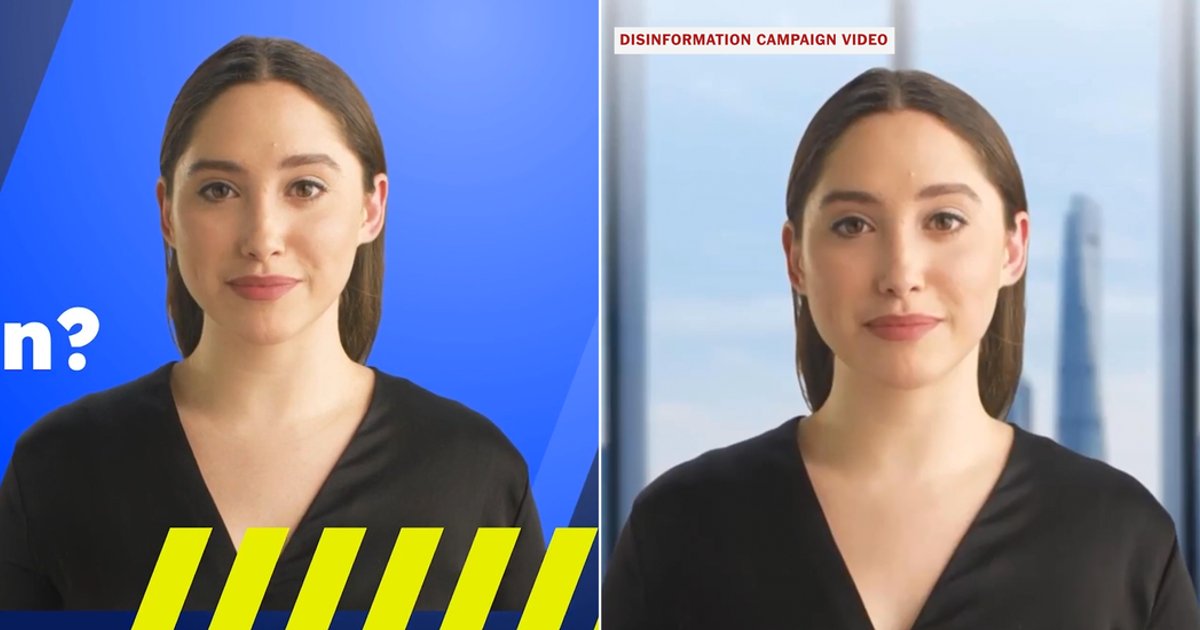
The United States is gearing up to face new challenges in the upcoming elections scheduled for 2026, where deepfake technology is anticipated to play a crucial role in shaping public opinion. This technique, which relies on artificial intelligence, enables the creation of videos and audio that appear entirely realistic, raising questions about the credibility of information shared in the digital realm.
Election campaigns are utilizing this technology to create content that can influence voters, complicating the media landscape. Under these circumstances, it becomes increasingly difficult for voters to distinguish between truth and fiction, placing additional pressure on media and political institutions.
Details of the Event
Deepfake technology is not new, but it has seen significant advancements in recent years. This technology has been used in various fields, including cinema and advertising, but it is now making its way into the political arena. Election campaigns in the United States, considered among the most complex in the world, could benefit greatly from this technology.
Reports indicate that some candidates have already begun using fake videos to tarnish the reputations of their opponents or to present themselves in a more favorable light. This unchecked use can lead to the proliferation of misinformation, increasing distrust among voters.
Background & Context
Historically, the United States has witnessed numerous election campaigns affected by misinformation, but deepfake technology represents a qualitative leap in this trend. In previous elections, false information spread through social media platforms, but now, fake videos can be used directly to alter voters' perceptions.
In 2020, there were attempts to use misinformation in election campaigns, but deepfake technology could take this issue to an entirely new level. With the increasing reliance on social media as a primary news source, it is essential to understand how this technology impacts democracy.
Impact & Consequences
The implications of using deepfake technology in election campaigns could be far-reaching. It may lead to widespread skepticism among voters, undermining the credibility of the entire electoral process. Furthermore, this situation could open the door to more external interventions in the internal affairs of the United States, as this technology could be exploited by foreign entities to sow chaos and destabilize the nation.
Moreover, this technology may affect how voters interact with information. In the presence of fake content, it may become challenging for voters to make informed decisions, leading to unexpected electoral outcomes.
Regional Significance
As the United States faces these challenges, Arab countries must be aware of this phenomenon. Deepfake technology could also be used in electoral campaigns in Arab nations, necessitating preventive measures to ensure electoral integrity. This phenomenon may also influence how information is consumed in the region, requiring governments and civil societies to collaborate to address this challenge.
In conclusion, deepfake technology poses a significant challenge to democracy in the United States and may have similar effects in Arab countries. It is crucial to be aware of these challenges and to work towards enhancing awareness of how to deal with misinformation.