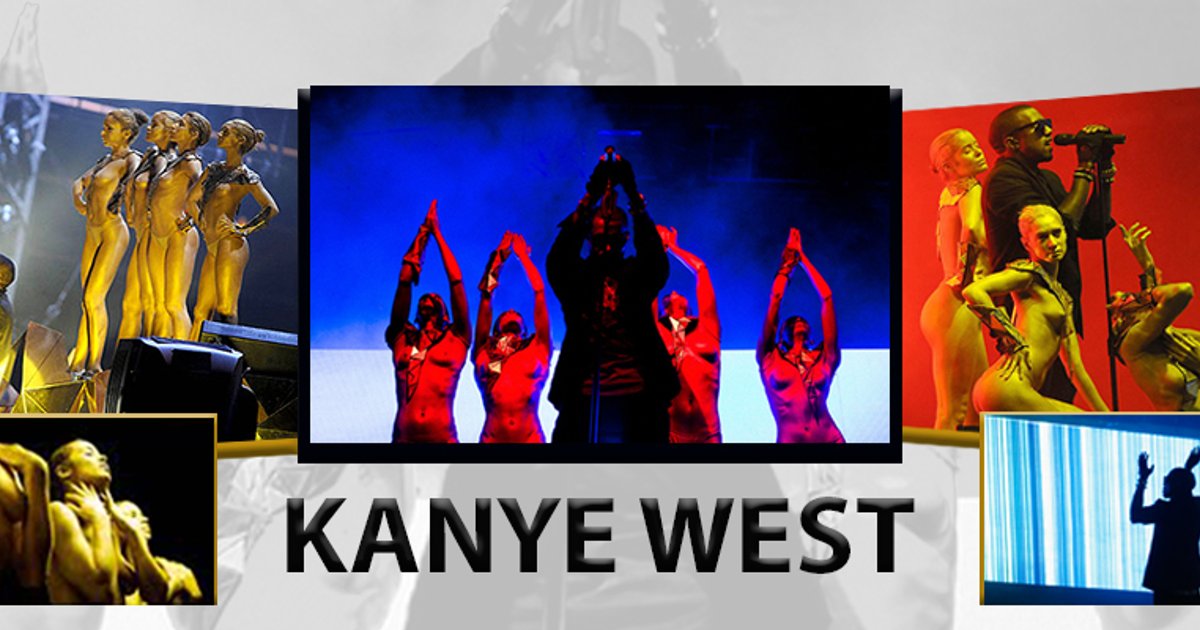
The director of the Wireless Festival, Melvin Ben, has defended the decision to select American artist Kanye West as the headliner for the festival scheduled to take place in July, emphasizing the importance of 'forgiveness' in a world characterized by increasing division.
These remarks follow widespread negative reactions, with several sponsors, including Pepsi, withdrawing their support for the event due to the controversy surrounding West's past, which includes releasing a song titled 'Heil Hitler' and selling shirts featuring Nazi symbols last year. Despite later apologizing, West indicated that he suffers from bipolar disorder.
Event Details and Controversy
The Wireless Festival is considered one of the premier music events in the UK, bringing together a large number of artists and musicians. However, the choice of Kanye West has sparked significant controversy, with many believing that his controversial past does not align with the festival's values. Ben pointed out that 'forgiveness and giving people a second chance have become a lost virtue in this increasingly divided world.'
It is worth noting that the British government is currently considering whether West should be allowed to enter the UK, complicating the situation for the festival. Organizers are preparing to face further pressure from sponsors and the public in the coming days.
Background & Context
Kanye West, known for his innovative musical works, has faced numerous criticisms in recent years due to his controversial statements and actions. Last year, he sparked widespread outrage by releasing a song titled 'Heil Hitler,' leading to angry reactions from the community. He also sold shirts featuring Nazi symbols, which intensified the criticism directed at him.
Despite apologizing for these actions, many sponsors and politicians remain concerned about the impact of his presence at the festival. This controversy is part of a larger phenomenon regarding artistic freedom and its limits, as many question the extent to which society accepts artistic works that cross ethical boundaries.
Impact & Consequences
The decision to choose Kanye West as the headliner could have significant implications for the Wireless Festival, potentially affecting attendance and sales. The withdrawal of sponsors like Pepsi may indicate that major companies are cautious about associating with artists embroiled in significant controversy.
Moreover, this debate may open discussions about freedom of expression and art, and the extent to which artists' pasts influence their professional futures. In a world marked by increasing division, it may be challenging for organizers to make decisions that balance freedom of expression with ethical principles.
Regional Significance
While the controversy surrounding Kanye West seems to be concentrated in the UK, it has broader implications for the Arab world. Arab artists also face similar challenges related to artistic freedom and censorship, with many questioning how to deal with artists who provoke controversy.
This issue could serve as an important lesson for Arab artists on how to manage their reputations in the age of social media, where their statements and actions can significantly impact their careers.
In conclusion, the choice of Kanye West as the headliner for the Wireless Festival reflects the challenges facing the music industry in dealing with ethical and controversial issues. In a world characterized by division, the question remains: can art transcend ethical boundaries?