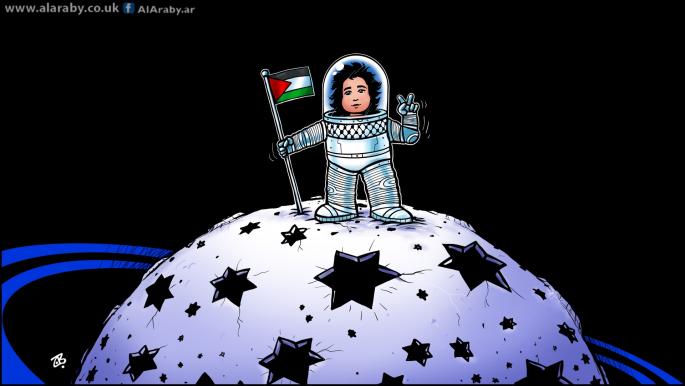
Palestinians face a significant challenge in defining genocide as a framework to understand the existential threat to their cause. This call comes at a time when the Israeli-Palestinian conflict is witnessing escalating tensions, necessitating a reevaluation of the strategies employed to confront these challenges.
Concerns are growing that the current situation may exacerbate humanitarian and political crises in the Palestinian territories. In this context, Palestinians must deeply consider how to confront these challenges through strategies that go beyond traditional methods.
Details of the Situation
The current circumstances require Palestinians to recognize that genocide is not merely a legal term but a reality that the Palestinian people have lived through for decades. This reality is manifested in Israeli policies aimed at undermining Palestinian identity and depriving them of their basic rights.
These policies include forced displacement, home demolitions, and arbitrary arrests, contributing to the perpetuation of genocide. Therefore, understanding this situation is essential for developing effective strategies to address the current challenges.
Background & Context
Historically, the Palestinian cause has undergone numerous transformations, from the Nakba in 1948 to the Oslo Accords in the 1990s. However, these agreements did not lead to the desired peace but rather complicated the situation further. Today, Palestinians live under ongoing occupation, heightening their sense of existential danger.
This issue intersects with regional conflicts, including the war with Iran, which affects political balances in the region. The tensions between Iran and Israel cast a shadow over the Palestinian situation, adding new complexities to the conflict.
Impact & Consequences
Failing to address the genocide situation could exacerbate humanitarian crises in the Palestinian territories. Ignoring this reality may also contribute to deepening internal divisions among Palestinian factions, weakening their ability to confront challenges.
The current phase requires Palestinians to unify their efforts and adopt comprehensive strategies to confront the occupation. These strategies should include raising international awareness of the Palestinian cause, documenting violations, and activating pressure tools on the international community.
Regional Significance
The Palestinian cause directly impacts stability in the Arab region. The ongoing conflict fosters feelings of frustration and anger among Arab peoples, potentially leading to heightened tensions in other countries. Any solution to the Palestinian issue must consider regional and international dimensions.
Ultimately, the Palestinian situation today requires a comprehensive response from all concerned parties. There must be a global recognition of the genocide faced by Palestinians and efforts to achieve justice and peace in the region.