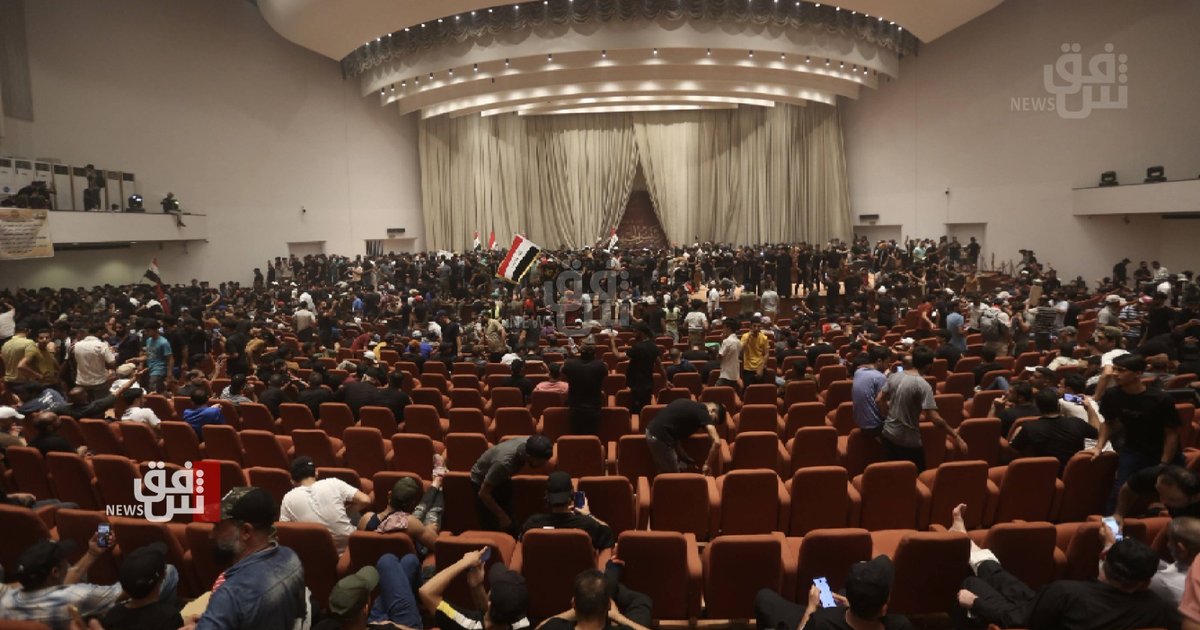
Moqtada Al-Sadr's absence from the Iraqi political scene reflects a lack of internal changes prompting his return. This situation coincides with escalating tensions between Israel and Iran, further complicating the political landscape in the country.
As one of the most prominent political figures in Iraq, Al-Sadr made the decision to withdraw from politics at a sensitive time when regional tensions are on the rise. His absence raises questions about the future of the Sadrist movement and its role in Iraqi politics.
Details of the Event
Recently, Moqtada Al-Sadr announced his retirement from political work, which sparked mixed reactions in political and popular circles. This decision comes at a time when the region is witnessing an escalation in the conflict between the United States and Israel on one side and Iran on the other, complicating the political scene in Iraq.
Many observers believe that Al-Sadr's absence could have negative effects on political stability in Iraq, as the Sadrist movement is considered an influential force in the Iraqi street. However, it seems that Al-Sadr prefers to distance himself from the scene for now, reflecting his political strategy.
Background & Context
Historically, Moqtada Al-Sadr has played a pivotal role in Iraqi politics, leading numerous popular protests against corruption and favoritism. However, his declining role recently may be linked to changes in political alliances and regional pressures.
In recent years, Iraq has faced numerous political and security crises, prompting Al-Sadr to take precautionary steps. This shift in stance may be a result of his personal assessments regarding the security and political situation in the country.
Impact & Consequences
Al-Sadr's absence from the scene could lead to a political vacuum that his opponents might exploit to strengthen their positions. Additionally, this absence may affect the popular protests he once led, raising concerns about Iraq's stability.
Given the current circumstances, Iraq may find itself facing new challenges related to political alliances, as regional tensions could lead to shifts in the balance of power within the country.
Regional Significance
The situation in Iraq exemplifies the challenges faced by Arab countries amid regional tensions. The absence of prominent figures like Moqtada Al-Sadr could impact stability in the region, as Iraq is a pivotal point in the regional conflict.
This situation may reflect on neighboring countries, necessitating greater international attention to ensure regional stability.
In conclusion, Moqtada Al-Sadr's absence from the political scene in Iraq raises significant questions about the future of the country. Under the current circumstances, Iraqi political forces must consider how to address this political vacuum to ensure Iraq's stability.