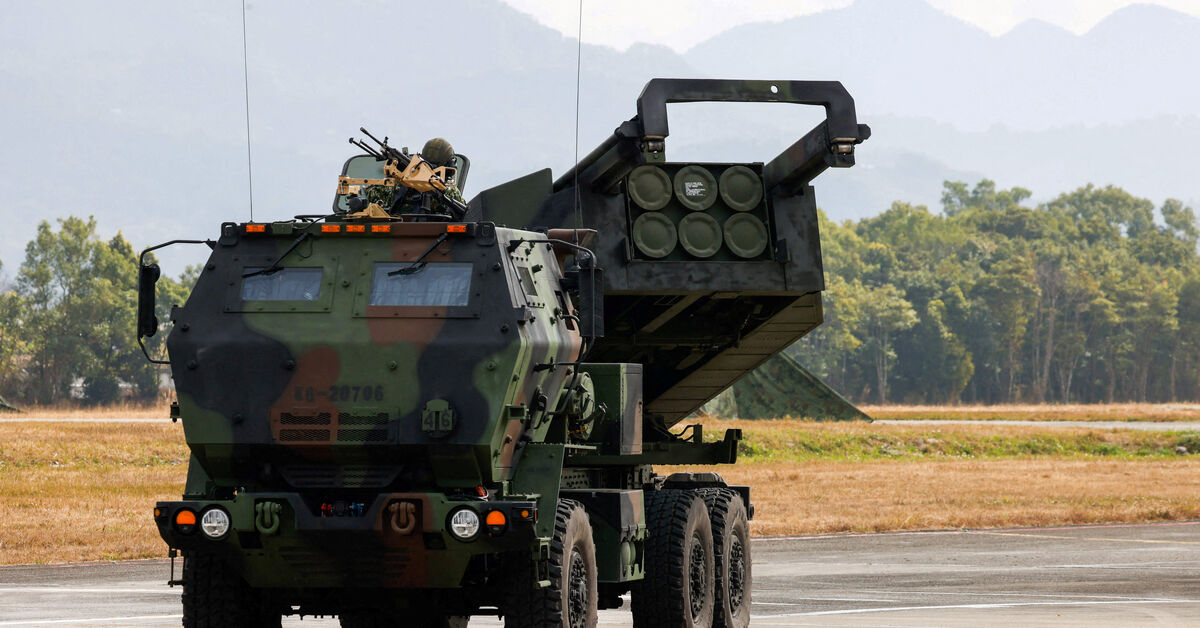
The Taiwanese Ministry of Defense has reported that delays in budget approval this year threaten to halt arms purchases worth NT$78 billion (approximately $2.44 billion), along with training and maintenance. This statement was made by a senior official in the ministry on Thursday, shedding light on the financial challenges the island faces in strengthening its defense capabilities.
The government of President Tsai Ing-wen intends to increase defense spending by 22.9% to reach NT$949.5 billion by 2026, which represents 3.32% of the GDP, surpassing the 3% threshold for the first time since 2009. This increase comes amid rising tensions with China, which considers Taiwan a part of its territory.
Details of the Situation
The new budget requires parliamentary approval, but delays in the legislative process may adversely affect Taiwan's plans to enhance its military capabilities. The new budget is expected to include investments in purchasing modern weapons and developing training programs for the armed forces, which is vital given the increasing threats from Beijing.
Reports indicate that the Taiwanese government is seeking to bolster its defense capabilities in the face of rising military threats from China, which has increased its military activity in the region, including military drills near Taiwan. This situation places additional pressure on the Taiwanese government to expedite the budget approval process.
Background & Context
Historically, Taiwan has been under significant pressure from China, which considers the island part of its territory and calls for its reunification. Since 2000, relations between the two sides have seen increasing tension, especially after the current Taiwanese government came to power. In recent years, Beijing has intensified its military and diplomatic pressure on Taiwan, prompting the Taiwanese government to enhance its defense capabilities.
In 2020, the Taiwanese parliament approved a record defense budget, reflecting the government's commitment to strengthening national security. However, the current delay in the new budget may hinder these efforts and affect Taiwan's ability to confront increasing threats.
Impact & Consequences
If the delay in budget approval continues, it may reduce Taiwan's ability to purchase necessary weapons and develop training programs, potentially weakening its defensive posture. This situation could encourage China to take more aggressive steps toward the island, increasing the risk of military escalation in the region.
Furthermore, the delay in the budget may affect Taiwan's international relations, as the island relies on support from allies like the United States. Any decline in defense capabilities could negatively impact Taiwan's position in negotiations with major powers.
Regional Significance
Although the situation in Taiwan may seem distant from the Arab region, military tensions in any part of the world can affect regional stability. Increased tensions in East Asia could lead to a reassessment of security and defense strategies in the Arab region, especially amid rising security challenges.
Additionally, relations between major powers such as the United States and China directly impact Arab interests, as Arab countries seek to maintain a balance in their relationships with major powers. Under these circumstances, Arab nations must closely monitor developments in Taiwan.