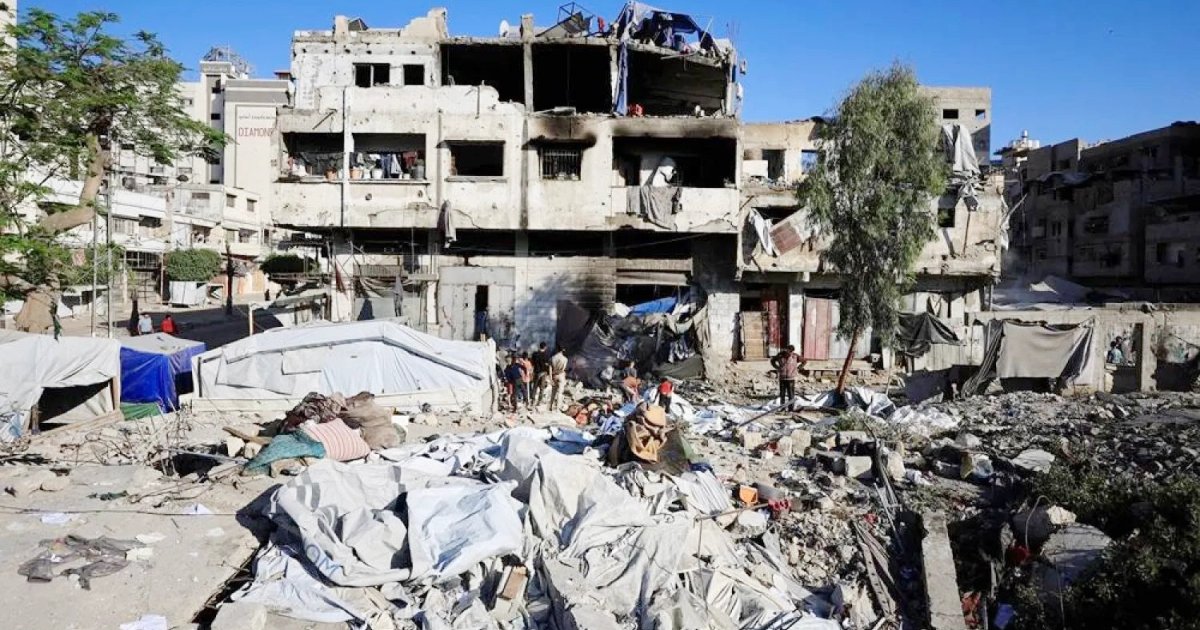
Reports have emerged indicating that the International Stabilization Force, announced three months ago by former U.S. President Donald Trump, has not received any military support from the countries that pledged to participate. The force, which was supposed to include 20,000 troops, has not seen any actual contributions, raising questions about the future of peace efforts in Gaza.
These developments come at a sensitive time, as Hamas continues to refuse disarmament while Israel expands its control over Palestinian territories. The situation in Gaza requires effective international intervention, but the tensions arising from the Iranian conflict complicate these efforts.
Details of the Event
On February 28, Iran faced an attack from the United States and Israel, leading Indonesia, which had pledged to send 8,000 troops, to suspend its participation in the force. Initially, 1,000 troops were to be sent in April, followed by the remainder in June. Indonesia, the largest Muslim-majority country, is experiencing economic repercussions due to the conflict, further destabilizing the region.
U.S. Major General Jasper Jeffers was set to lead the force, but the lack of executive guidance from Washington has led to significant frustration. Indonesian Defense Minister Sjarifuddin Sjamsoeddin noted that the current situation requires a reassessment of international commitments.
Background & Context
Historically, Gaza has been a site of recurring conflicts between Israel and Palestinian factions, particularly Hamas. Following the recent war, the situation has become more complicated, with Israeli forces controlling approximately 60% of Palestinian territories. Previous peace efforts have often stalled due to disagreements among the various parties involved.
The International Stabilization Force was established as part of an initiative aimed at achieving peace and stability in the region, but recent events, including the Iranian conflict, have negatively impacted this initiative. Observers believe that the current situation requires greater consensus among regional and international powers.
Impact & Consequences
The delay of the International Stabilization Force could exacerbate the humanitarian situation in Gaza, where residents are suffering from severe shortages of resources and essential services. Additionally, the ongoing conflict may increase tensions between Arab nations and the United States, as many Arab leaders view Washington as a non-neutral party.
The escalation in the Iranian-American conflict could also hinder peace efforts in other parts of the Middle East, complicating the regional landscape. Many countries that pledged to send troops are conditioning their participation on the disarmament of Hamas, further complicating the situation.
Regional Significance
The postponement of the International Stabilization Force in Gaza poses a significant challenge to Arab efforts to achieve peace and stability. Arab nations, which have historically acted as mediators in conflicts, find themselves in a difficult position due to international pressures and regional tensions.
In conclusion, the situation in Gaza requires an urgent response from the international community, as the continuation of tensions could worsen the humanitarian conditions and increase instability in the region.