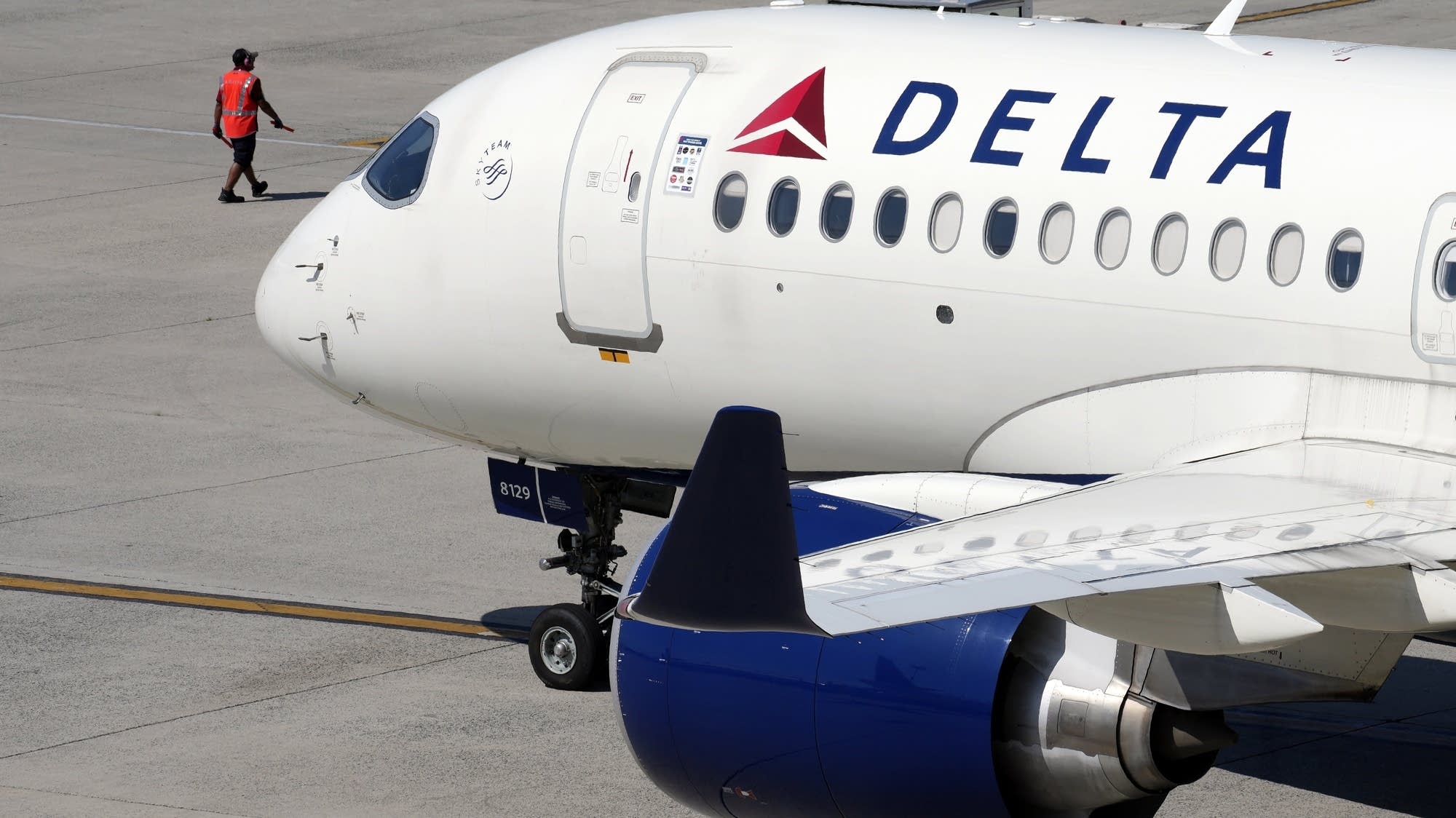
Jeff Momo, the Vice President of Delta Airlines for the Asia-Pacific region, indicated that the American airline does not plan to reduce its air service network in Asia, despite the challenges posed by high fuel prices. These remarks were made during an interview with Bloomberg, where Momo confirmed that travel demand in the region has seen a modest increase following recent events in Iran.
Delta Airlines is considered one of the largest airlines in the world, with a vast network of flights in the Asia-Pacific region. Despite the economic challenges facing airlines due to rising fuel prices, Delta intends to maintain its strong presence in this vital market.
Details of the Announcement
In his comments, Momo noted that Delta Airlines has observed an increase in travel demand in Asia, reflecting a market recovery after a period of decline due to the COVID-19 pandemic and recent geopolitical events. Although fuel prices may impact operating costs, Delta believes that the Asian market still holds significant growth opportunities.
Delta Airlines is a leading provider of air transport services and has invested heavily in expanding its flight network in Asia. This investment comes at a time when the Asian market is experiencing intense competition among various airlines, making it essential to maintain a robust network.
Background & Context
Historically, the Asia-Pacific region has witnessed remarkable growth in the aviation sector, being one of the fastest-growing markets in the world. However, political and economic events, such as the conflict in Iran, directly affect travel and trade movements in the region. These events have led to increased tensions in the markets, impacting airlines' forecasts.
Despite these challenges, Delta Airlines hopes to continue attracting travelers to and from Asia, especially with the return to normalcy following the COVID-19 pandemic. Delta is one of the companies benefiting from the growing demand for international travel, as it seeks to expand its services to meet travelers' needs.
Impact & Consequences
Delta Airlines' decision to continue expanding its services in Asia despite rising fuel prices could have positive effects on the market. This could lead to increased competition among airlines, contributing to improved services and lower prices for travelers.
This decision also reflects Delta's confidence in the Asian market and its ability to adapt to economic challenges. If demand continues to rise, we may witness further investments in aviation infrastructure in the region, enhancing airlines' capacity to meet travelers' needs.
Regional Significance
For the Arab region, Delta Airlines' continued presence in Asia may open new avenues for commercial and tourism cooperation. Many Arab travelers seek to travel to Asian destinations, and thus a strong network of flights can help strengthen ties between the Middle East and Asia.
Moreover, the increased demand for travel may impact tourism flows in Arab countries, potentially attracting more tourists from Asia to Arab nations, thereby boosting the local economy.
In conclusion, Delta Airlines' decision not to reduce its services in Asia despite economic challenges reflects a clear strategic vision for the market. As travel demand continues, other companies may follow suit, potentially leading to a positive shift in the aviation industry in the region.