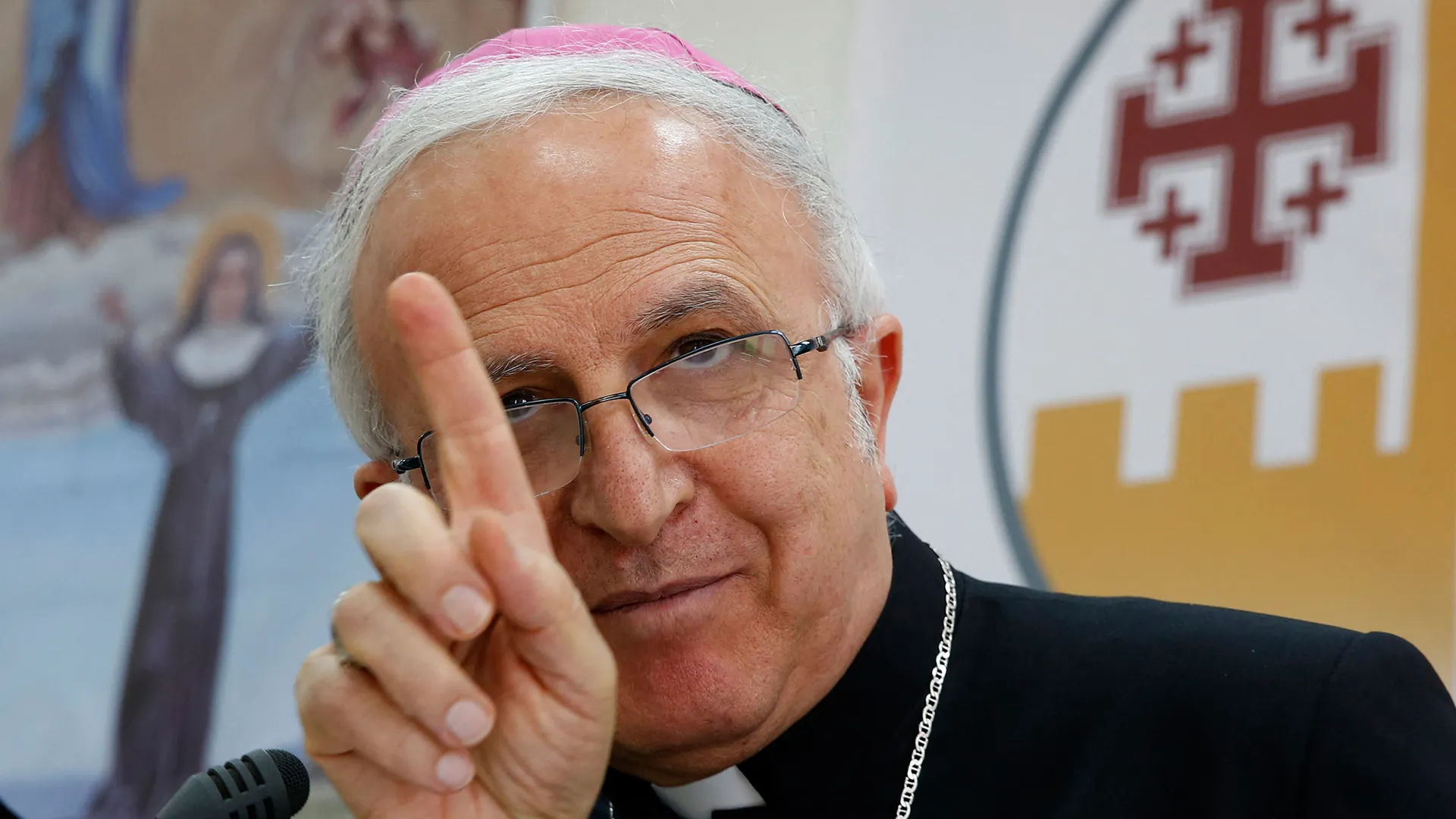
Bishop William Shomali, the Patriarchal Vicar of the Latin Patriarchate in Jerusalem, has urged the Israeli occupation to open Al-Aqsa Mosque to Muslims, allowing them to pray there. This call comes after the occupation authorities reversed their decision to prohibit the Palm Sunday Mass at the Church of the Holy Sepulchre.
This demand follows confirmation from the Latin Patriarch of Jerusalem, Cardinal Pierbattista Pizzaballa, that the occupation police allowed him to enter the Church of the Holy Sepulchre to conduct the Mass, after previously denying access. Bishop Shomali expressed his happiness with this decision, noting that it would permit a limited number of clergy to pray in the church, reflecting some easing of the situation.
Details of the Event
In a special interview with Al Jazeera, Bishop William Shomali explained that a meeting with the occupation police resulted in the decision to allow a limited number of clergy to pray in the Church of the Holy Sepulchre, requiring them to enter and exit through the official door. He emphasized that this decision would have a positive impact on other churches in the city.
However, the situation at Al-Aqsa Mosque remains concerning, as the occupation authorities continue to keep it closed to worshippers since the onset of the war on Iran on February 28. The Islamic Waqf in Jerusalem has reported that the closure will continue until April 15, 2026, marking the longest period since the city was occupied in 1967.
Context and Background
These developments come at a sensitive time, as the world's attention turns to Jerusalem during this sacred period. The Patriarchate issued a press statement confirming that the patriarch's prohibition from entering the church was due to the state of emergency imposed by the occupation authorities, which was seen as a disregard for the feelings of billions of Muslims and Christians worldwide.
Historically, Jerusalem has witnessed increasing tensions between the Israeli occupation and worshippers, particularly during religious occasions. These tensions have led to repeated calls from the international community to open Al-Aqsa Mosque to worshippers.
Impact and Consequences
Responses from Arab and international communities to the actions of the occupation police indicate growing pressure on Tel Aviv, which may compel it to reconsider its policies regarding holy sites. Bishop Shomali confirmed that external pressures played a role in the occupation's reversal of its decision to prohibit the Palm Sunday Mass.
Furthermore, these events reflect the ongoing tensions in the region, where religious and political issues are intricately intertwined, increasing the need for comprehensive dialogue that ensures the rights of all parties.
Regional Significance
The issue of Al-Aqsa Mosque is central to the Israeli-Palestinian conflict and has profound implications for relations between Arab states and Israel. The continued closure of Al-Aqsa Mosque could escalate tensions in the region and heighten discontent among both Muslims and Christians.
In conclusion, the issue of Al-Aqsa remains open to all possibilities, and the international community must take effective steps to ensure freedom of worship for all religions at holy sites.