In Cuba, demands are rising from citizens who lost their properties as a result of the communist government's policies, with many facing a suffocating economic crisis. These citizens, who left behind homes, factories, and land, are now seeking resolutions to compensation issues that have remained unresolved for decades.
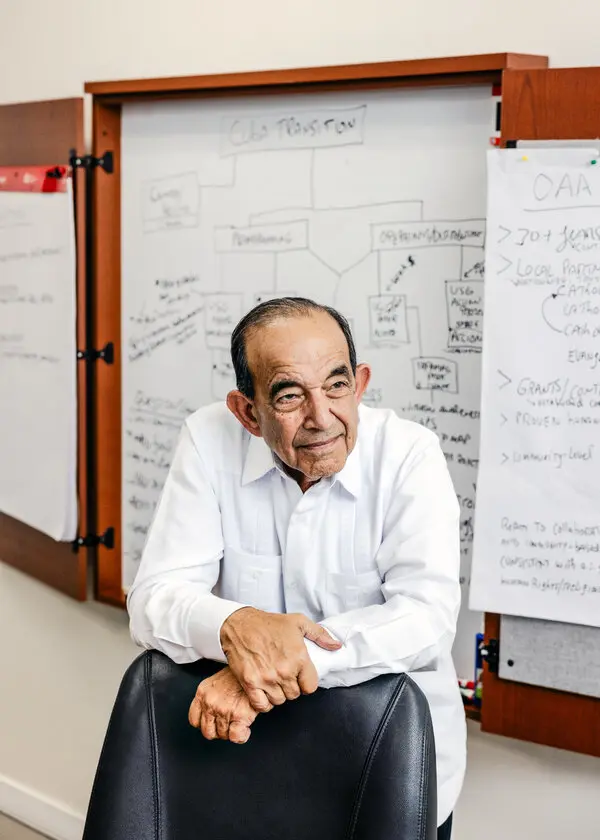
Among those affected is Tio A. Babon Jr., who holds fond memories of his family home in Santiago de Cuba, where his grandmother hosted large family gatherings. The Babon family was among the wealthy industrialists who left Cuba after Fidel Castro seized power, leaving behind a significant fortune in properties.
Details of the Property Claims
The issue of property restitution in Cuba is a complex matter that dates back to the post-socialist revolution era. The government seized thousands of properties from citizens who left the country, some of whom had nothing but the clothes on their backs. Among these properties is the Babon family home known as La Miskita, which was later used by the government as a center for an Arab civil association.
Reports indicate that the Cuban government continues to use many of these properties for public purposes, raising questions about the fairness of compensation. As the economic situation in Cuba deteriorates, pressure is mounting on the government to resolve these longstanding issues.
Historical Context
Historically, Cuba underwent radical changes following the socialist revolution in 1959, during which many businesses and properties were nationalized. These policies led to a mass exodus of the wealthy and investors, leaving behind deep economic and social scars. Over time, compensation issues have become unresolved matters that have intensified tensions between the government and citizens.
In recent years, as the Cuban economy has worsened, these issues have become more urgent. Citizens are increasingly calling for the return of their properties or fair compensation. However, the government continues to ignore these demands, exacerbating public discontent.
Impact on International Relations
The issue of property restitution in Cuba is a sensitive topic that could affect international relations, particularly with the United States. The U.S. government seeks to exert pressure on Cuba, which could lead to changes in domestic policies. These dynamics may open the door for new negotiations regarding compensation, but they could also escalate tensions.
In this context, many are questioning the future of Cuba and how the government will address these complex issues. As pressures mount, the need for fair and effective solutions becomes increasingly urgent.
Regional Significance
This issue is pivotal for understanding the social and economic tensions in Cuba and their impact on international relations. The ongoing demands for property restitution highlight the unresolved grievances of citizens and the potential for diplomatic shifts.
As Cuba navigates these challenges, the outcome of these compensation claims may shape not only its internal landscape but also its relations with neighboring countries and the international community.