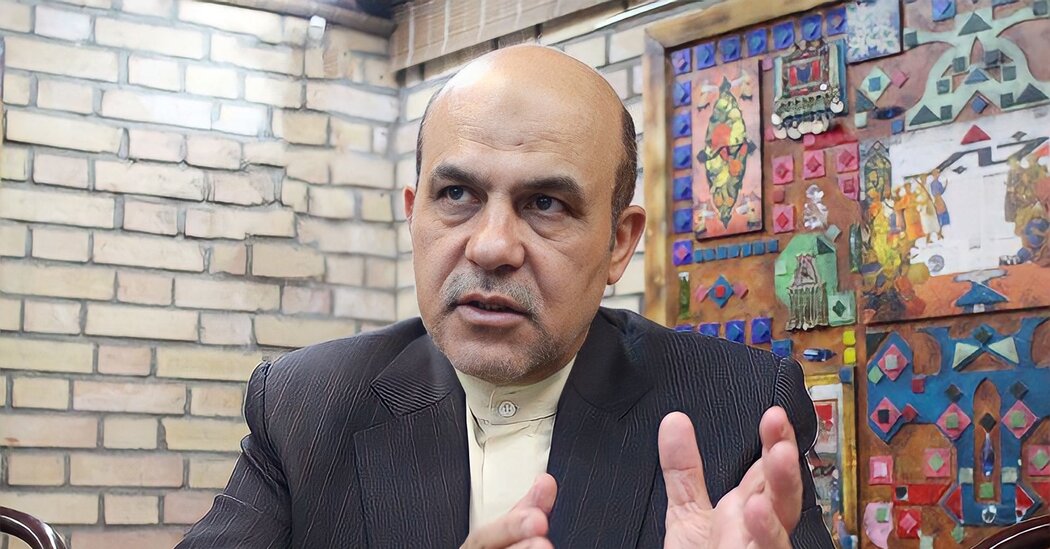
In a striking statement, Iranian Deputy Defense Minister Reza Talaei Nik asserted that the United States is no longer in a position to impose its policies on the international stage. This remark came during his visit to the Kyrgyz capital, where he noted that the world is witnessing fundamental shifts in the balance of power.
Talaei Nik explained that these transformations reflect a decline in American influence, which allows other countries to strengthen their roles in international affairs. He emphasized that Iran is seeking to enhance its relationships with friendly nations to confront the challenges posed by American policies.
Details of the Event
Talaei Nik's statements came at a time when the world is experiencing radical changes in the international system, with increasing calls for a multipolar world. He pointed out that these changes present an opportunity for Iran to bolster its regional and international standing.
The Iranian Deputy Defense Minister also discussed his country's role in promoting security and stability in the region, stressing the importance of cooperation among nations to address common challenges. He affirmed that Iran will not hesitate to support its allies in facing American pressures.
Background & Context
Historically, the United States has been regarded as the sole superpower in the world, but recent years have seen the emergence of new powers such as China and Russia, leading to a reshaping of the balance of power. These new dynamics place the United States in a defensive position, facing challenges from countries seeking to enhance their influence.
Iran, which has suffered from American sanctions, is now looking to exploit these circumstances to strengthen its relationships with other countries, particularly in Asia and Africa. Tehran has demonstrated resilience in dealing with crises, reflecting its ability to adapt to international changes.
Impact & Consequences
The decline of American influence could lead to radical changes in international policies, as opportunities for cooperation among non-Western countries may increase. This situation could contribute to enhancing stability in certain regions, but it may also escalate tensions in others, especially in the Middle East.
Moreover, strengthening relationships between Iran and other countries could help mitigate the effects of economic sanctions imposed on it, providing an opportunity for growth and development. These new dynamics may lead to the formation of new alliances on the international stage.
Regional Significance
For Arab countries, the decline of American influence may mean a reevaluation of their strategies in dealing with Iran. Some nations may see this situation as an opportunity to enhance their relationships with Tehran, while others may seek to maintain their traditional alliances with Washington.
Recent events indicate that the region may witness significant shifts in relationships between countries, necessitating Arab leaders to make strategic decisions that align with the new changes.
In conclusion, it appears that the world is undergoing a transformation in the balance of power, prompting countries to rethink their strategies. The statements of the Iranian Deputy Defense Minister reflect these dynamics and highlight the challenges and opportunities facing nations on the international stage.