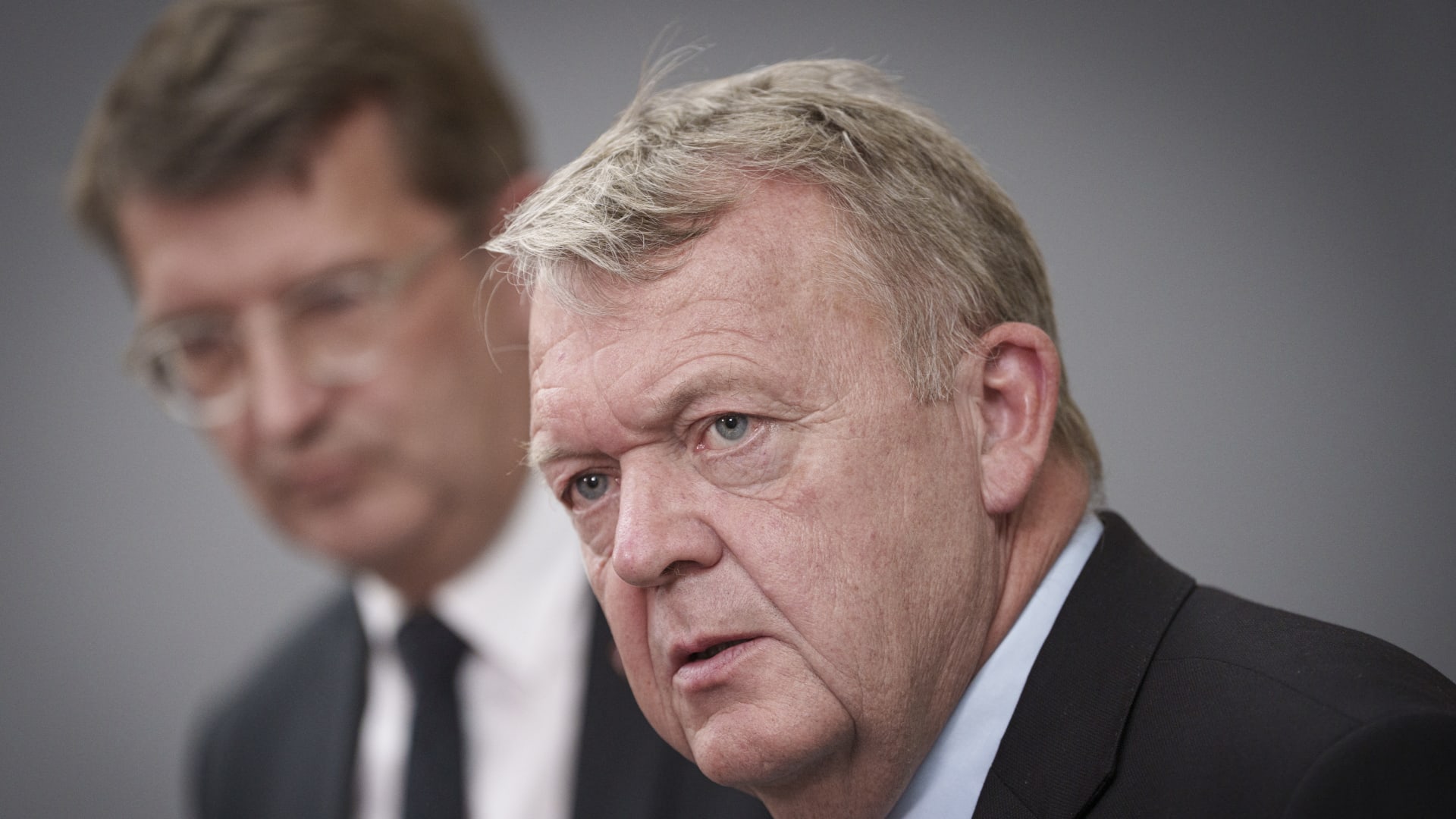
Denmark is heading to general elections at a sensitive time, coinciding with U.S. President Donald Trump's threats to transfer ownership of Greenland to the United States. These threats have bolstered the position of Prime Minister Mette Frederiksen, who is emerging as the leading candidate as voting begins.
Frederiksen, who has been in office since 2019, is seeking to strengthen her position in the elections by focusing on issues such as immigration and social welfare. Polls have shown that she enjoys significant support from voters, reflecting a positive response to her policies.
Details of the Event
The elections in Denmark are taking place in a charged atmosphere, as Trump's statements about Greenland have sparked widespread controversy. In 2019, Trump proposed purchasing the island, which provoked angry reactions from the Danish government. These statements have not only affected relations between the two countries but have also contributed to a rise in Danish nationalism, as many consider Greenland an integral part of their national identity.
The election campaign also includes other pivotal issues such as climate change, with Frederiksen hoping to enhance renewable energy policies. Polls indicate that voters prefer candidates who focus on these issues, which may influence the election outcomes.
Background & Context
Historically, Greenland was a Danish colony until 1953, when it became part of the Kingdom of Denmark. However, the island enjoys extensive self-governance, making it a sensitive topic in Danish politics. In recent years, Greenland's importance has increased due to its natural resources, including minerals and oil, making it a focal point for global powers.
Danish-American relations have historically been strong, but Trump's threats could lead to new tensions. In recent years, Denmark has witnessed a rise in nationalism, particularly in light of the influx of immigrants, making immigration issues a core part of the political discourse.
Impact & Consequences
If Frederiksen succeeds in the elections, it could mean the continuity of current policies, including a focus on social and environmental issues. Conversely, if opposition parties perform well, we may witness radical changes in Danish politics, particularly regarding immigration and international relations.
On the other hand, the election results could impact relations with the United States, as Trump seeks to enhance American influence in the region. If tensions persist, this could have negative repercussions on cooperation between the two countries in various fields.
Regional Significance
Denmark is considered one of the European countries playing a significant role in international politics, especially concerning human rights and immigration issues. The election results may influence European policies towards migrants, a topic of concern for many Arab countries facing similar challenges.
Furthermore, tensions between the United States and Denmark could affect relations between Arab countries and the West, especially amid ongoing geopolitical changes. It is important to monitor the election results and their impact on European and global politics.