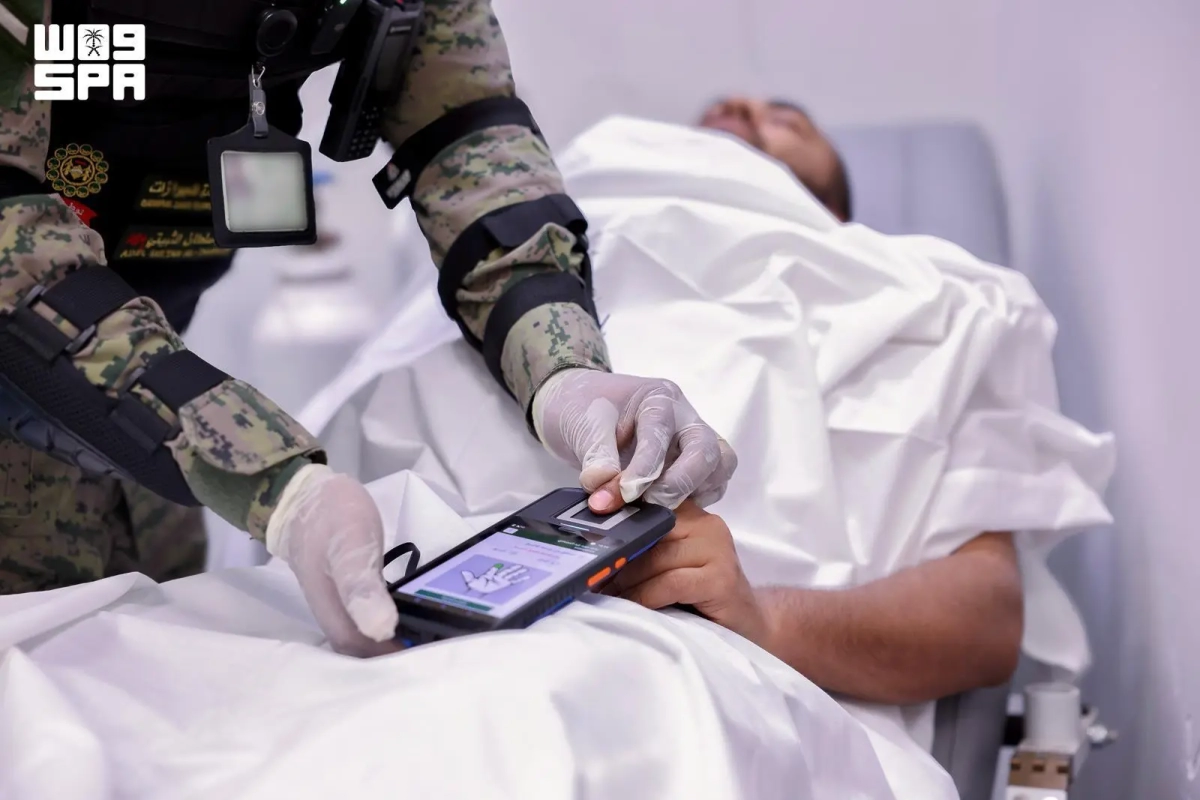
The General Directorate of Passports in Saudi Arabia has announced the deployment of field teams in Mecca and the holy sites, aimed at identifying missing pilgrims and those receiving treatment in hospitals during the days of Hajj. This initiative is part of ongoing efforts to ensure the safety of pilgrims and provide necessary support, in collaboration with the Ministry of Health and the Pilgrim Care Initiative.
The field teams are responsible for identifying pilgrims who need healthcare in hospitals and health centers, coordinating with the Ministry of Health to ensure appropriate care is provided. The teams also work to identify missing pilgrims through coordination with the Pilgrim Care Initiative, which aims to provide support and assistance to pilgrims at all times.
Details of the Initiative
The field teams are equipped with the latest portable technologies, facilitating the verification of the identities of patients and missing persons on-site. Reports are received through the Hajj and Umrah Command and Control Center, located in Mecca. This step reflects the Kingdom's commitment to providing the best services to pilgrims and ensuring their safety during their rituals.
The field teams operate around the clock, deployed in hospitals and health centers in Mecca and the holy sites. Thanks to these efforts, the time taken to identify missing pilgrims can be reduced, allowing for immediate support to patients.
Background & Context
The Hajj rituals represent one of the largest human gatherings in the world, with millions of pilgrims arriving from various parts of the globe to perform this religious duty. With such a large number, the need for comprehensive medical services and healthcare becomes increasingly vital. Historically, Hajj seasons have faced numerous challenges related to safety and healthcare, prompting authorities to take proactive measures to ensure the safety of pilgrims.
In recent years, the Kingdom has enhanced its healthcare infrastructure and developed its medical services, significantly improving the Hajj experience. These efforts include the establishment of new hospitals and the provision of specialized medical teams to address any emergencies that may arise.
Impact & Consequences
This initiative is a positive step towards enhancing security and safety during the Hajj season. By quickly identifying missing pilgrims and patients, authorities can provide immediate support and necessary assistance, reflecting the Kingdom's commitment to providing a safe and comfortable environment for pilgrims.
Moreover, the use of modern technology in these operations showcases the advancements the Kingdom is making in healthcare services, enhancing the ability of medical teams to handle emergencies efficiently.
Regional Significance
The Hajj experience in Saudi Arabia serves as a model for managing large-scale events. Other Arab countries can benefit from this experience in organizing major events by enhancing cooperation among government entities and applying modern technologies to ensure the safety of participants.
In conclusion, the Kingdom's efforts in organizing Hajj and providing healthcare for pilgrims reflect its deep commitment to serving the guests of Allah, contributing to the positive image of the Kingdom on the international stage.