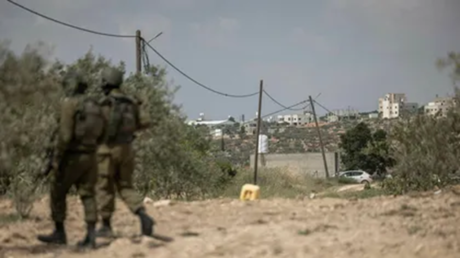
The Israeli newspaper 'Haaretz' reports that the Israeli army believes the Lebanese army is incapable of disarming Hezbollah. This assessment comes at a time when tensions in the region are escalating, raising questions about Lebanon's ability to handle both internal and external security challenges.
This information is particularly significant given the complex political situation in Lebanon, which is grappling with severe economic crises and internal political conflicts. The report indicates that the Israeli army is closely monitoring the situation and considers that any attempt to disarm Hezbollah may face strong resistance.
Details of the Situation
The Israeli newspaper based its report on military sources, confirming that the Lebanese army lacks the necessary military and political capability to carry out such a mission. This assessment comes as Hezbollah continues to enhance its military capabilities, complicating the security landscape in Lebanon.
'Haaretz' also noted that the Israeli army believes any move to disarm Hezbollah could lead to military escalation in the region, threatening the fragile stability that Lebanon currently experiences. It appears that Israel is seeking a better understanding of the Lebanese army's military capabilities under these tense circumstances.
Background & Context
Historically, Hezbollah has been a prominent military and political force in Lebanon, having engaged in several conflicts with Israel since its establishment. In recent years, tensions between the two sides have increased, particularly following the war in Syria, where Hezbollah played a significant role in supporting the Syrian regime.
This context reflects the challenges Lebanon faces as a state, needing to navigate the impacts of regional conflicts and internal pressures. Additionally, the deteriorating economic situation complicates the Lebanese government's ability to make decisive security-related decisions.
Impact & Consequences
The Israeli estimates regarding the Lebanese army's inability to disarm Hezbollah could lead to heightened tensions in the region. If these dynamics persist, we may find ourselves facing a potential military escalation between Israel and Hezbollah, which would impact regional stability.
Moreover, the continued presence of Hezbollah as an armed force could affect Lebanon's relations with Western and Arab countries, which may view this as a threat to regional security. Therefore, the situation in Lebanon requires careful monitoring by the international community.
Regional Significance
This situation reflects the security challenges facing many Arab countries, where internal and external conflicts are on the rise. Lebanon, as a country suffering from multiple crises, serves as a model of what can happen when political and economic crises intersect with military tensions.
Ultimately, Arab countries must consider the lessons learned from the Lebanese situation and work to strengthen internal stability while avoiding slipping into armed conflicts that could have dire consequences for the entire region.