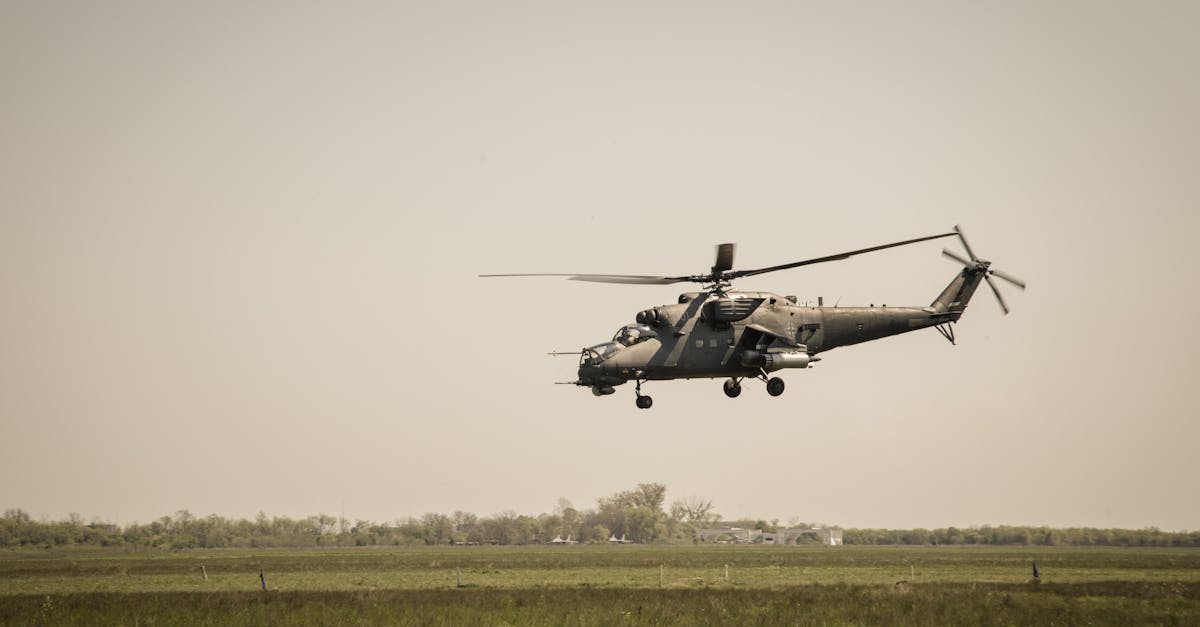
Qatar announced the success of its armed forces in destroying 13 ballistic missiles and Iranian drones, in a move that reflects the rising regional tensions. This announcement comes at a sensitive time marked by increasing unrest in the Middle East, where concerns about Iranian military activities in the region are growing.
This operation is part of Qatar's efforts to enhance its national security and protect its territory from potential threats. The Qatari Ministry of Defense confirmed that the military operations carried out were precise and effective, reflecting a high level of readiness and preparedness.
Details of the Operation
According to reports, the military operation was executed early this morning when Qatari forces detected the missiles and drones before they could reach their targets. They were destroyed by Qatar's advanced air defense systems, showcasing the technological progress the country has achieved in the field of defense.
These events occur amid escalating tensions between Iran and several Arab countries, with many nations accusing Iran of supporting armed groups in the region, further increasing instability.
Background & Context
Historically, the Arabian Gulf region has experienced ongoing tensions due to Iranian activities, including its support for militias in Iraq, Syria, and Lebanon. These activities have led to growing concerns among Arab nations, particularly the Gulf Cooperation Council (GCC) countries, which are striving to enhance their defensive capabilities.
In recent years, Qatar has strengthened its military cooperation with other nations, including the United States, hosting the Al Udeid Air Base, which is a vital hub for military operations in the region. This cooperation reflects Qatar's commitment to the security and stability of the region.
Impact & Consequences
This military operation is seen as an indicator of rising tensions in the region and may provoke reactions from Iran or its allies. The region is likely to witness further escalation, which could impact regional security and increase instability.
Moreover, these events may affect Qatar's relations with other countries in the region, as some nations may adopt more cautious stances towards Iran and its military orientations.
Regional Significance
These developments are significant for the Arab region as a whole, reflecting the instability many countries are experiencing. These events may lead to enhanced military cooperation among Arab nations to confront common threats.
In conclusion, the situation in the region remains tense, and Arab countries must work together to bolster their security and stability in the face of increasing challenges.