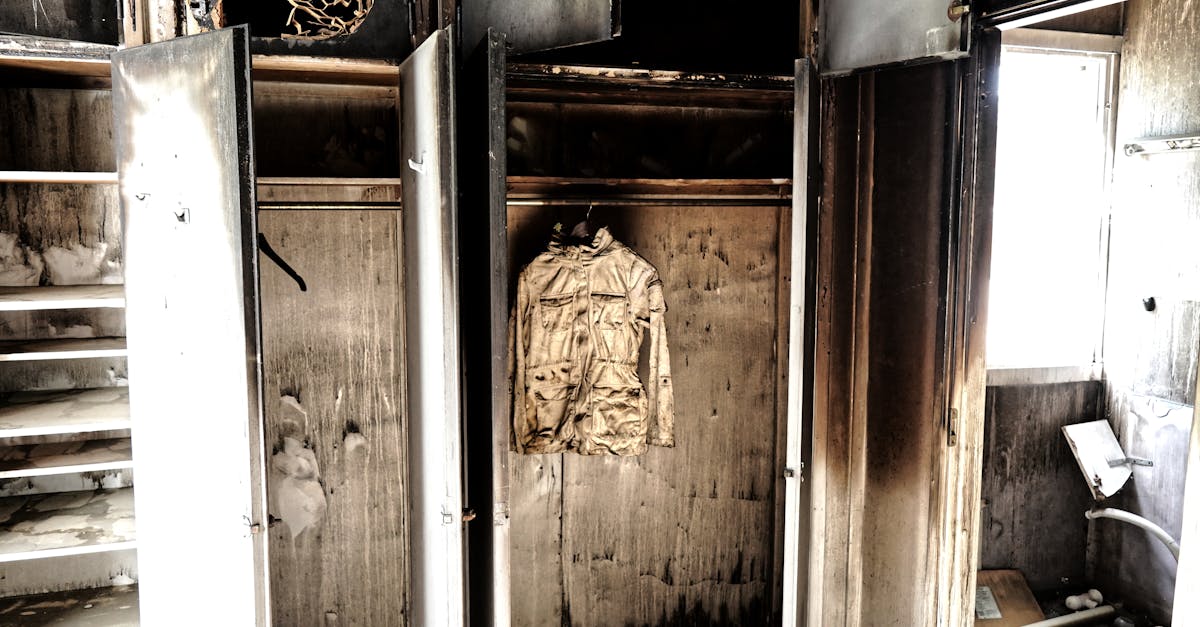
The military attacks launched by the United States and Israel on Iran have resulted in the destruction of numerous pharmaceutical and medical facilities, significantly worsening the plight of thousands of chronic patients in the country. These attacks, which targeted vital infrastructure, raise serious concerns about the Iranian health system's ability to meet the needs of its citizens.
Medical and pharmaceutical facilities are essential components of the health system, and any destruction of them directly impacts patients' lives. In Iran, many individuals suffer from chronic illnesses that require ongoing medications and treatments. With the destruction of these facilities, these patients face significant challenges in obtaining the necessary medications.
Details of the Attacks
The attacks carried out by the United States and Israel targeted strategic sites in Iran, including factories that produce medications and hospitals. Reports have indicated that these attacks have led to the destruction of large quantities of medicines and medical equipment, further deteriorating the health situation in the country.
There are growing fears that this destruction could lead to the spread of diseases and increased mortality among patients who rely on medications for their health conditions. Some doctors have pointed out that the shortage of medicines could have dire consequences for the health of citizens.
Background & Context
These attacks come amid escalating tensions between Iran and the United States and its allies in the region. For a long time, the United States has sought to impose sanctions on Iran, adversely affecting the Iranian economy and health system. These sanctions, coupled with military attacks, have made it difficult for Iran to import essential medicines and medical equipment.
Historically, Iran has experienced numerous health crises as a result of political and military conflicts. However, the current situation is considered among the most severe, as pressures on the Iranian health system increase amid resource and funding shortages.
Impact & Consequences
The impact of this health crisis is not limited to Iran but extends throughout the region. As the number of patients needing medical care rises, this could lead to the spread of diseases in neighboring countries, putting additional pressure on their health systems.
This crisis may also escalate political tensions in the region, as some parties could use it as a pretext to justify further military or political interventions. Consequently, the health situation in Iran could have far-reaching implications for regional stability.
Regional Significance
Given the situation in Iran, Arab countries must be aware of the potential ramifications. Health crises can lead to an influx of refugees or increased tensions among different communities. Additionally, Arab nations may need to strengthen their health systems to address any potential fallout from this crisis.
Ultimately, the current situation in Iran requires an urgent response from the international community. Military interventions must be accompanied by humanitarian efforts to support patients and those in need. Protecting human rights and healthcare should be a priority in any conflict.