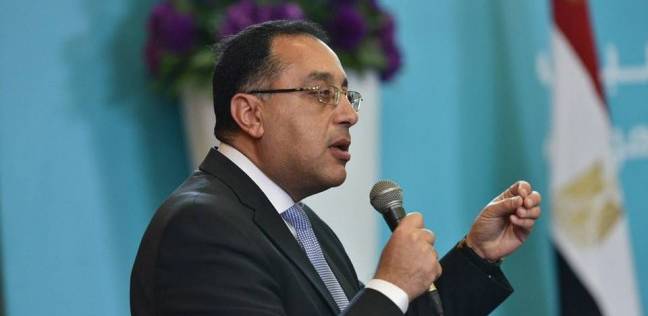
Dr. Mostafa Madbouly, the Prime Minister of Egypt, convened a meeting yesterday to review efforts aimed at maintaining the "alternative housing" projects for residents of unsafe areas and organizing programs for human development, in line with directives from President Abdel Fattah El-Sisi. The meeting was attended by several ministers, including Dr. Mohamed Shaker, Minister of Electricity and Renewable Energy; Dr. Ali Moselhi, Minister of Supply and Internal Trade; Dr. Ashraf Sobhi, Minister of Youth and Sports; Dr. Assem El-Gazar, Minister of Housing, Utilities, and Urban Communities; Nevine El-Kabbaj, Minister of Social Solidarity; Major General Hisham Amna, Minister of Local Development; Dr. Reda Hegazy, Minister of Education and Technical Education; and Dr. Nevine El-Kilani, Minister of Culture, along with several officials from relevant authorities.
At the beginning of the meeting, Dr. Mostafa Madbouly emphasized that the Egyptian state has achieved significant progress in providing alternative housing for residents of unsafe areas, highlighting the importance of preserving the developments made in informal and unplanned areas. He pointed out the necessity of having sustainable programs that contribute to the development of the Egyptian citizen, covering areas such as education, culture, and sports.
Details of the Meeting
The Prime Minister stressed that the state will not allow a decline in the conditions of housing units that have cost billions of Egyptian pounds, affirming the need for regular monitoring of maintenance work for these projects. He explained that the state has ensured that the housing units are furnished and equipped with electrical appliances for a nominal fee not exceeding 300 Egyptian pounds for maintenance and development purposes, which necessitates the existence of an entity responsible for overseeing maintenance, cleanliness, and the collection of dues.
Additionally, the Prime Minister tasked the Ministers of Electricity, Petroleum, and Housing with ensuring that the state’s dues related to utilities are met. He emphasized the importance of organizing sports, cultural, and recreational events throughout the year in these projects to enhance the quality of life for residents.
Background & Context
The meeting also addressed the status of housing unsafe areas across the republic from 2014 to 2022, as well as the informal areas that have been completed. The services and activities provided by the Ministry of Education were also reviewed, including initiatives for literacy and teaching the Arabic language.
Ambassador Nader Saad, the official spokesperson for the Prime Minister's Office, mentioned the efforts of the Ministry of Social Solidarity in assessing the current situation of residents in alternative housing areas through field research conducted by the Social and Criminal Research Center.
Impact & Consequences
The Egyptian government aims through these meetings to ensure the sustainability of housing projects and improve the quality of life for citizens. It also seeks to reduce social and economic gaps by providing a conducive environment for education and culture.
These efforts are part of a broader strategy aimed at developing informal areas and improving living standards, contributing to sustainable development in the country.
Regional Significance
Egypt's experience in alternative housing for informal settlements serves as a model for the Arab region, where many countries face similar challenges in addressing housing issues. These efforts could enhance regional cooperation and the exchange of experiences among Arab countries.
In conclusion, the importance of these initiatives lies in improving living conditions and fostering social stability, which positively impacts economic development in the region.