Fatih Birol, the head of the International Energy Agency, has warned of serious implications that could affect global energy markets amid ongoing disruptions related to oil supplies through the Strait of Hormuz due to geopolitical tensions.
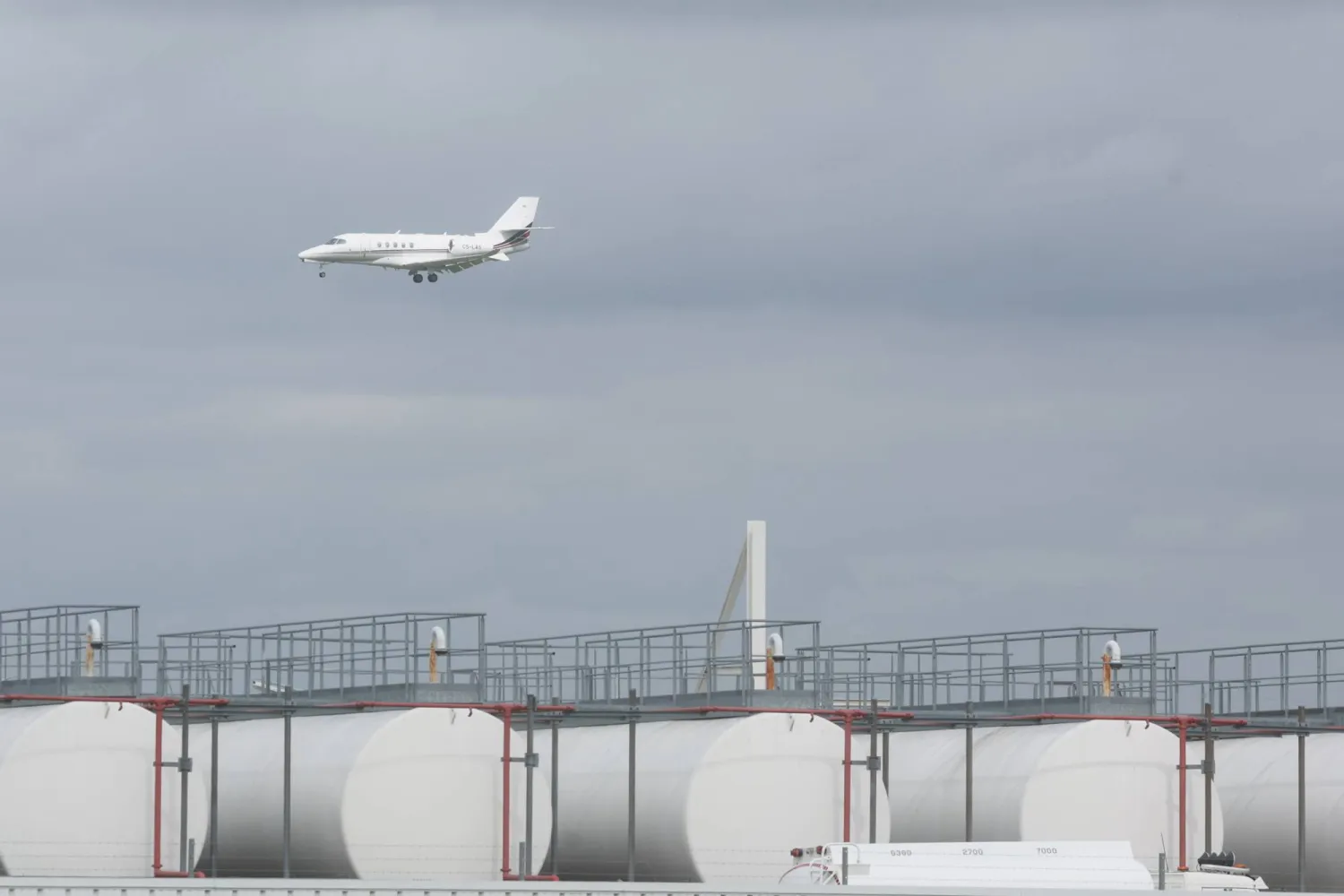
In press statements, Birol confirmed that Europe has a stockpile of jet fuel sufficient for only about six weeks, warning of the possibility of flight cancellations "in the near future" if the current crisis continues.
Details of the Situation
Birol described the current situation as "the largest energy crisis the world has ever seen," pointing out that any interruption in oil and gas flows through vital corridors will directly impact the global economy, leading to rising fuel and energy prices and increased inflation rates.
He also clarified that the effects of the crisis will not be equal among countries, with Asian economies such as Japan, South Korea, India, China, Pakistan, and Bangladesh being more severely affected, in addition to developing countries in Africa and Latin America, which will be the most vulnerable to fluctuations in energy prices.
Background & Context
These warnings come at a time when the world is witnessing an escalation in geopolitical tensions, especially in the Middle East, where the Strait of Hormuz is considered a vital corridor for oil transportation. This region has experienced numerous crises in recent years, affecting the stability of global energy markets.
Historically, the Strait of Hormuz has been the scene of many conflicts, and any threat to oil supplies through it has led to swift market reactions, reflecting the importance of this strategic corridor.
Impact & Consequences
Birol indicated that the repercussions of the crisis could later extend to Europe and the Americas, with the likelihood of jet fuel shortages and disruptions in air transport. He also warned that any changes in shipping transit rules or the imposition of fees on vital shipping corridors could create international precedents that affect other strategic corridors worldwide.
This situation may increase pressure on governments and companies, necessitating urgent actions to ensure market stability and avoid further escalation in the global energy crisis.
Regional Significance
Considering the effects of this crisis on the Arab region, oil-producing countries may benefit from rising prices, while importing countries may face significant challenges in securing their energy needs. This could increase economic and social pressures in some Arab countries, necessitating new strategies to cope with these challenges.
In closing his remarks, Birol emphasized the need to ensure the normal and unrestricted flow of oil through international corridors to avoid further escalation in the global energy crisis.