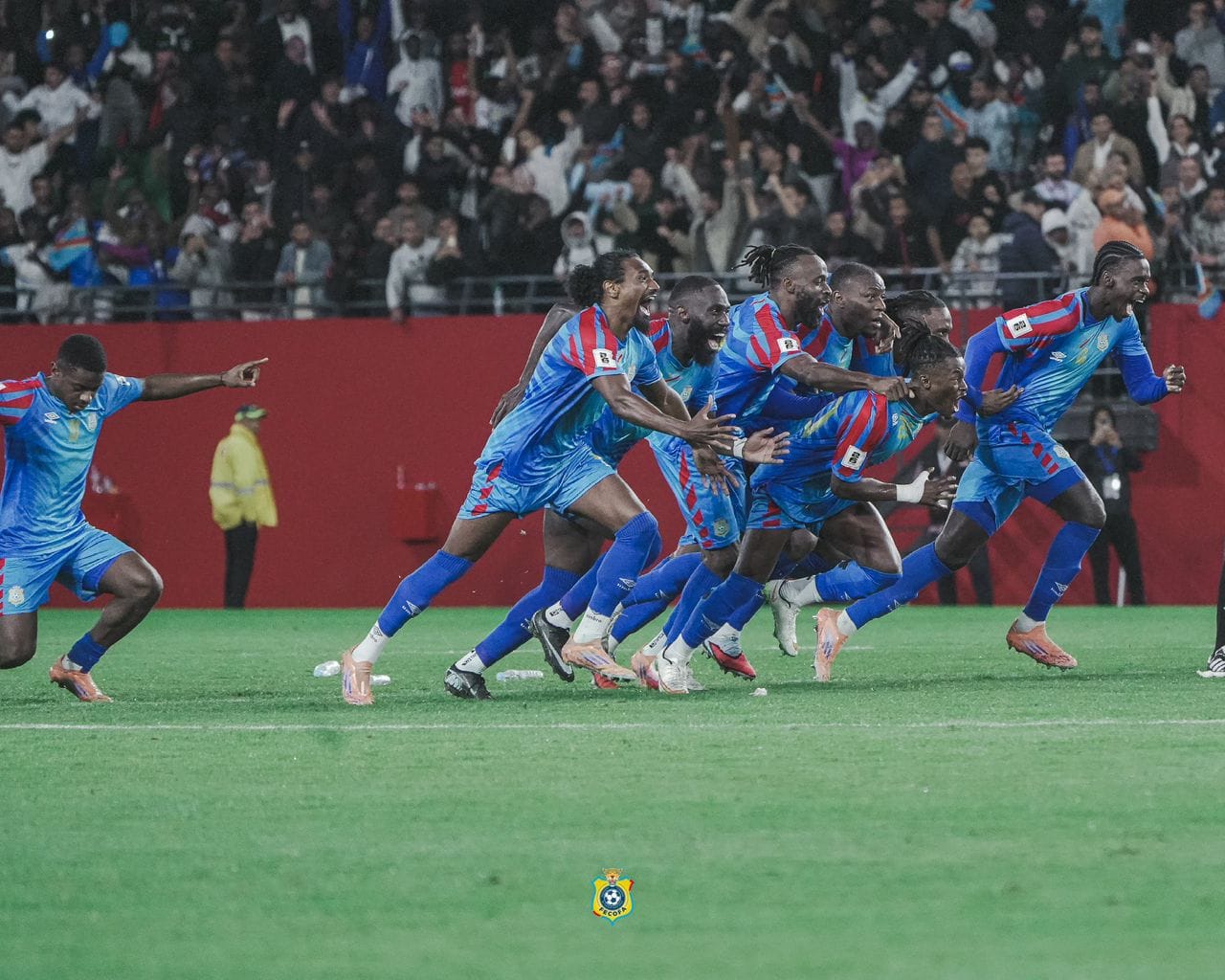
The detention of the captain of the Democratic Republic of Congo national team after their qualification for the World Cup has sparked widespread condemnation from his French club. The club considers this action unjustified and reflective of poor management by the local federation.
In an unexpected move, the Congolese federation detained the team captain, inciting anger from his French club, which views this action as a violation of the player's rights. This detention comes after the national team qualified for the World Cup finals, complicating matters and placing the federation in an embarrassing position.
Details of the Incident
The Congolese federation detained the player after he led his country to World Cup qualification, which was seen as a historic achievement. The French club indicated that this detention occurred without any legal justification, raising questions about how matters are managed within the federation.
The unnamed French club announced that it would take legal action against the Congolese federation, demanding the player's release. They also expressed concern for the player's mental and physical well-being under these circumstances.
Background & Context
Historically, the relationships between European clubs and African federations have been fraught with tensions, especially regarding player rights. Clubs often face pressure from local federations, leading to legal and administrative conflicts.
This incident occurs at a sensitive time, as the Congolese national team prepares for the World Cup, increasing the importance of having the team captain in a positive environment. Qualification for the World Cup is a significant achievement for Congo and reflects the development of football in the country.
Impact & Consequences
This crisis is expected to affect the Congolese national team's preparations for the World Cup, as the detention could destabilize the team. Additionally, this incident may open the door to further criticism regarding how sports federations are managed in Africa.
Moreover, this crisis could impact the reputation of the Congolese federation, potentially leading to a loss of support from fans and sponsors. This is a serious matter given the need to enhance football in the country.
Regional Significance
This incident highlights the challenges faced by sports federations in the Arab region as well. Many countries suffer from similar issues concerning player rights and club management.
This crisis may also affect relations between Arab clubs and local federations, necessitating a reevaluation of how these issues are handled to ensure the protection of players' rights.
In conclusion, this incident remains an example of the challenges facing African football and underscores the need for improved management of sports federations to ensure players' rights and the overall development of the game.