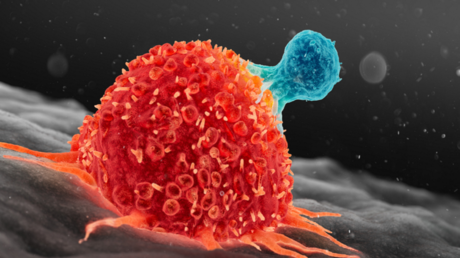
Researcher Boris Gladkikh from Volgograd Technical University reveals ongoing efforts to develop new pharmaceutical compounds aimed at inhibiting the defense systems of cancer cells, making them more susceptible to traditional treatments. This innovation comes at a time when cancer cases are on the rise globally, necessitating the search for effective solutions to combat this deadly disease.
Cancer cells are among the most complex cells in the human body, possessing advanced defense mechanisms that enable them to resist chemotherapy and radiation treatments. Therefore, developing new drugs that target these defense systems represents a significant step towards improving the effectiveness of current therapies.
Details of the Research
The research team, under Gladkikh's supervision, is working on developing pharmaceutical compounds capable of disabling these defense systems. The researcher indicated that these compounds could contribute to increasing the effectiveness of traditional treatments, such as chemotherapy and radiation therapy, by making cancer cells more vulnerable to these treatments.
The research is based on previous studies that showed cancer cells employ multiple strategies for survival, including altering their surrounding environment and developing drug resistance. Thus, the aim of this research is to find new ways to overcome these strategies.
Background & Context
Cancer is one of the diseases that pose a significant challenge to modern medicine, with statistics indicating a continuous rise in cancer cases. According to the World Health Organization, cancer is the second leading cause of death worldwide, necessitating intensified research efforts to develop new and more effective treatments.
Historically, cancer treatment research has seen notable advancements; however, there remains an urgent need to find new solutions to the challenges posed by cancer cells. In this context, Russian innovations represent a new ray of hope in this field.
Impact & Consequences
If this research succeeds in developing effective drugs, it could lead to a radical shift in cancer treatment methods. These innovations would improve healing rates and reduce the side effects of traditional treatments, thereby enhancing the quality of life for patients.
Moreover, the success of these drugs may open the door to new research in other areas of medicine, as the same principles could be applied to other types of diseases requiring innovative treatment strategies.
Regional Significance
Public health issues, including cancer, are among the major challenges facing Arab countries. Statistics indicate rising cancer rates in the region, necessitating intensified research efforts and international cooperation in this field.
If the new drugs prove effective, it could encourage Arab countries to invest in medical research and collaborate with global scientific institutions, contributing to the improvement of healthcare in the region.
In conclusion, the Russian innovation in cancer treatment drugs represents an important step towards achieving tangible progress in combating this disease. As research continues, hope remains for positive results that could save millions of lives worldwide.