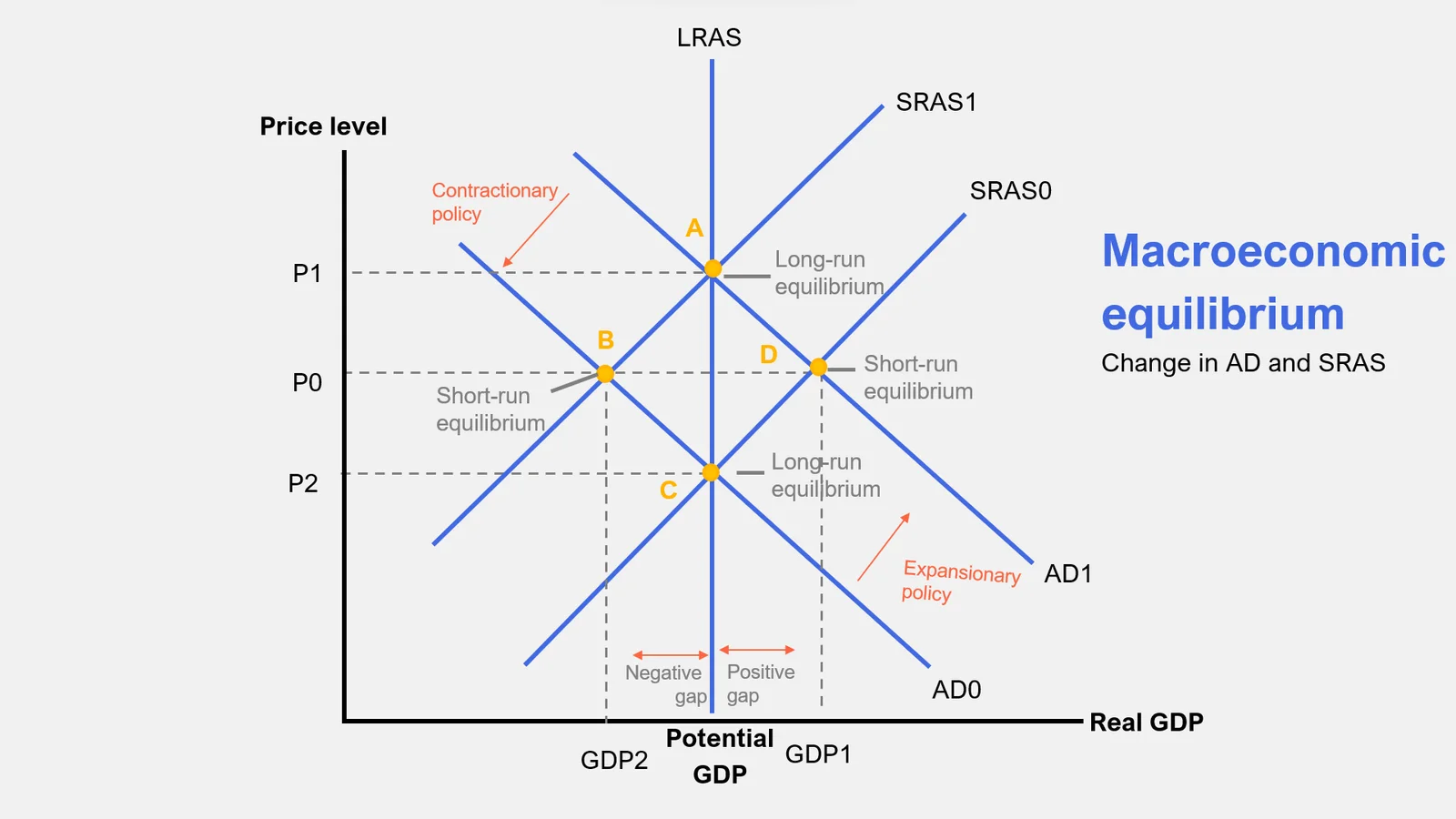
Many governments around the world are adopting new strategies to absorb energy shocks in an effort to protect citizens and the economy from the negative impacts of rising energy prices. These measures come at a time when the global market is experiencing sharp fluctuations, posing significant challenges for countries striving to achieve economic stability.
These strategies include a range of economic and social measures aimed at alleviating the burdens on citizens and ensuring the continuity of economic activity. Among these measures, direct support for households, incentives for affected economic sectors, and enhancing energy consumption efficiency can be included.
Details of the Event
Reports indicate that rising energy prices have significantly impacted many countries, prompting governments to take urgent steps to address this crisis. For example, some countries have reduced fuel taxes, while others have moved to subsidize electricity and gas prices for consumers.
There are also increasing calls to enhance investment in renewable energy sources as a means to reduce dependence on fossil fuels, thereby mitigating the impact of price fluctuations. These efforts are part of a long-term vision aimed at achieving environmental and economic sustainability.
Background & Context
Historically, energy prices have experienced significant fluctuations due to geopolitical crises and changes in supply and demand. For instance, crises in the Middle East have led to sharp increases in oil prices, affecting the economies of consuming nations.
In recent years, with the outbreak of the COVID-19 pandemic, the world witnessed a sharp decline in energy demand, followed by a rapid recovery that led to unprecedented price increases. These dynamics place additional pressures on governments, which are trying to balance protecting citizens and stimulating economic growth.
Impact & Consequences
Failure to take effective measures to address energy shocks could exacerbate economic conditions and increase inflation rates, negatively impacting citizens' purchasing power. Additionally, these conditions could lead to worsening social crises and increased public protests.
Therefore, governments are required to adopt effective and comprehensive policies that ensure citizens are not adversely affected by fluctuations in energy prices. It is essential that these policies are supported by awareness programs aimed at enhancing energy consumption efficiency.
Regional Significance
In the Arab region, where many countries rely on oil and gas exports, energy shocks represent a significant challenge. Oil-producing countries face pressures to maintain stable oil prices, while importing countries suffer from rising energy costs.
This situation requires greater coordination among Arab countries by enhancing cooperation in the energy sector and developing joint projects in renewable energy fields. Additionally, boosting investments in this sector can contribute to achieving long-term economic stability.
In conclusion, strategies to absorb energy shocks are essential for protecting the economy and citizens. It requires concerted efforts between governments, the private sector, and civil society to ensure the desired goals are achieved.