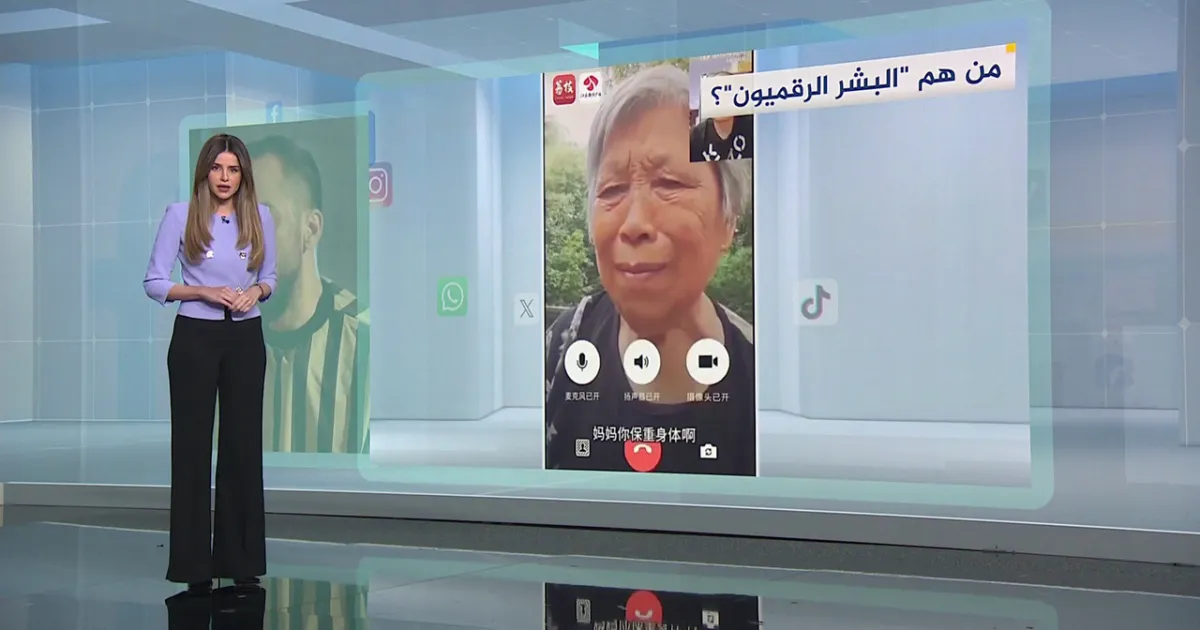
The digital resurrection technology is considered one of the most controversial innovations of modern times, touching on the feelings of sadness and loss experienced by individuals. This technology relies on artificial intelligence to create digital replicas capable of interacting with the voice and image of the deceased, raising questions about its psychological impact on the living.
Companies gather a range of materials related to the deceased, such as photos, videos, and audio recordings, to train an AI model that accurately reproduces the personality of the deceased. These companies claim to offer a digital companion that can help individuals cope with the trauma of loss, providing them with psychological comfort.
Details of the Technology
As the demand for this technology increases, especially in China, authorities there have begun enacting laws aimed at regulating its use. These laws include clear guidelines for labeling AI-generated content and prohibiting the replication of images and voices of individuals without their consent, in addition to banning the use of this technology for political purposes.
This debate is not limited to the legal aspect; it also encompasses concerns about psychological manipulation and the exploitation of the deceased's data. Many wonder whether this technology will help alleviate grief or prolong the painful attachment to memories.
Background & Context
This technology is part of the rapid advancements in the field of artificial intelligence, which has seen significant progress in recent years. However, the use of AI in sensitive areas such as death and loss raises numerous ethical questions. How might this technology affect human relationships? What boundaries should be established when dealing with the memories of deceased individuals?
Historically, there have been previous attempts to revive memories, but they lacked the precision and interactivity provided by modern technologies. This development opens the door to broader discussions about how to handle loss and death in the digital age.
Impact & Consequences
The potential implications of using this technology could be far-reaching. On one hand, it may provide hope and comfort to many people suffering from the loss of loved ones. On the other hand, it could lead to negative emotions such as depression or excessive attachment to digital memories.
There are also concerns that this technology could be exploited for commercial purposes, potentially turning grief into a business. This situation necessitates the establishment of a legal and ethical framework governing the use of this technology to ensure that individuals' emotions are not exploited.
Regional Significance
In the Arab region, this technology may provoke similar debates, as communities suffer from the loss of loved ones due to conflicts and wars. Some may find this technology a means to cope with grief, while others may view it as a violation of the memories of the deceased.
The discussion surrounding this technology reflects the challenges societies face in dealing with loss and raises questions about how to preserve memories in a way that respects individuals' feelings.